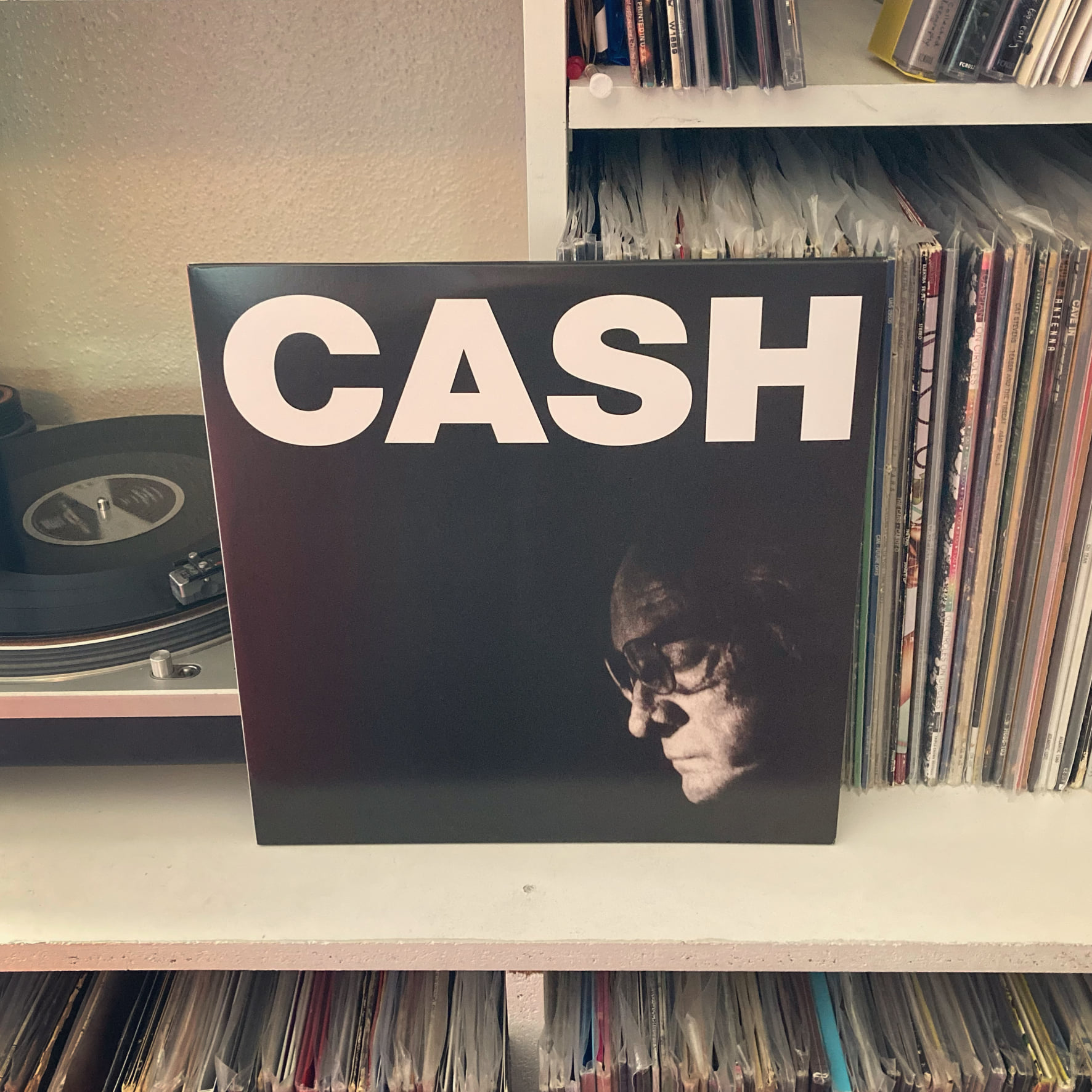
 There are precious few figures in pop music history who can truly be called Icons: singular performers who are without peer. Artists like David Bowie, The Beatles, or Miles Davis, whose legacies overshadow all contemporaries and transcend generations.
There is no mistaking that Johnny Cash is one of these artists. But one of the biggest reasons his legacy survived as well as it did was his late-career partnership with producer Rick Rubin, who cut his teeth working with hip hop and metal acts like the Beastie Boys, Public Enemy, and Slayer. On paper, the two seem like the strangest bedfellows you could put together. But throughout the American Recordings series, Rubin demonstrated a keen instinct for bringing Cash’s ragged performances to life.
While all of the albums released in the series are littered with gems, none are quite as packed as The Man Comes Around, the final album Cash would release before his death.
 In the twenty-five years since the release of
 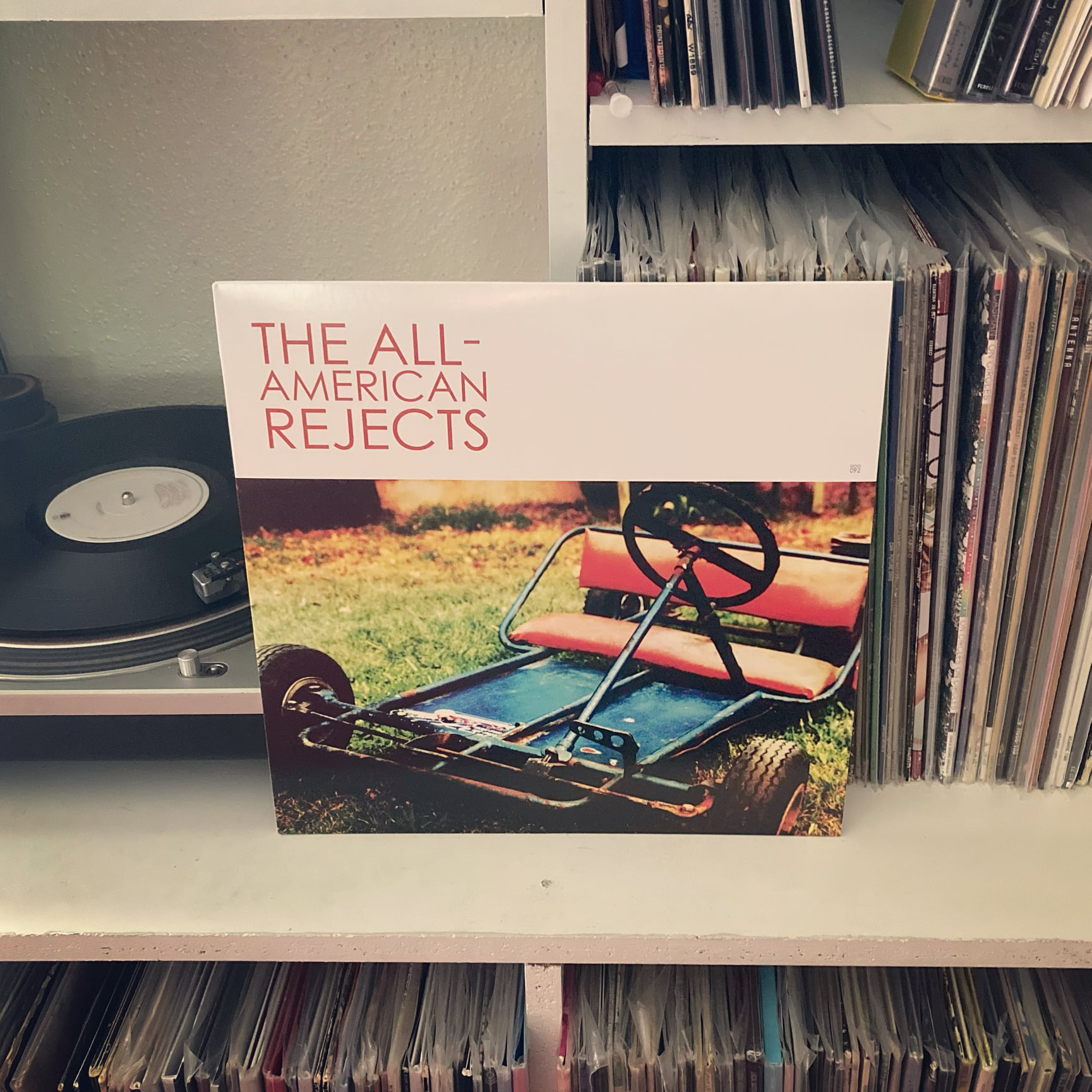 In 2002-2003, I was a sixteen-year-old emo kid who discovered all my music through scouring message boards, cross-referencing the thank yous in CD liner notes, or watching hours of Fuse TV. I was ingesting a healthy diet of Thrice, Sunny Day Real Estate, Fugazi, pre-hiatus Weezer, Zao, and the like.
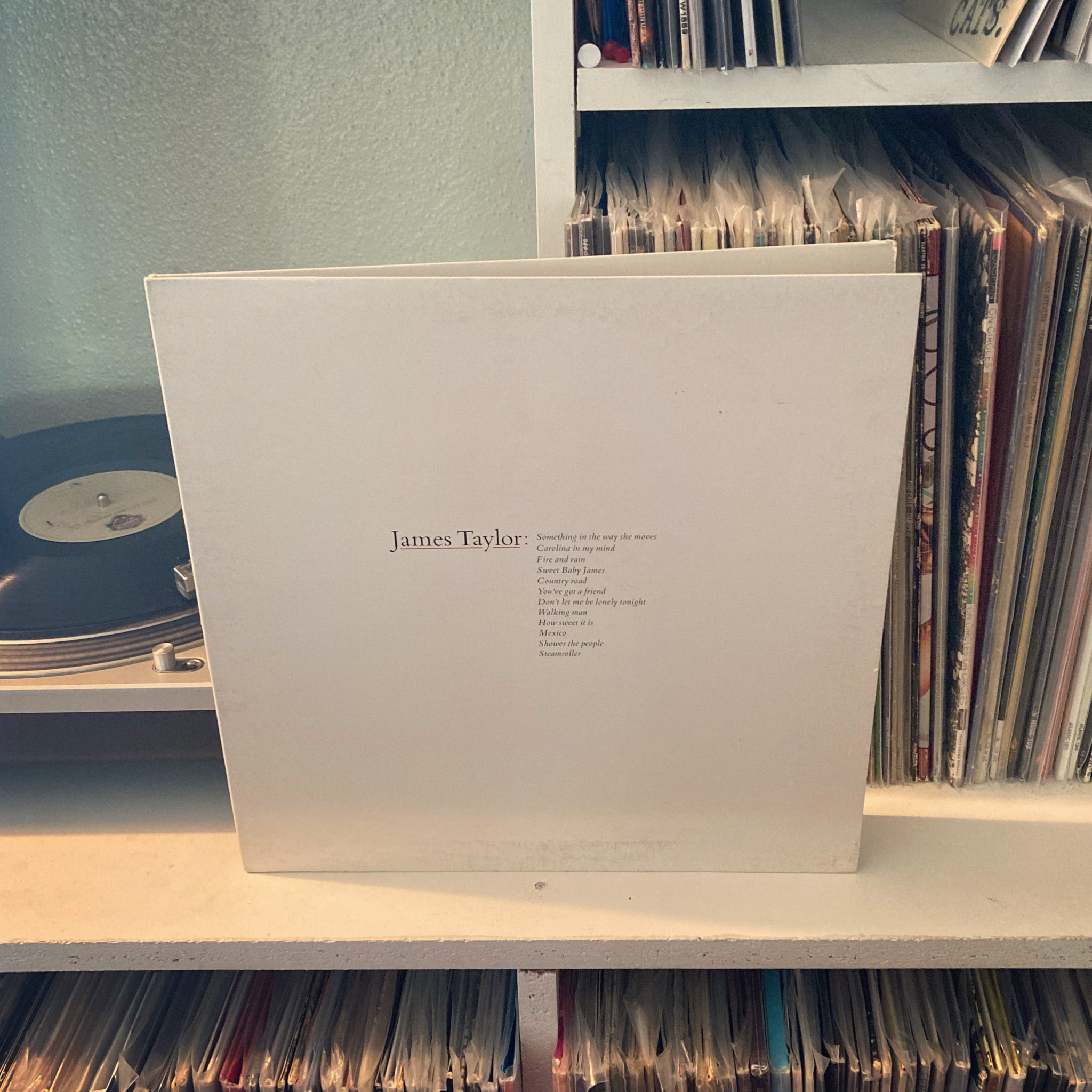
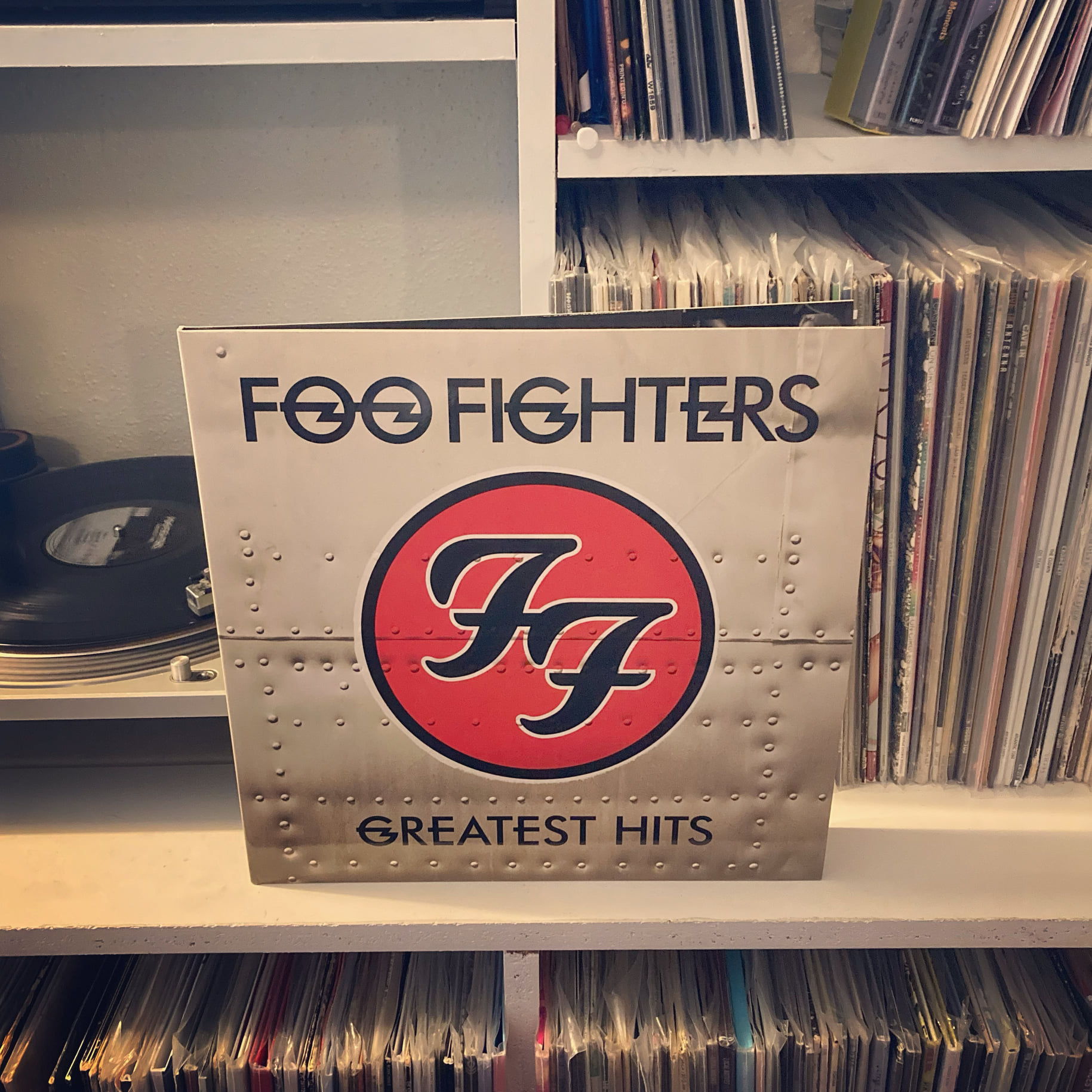 There are two things that I generally don’t care about at all: radio rock and greatest hits compilations.
 For a certain subset of music fans within a certain age, there are few bands as important as The Chariot. For former scene kids who put their girl jeans through their paces two-stepping in the church gym or muddied in the mosh pits of Cornerstone Music Festival, The Chariot represents the absolute epitome of mid-2000s Christcore.
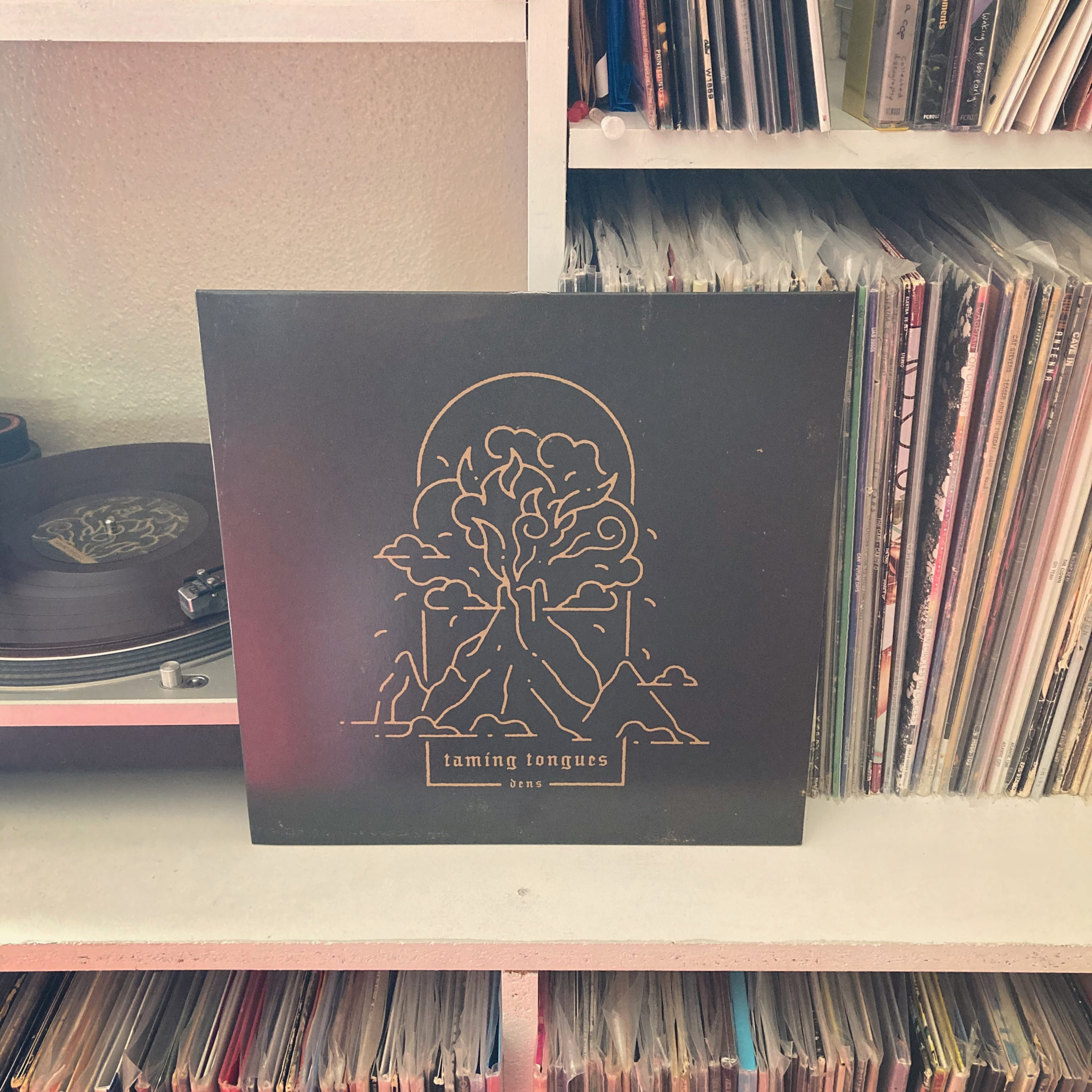 Over the last few years of attending, playing, and even organizing vaguely “Christian” music festivals, I have come to a deep appreciation of Facedown Records—home of such excellent bands as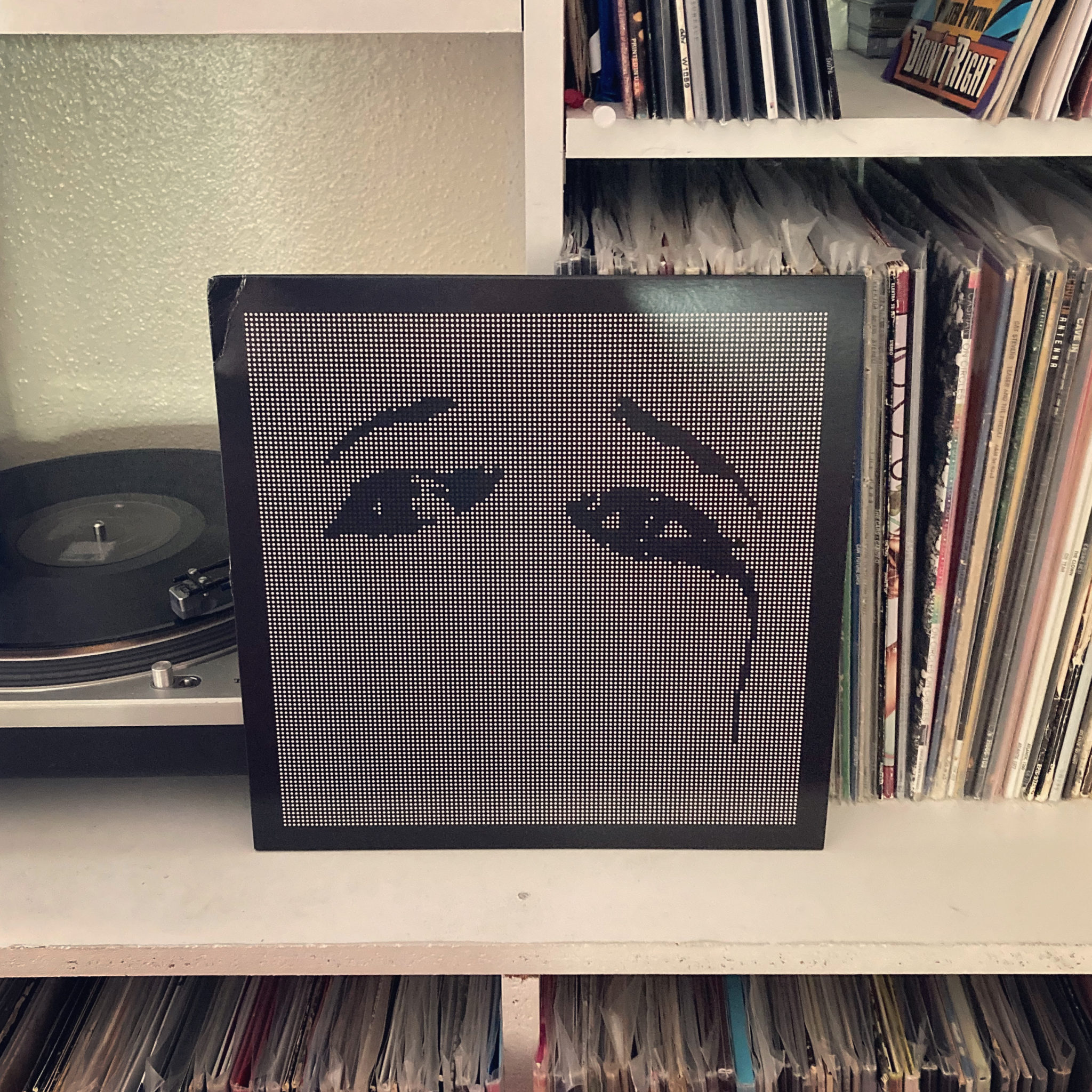
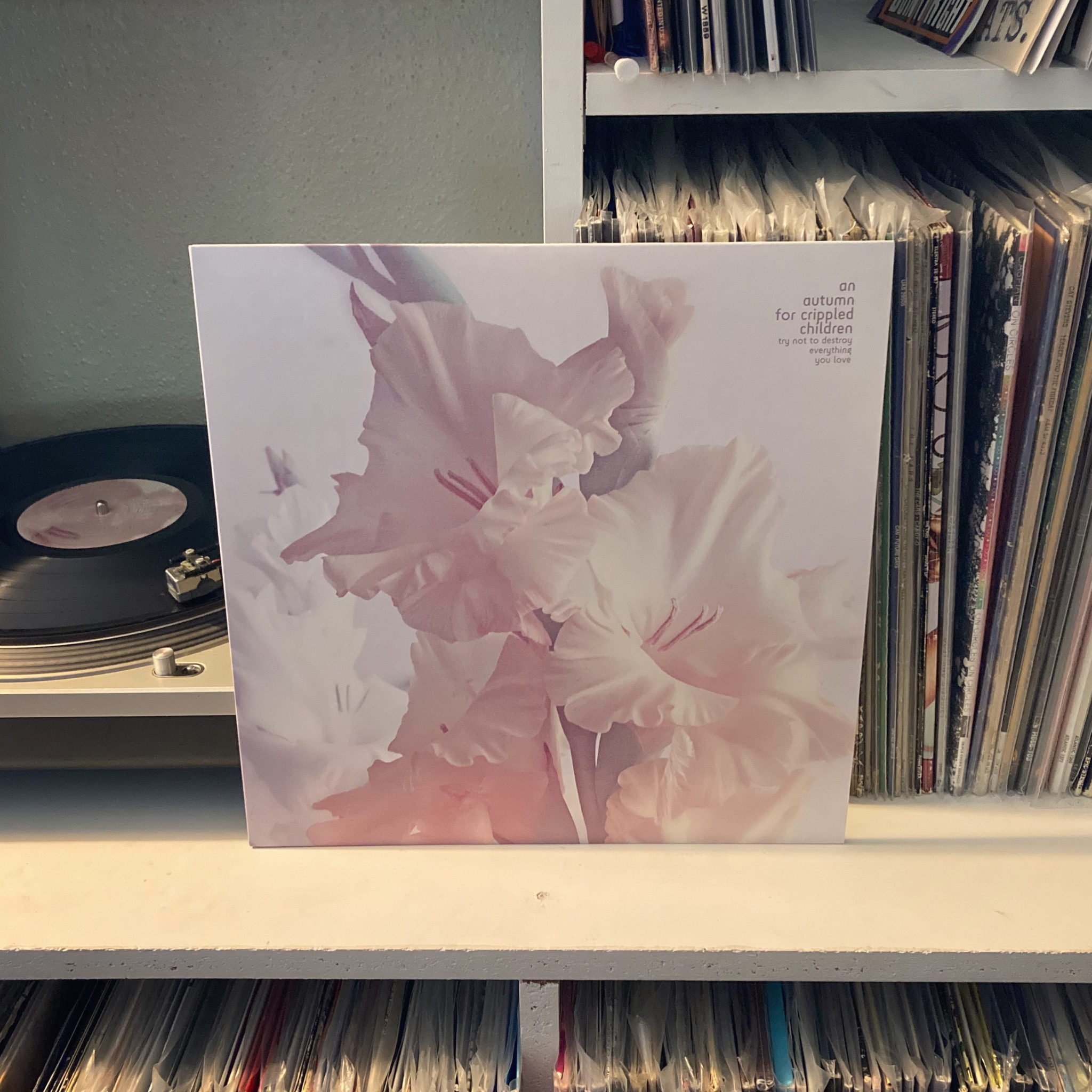
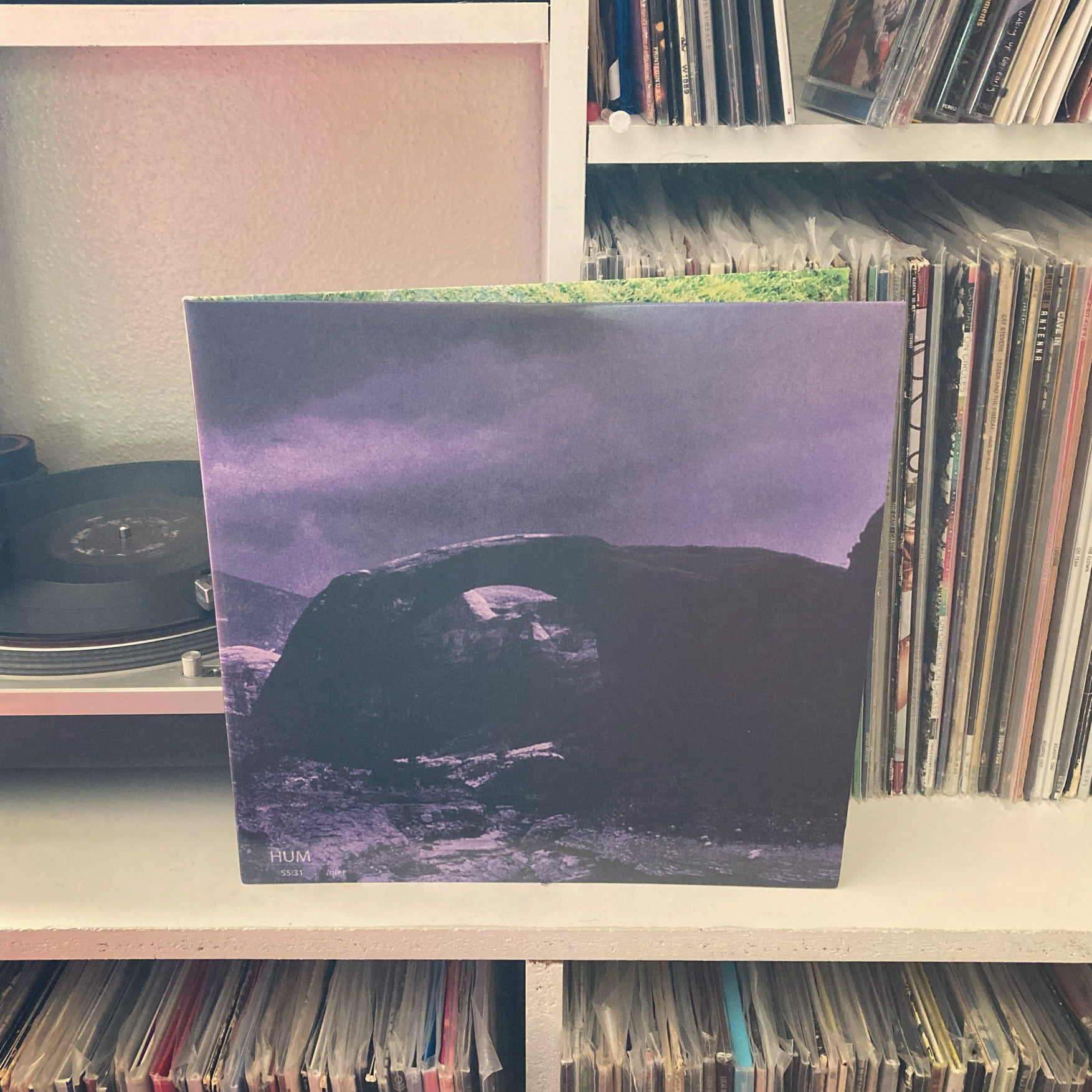
 As diverse as my tastes are, I often find myself gravitating towards music that is either atmospheric, experimental, or heavy.