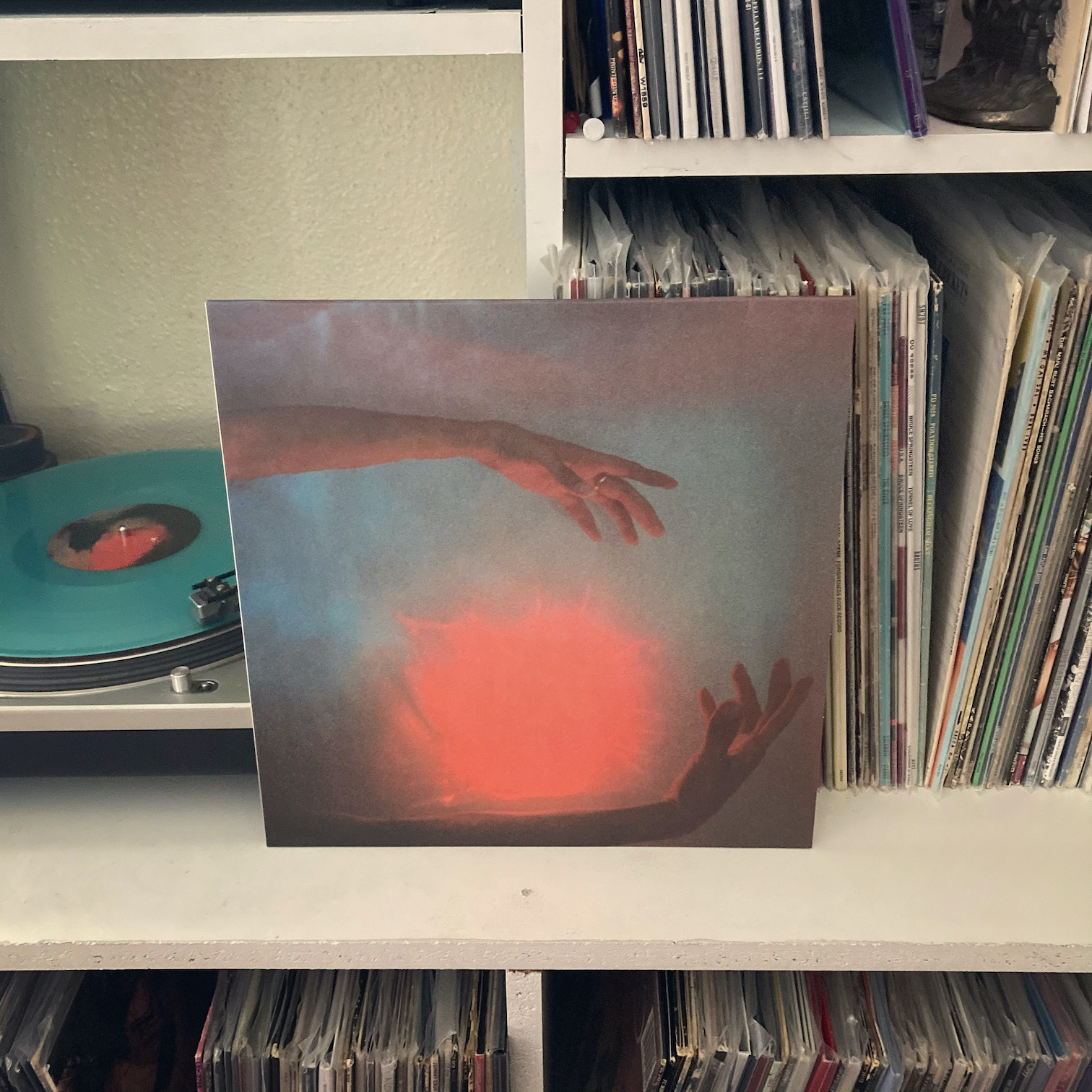
 I have a working theory I’ve been testing the last few years. The premise is essentially that to the average layperson, their entire listening experience is driven by the vocals. Future Islands is essentially a good new wave/synthpop band, but many listeners suggest they defy labelling based on the deep, throaty growl of Samuel Herring. My own band—a heavy shoegaze/post rock outfit—is compared to Kings of Leon because my voice has a gritty, rock timbre. I’ve also heard a spacey garage rock band compared to Aretha Franklin because the singer was a black woman.
By the same token, consider Boneflower: a Spanish band that utilizes effects-heavy guitars, shifting drum rhythms, and grand instrumental compositions. Strip the vocals from it, and it could probably land somewhere near post rock (though admittedly a bit more aggressive than your typical post rock fare). Their own Bandcamp page uses the tags “alternative, post hardcore, post rock.
And yet, due to the techniques utilized by the lead singer, they are dubbed “screamo” but just about everyone who writes about them.
 I’ve told the story before of buying
  When I reviewed Circus Trees’ debut EP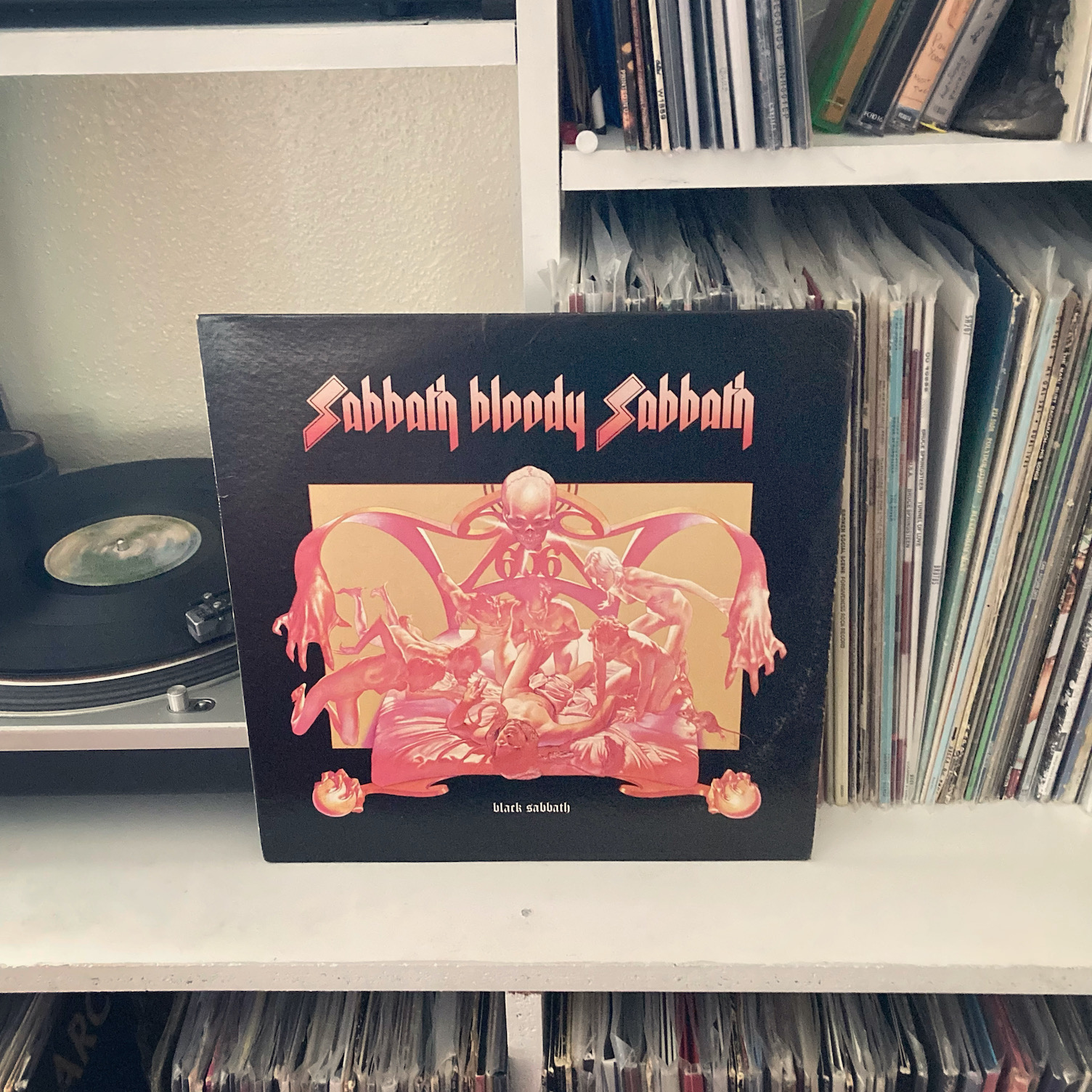
 I started 2020 with the realization that
  Speaking of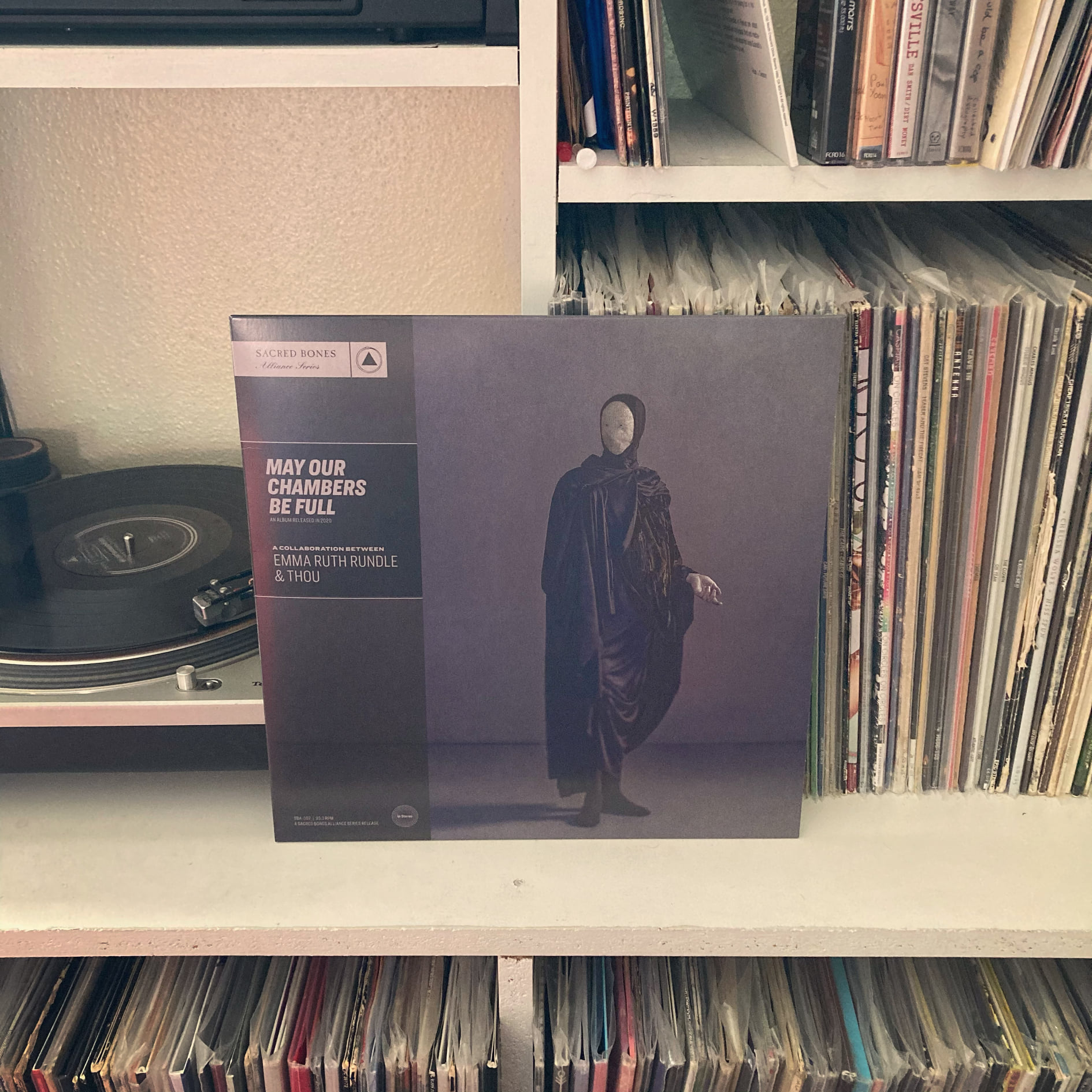
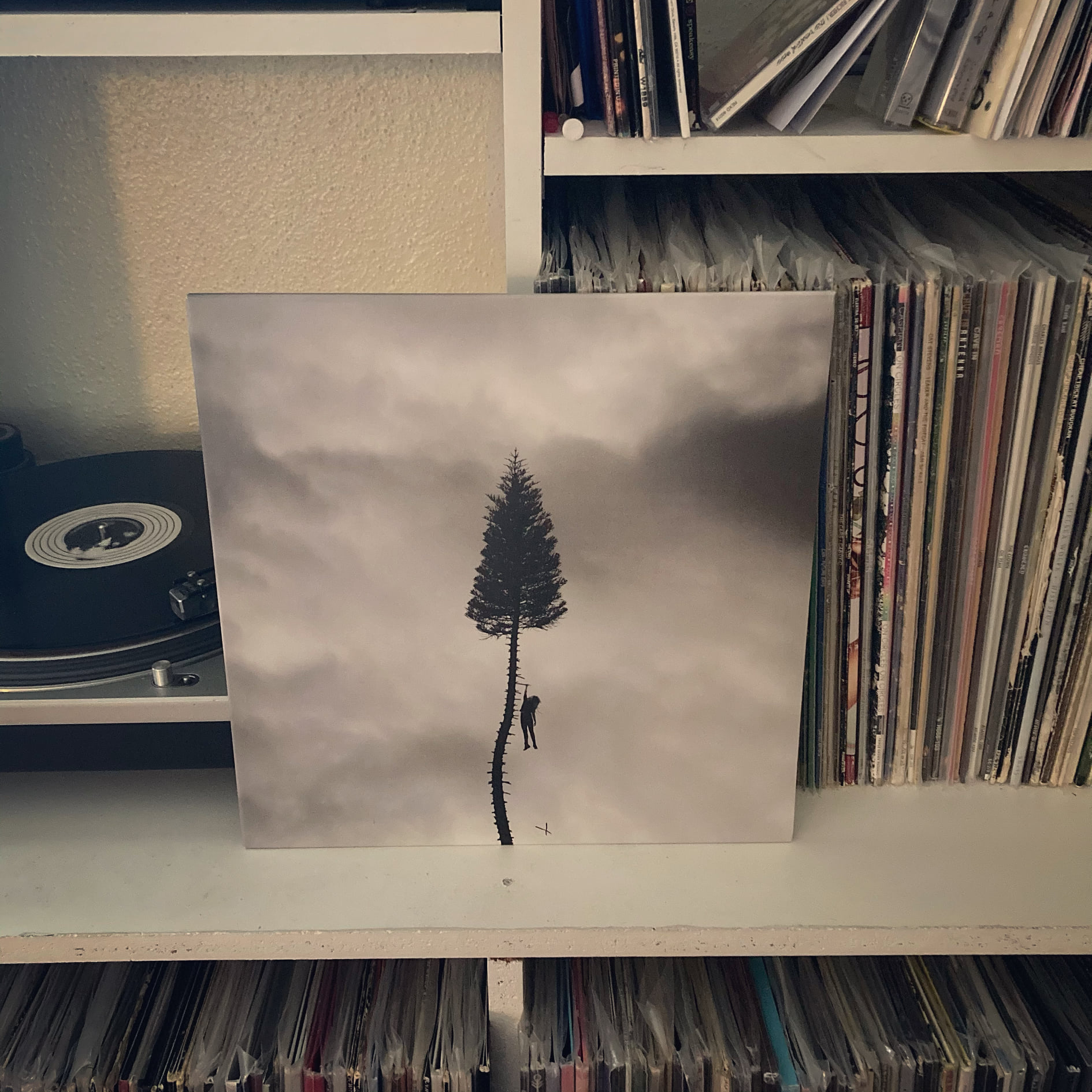
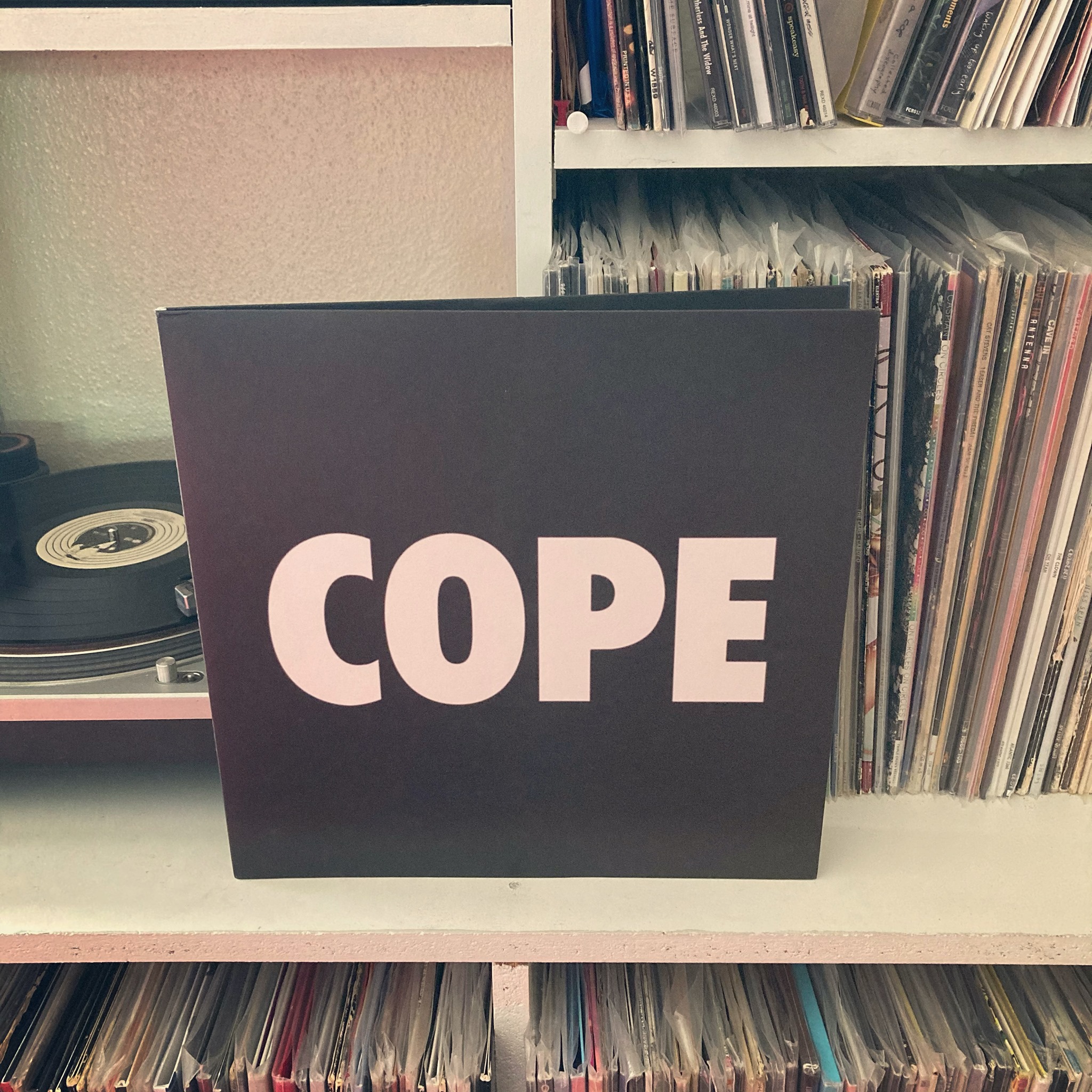 A few months ago, I realized that despite years of guest features, tours with bands I love, and general cultural osmosis, I had never actually knowingly listened to Manchester Orchestra.
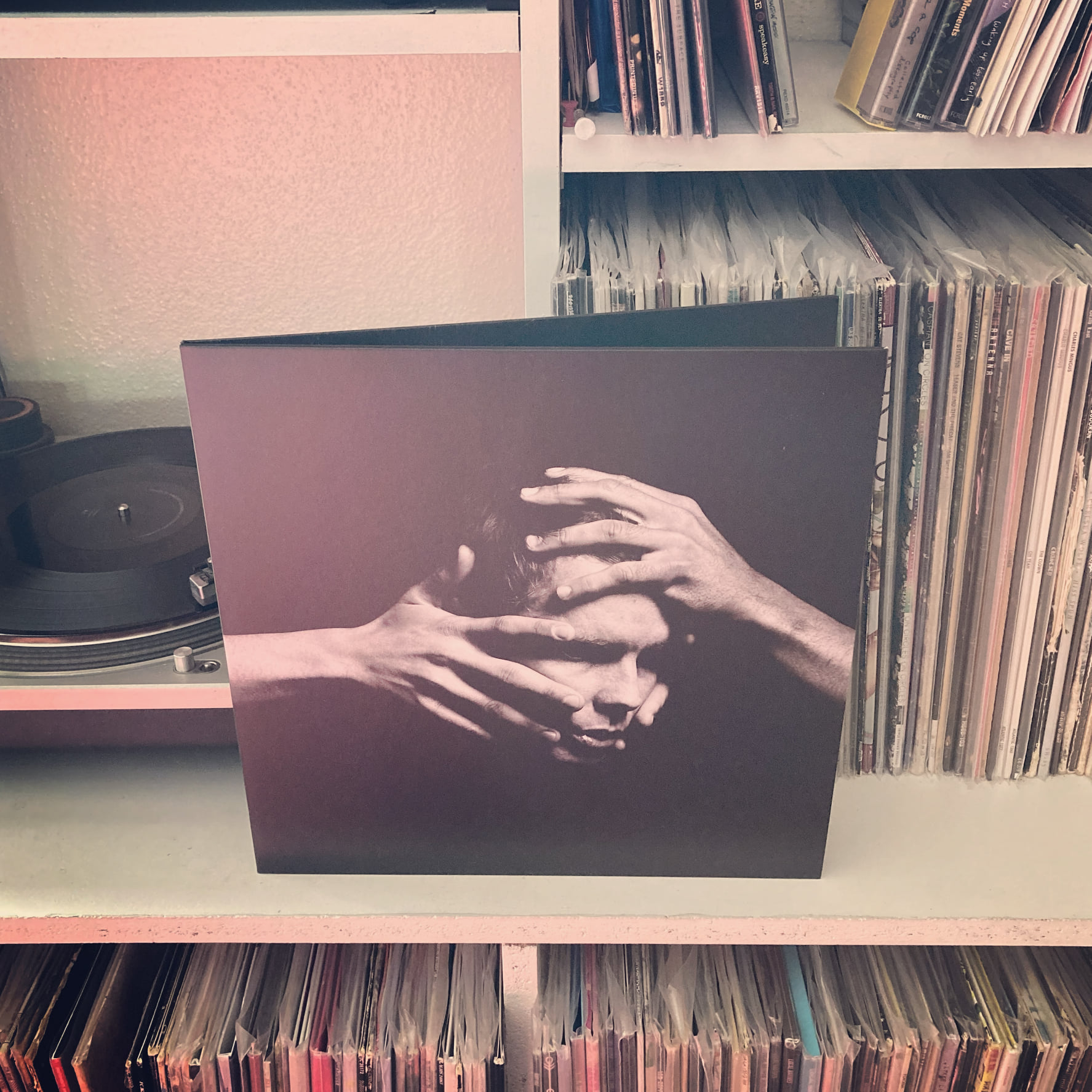 For the last twenty-three years, Sigur Rós frontman Jón Þór Birgisson, better known as simply Jónsi, has traversed the deepest nearly every span of the human experience, from the glacial joy of Agaetis Byrjun to the isolated chill of Valtari to the dense grief of Kveikur to the bounding, pastoral joy of Með suð í eyrum við spilum endalaust. And that’s all without mentioning Sigur Rós’ more abstract works or the work of Jónsi & Alex, his ambient collaboration with his partner.