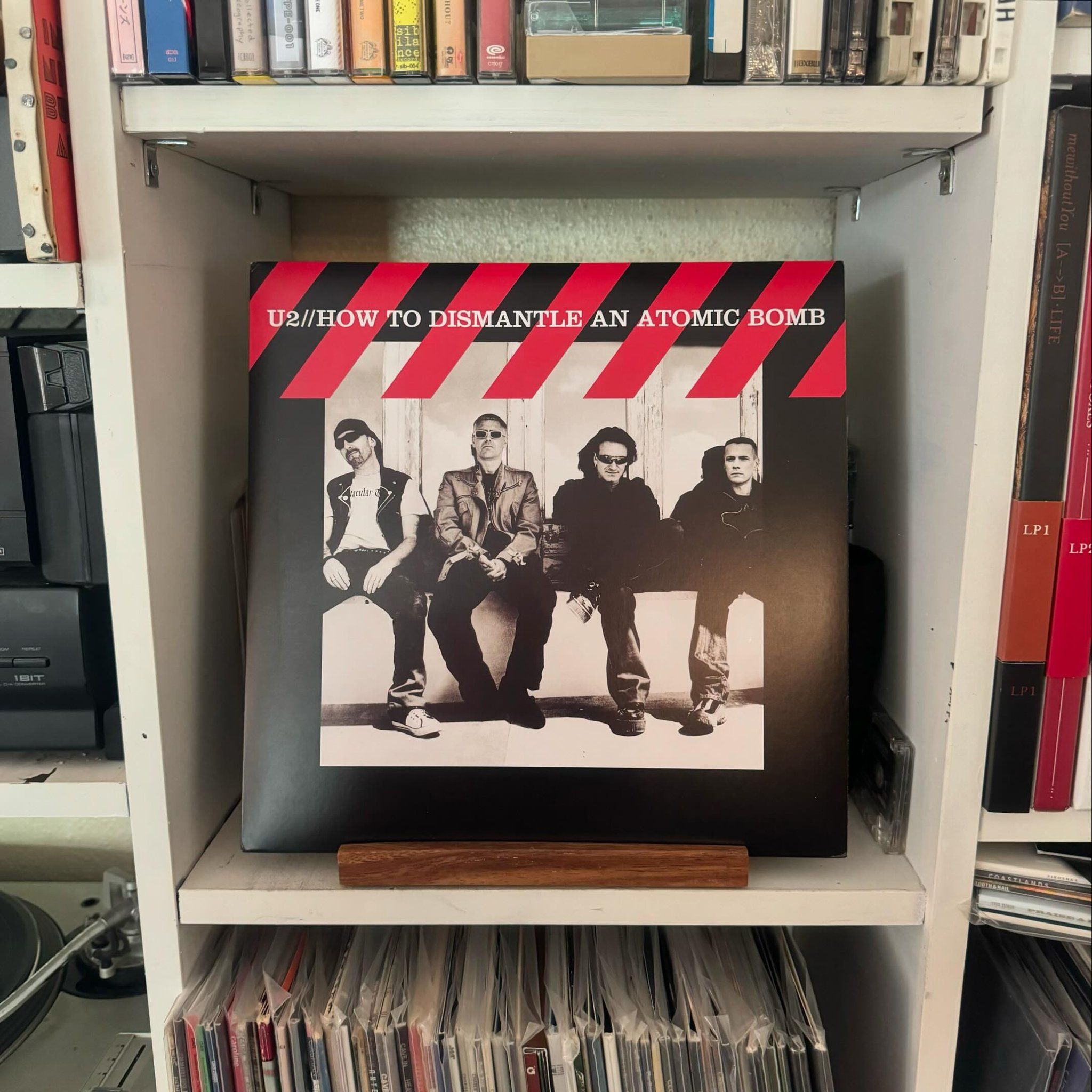
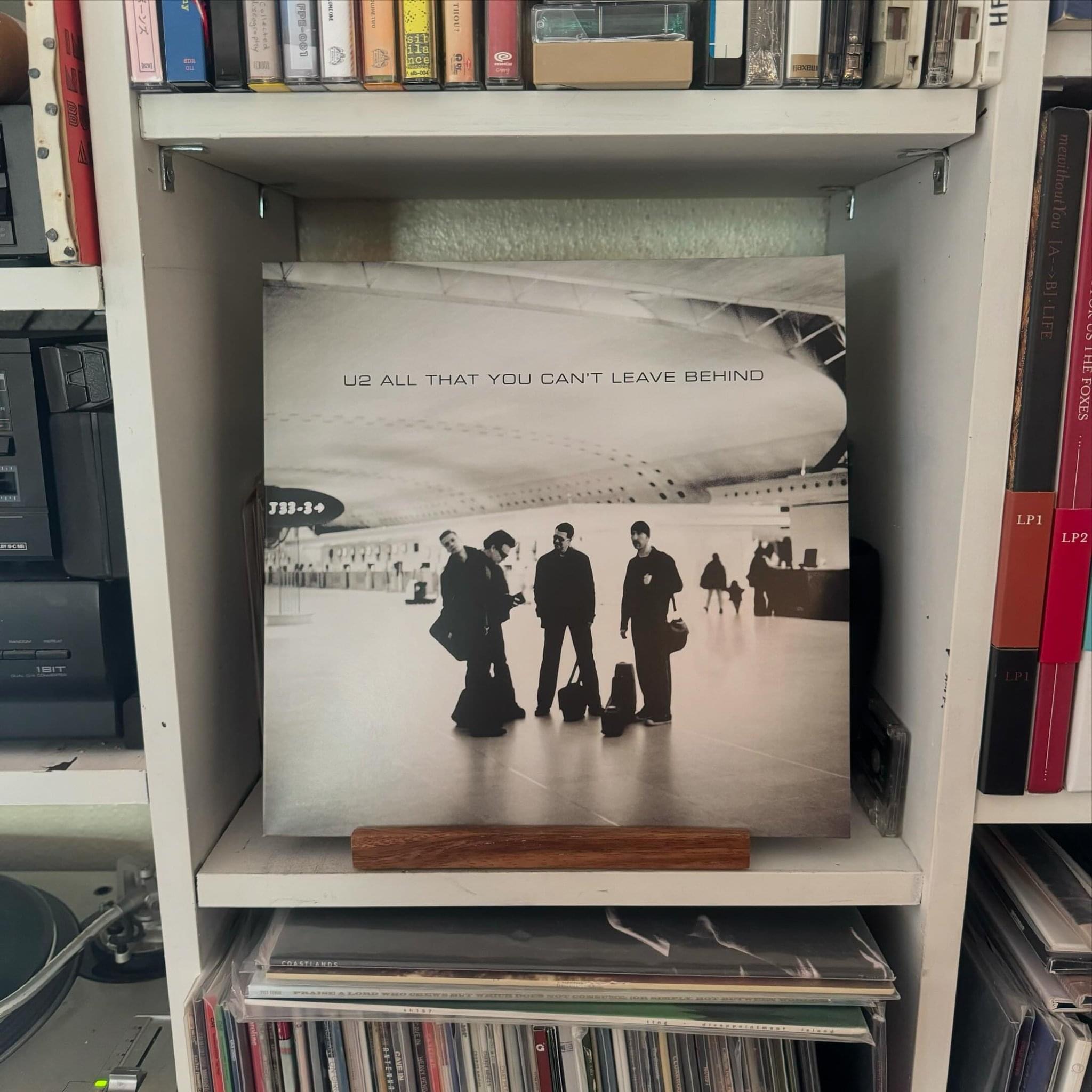
After the success of 2000’s All That You Can’t Leave Behind, something funny happened. Namely, the Rock Revival, led by bands like The Strokes, Interpol, The Killers, and other students of the early 80s post-punk scene.
U2, themselves members of that original class, looked at the rise of these acts, then back at themselves, and sorta said, “didn’t we used to do that?” They then called up Steve Lillywhite, who produced their first three records, and set off to work on what Bono called “our first rock record,” a statement that’s probably rooted more in self-deprecation than accuracy.
In either case, it worked. It was an immediate commercial success, beloved by critics, and netted the group eight Grammys, as well as a few indelible hits. That said, it’s bogged down by some of the same self-consciousness of its predecessor, even if it is a bit more consistent.
 “We are re-applying for the job of the best band in the world.”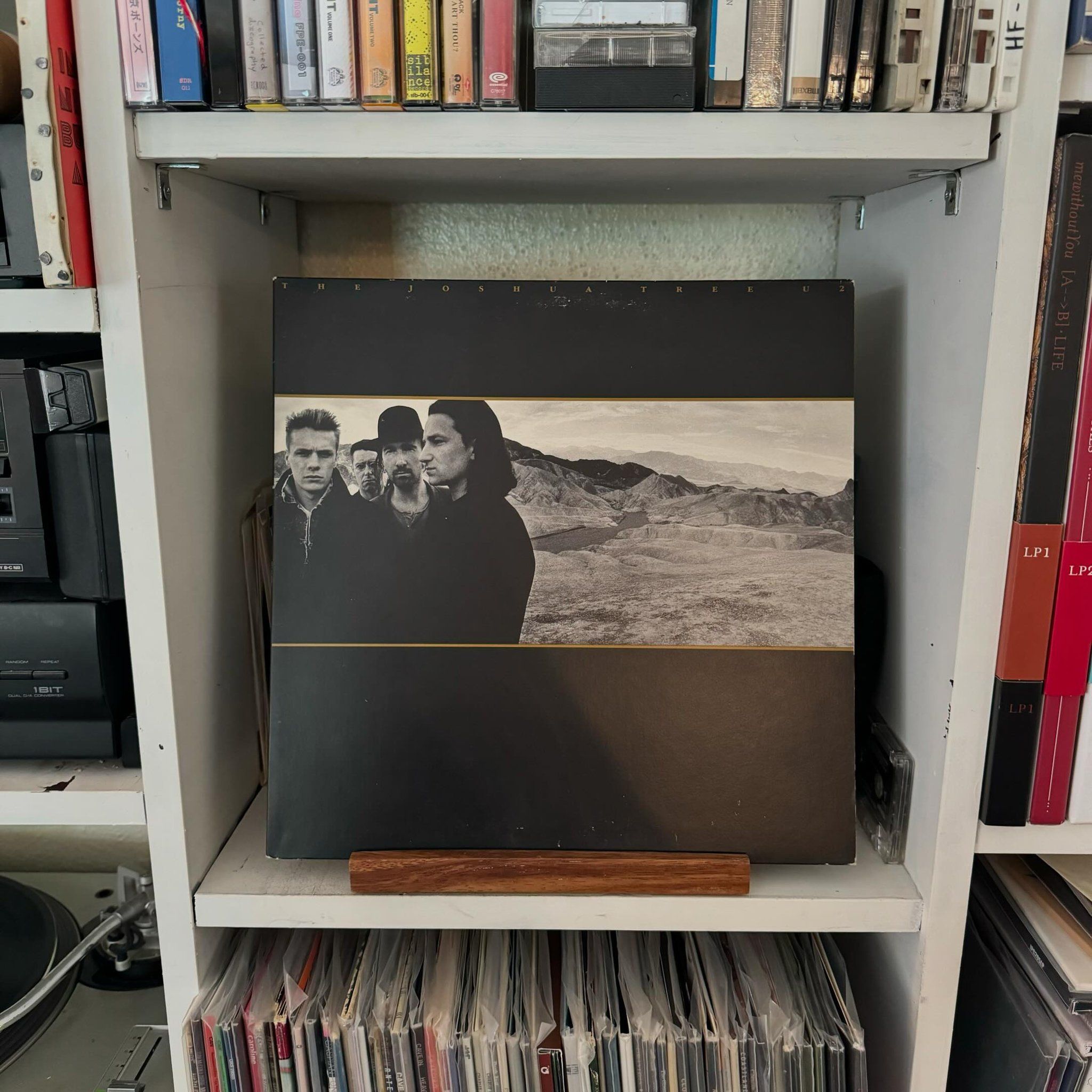
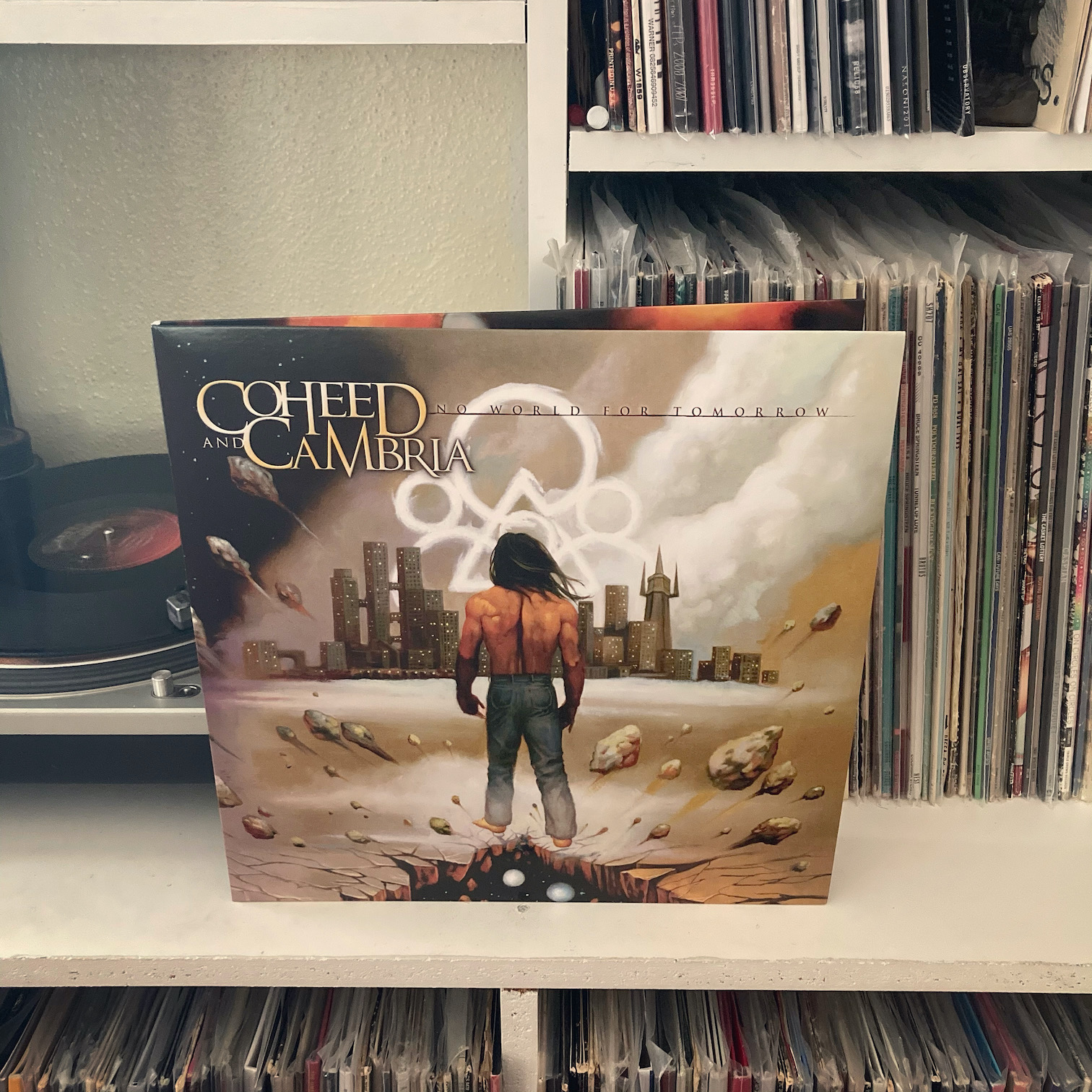 Coheed & Cambria attracts a lot of criticism for their… whole deal. Sci-fi prog rock concept albums based on a comic book written by the lead singer who then sings about genetic wars and space armadas in an androgynous elf voice isn’t exactly a recipe for mainstream success. But at their best, Coheed has a gift for wrapping these weirder elements up in sugary sweet pop hooks and classic rock tropes.
 Every so often, someone will suggest a record for me to review. I always tell them the same thing: on this blog, I only review albums