
In which a Canadian teenybopper pop star turns into an eldritch demigod.
It’s always funny to me when the Rock and Roll Boys’ Club reacts to the rise of some young female rocker with upturned noses (see: Avril Lavigne, Olivia Rodrigo, Michelle Branch, Billie Eilish, etc) when one of the greatest rock albums of all time was released by the quintessential rock ingénue. For as much as rock music postures itself as a man’s world, in 1995 Alanis Morissette (then twenty-one) laced up her Doc Martins and went toe-to-toe with the entire alt-rock landscape.
Nearly thirty years later, Jagged Little Pill remains as fierce and apocalyptic as ever. It’s a breakup album in the form of a military strike, offering proof to the old proverb that Hell hath no fury quite like this.
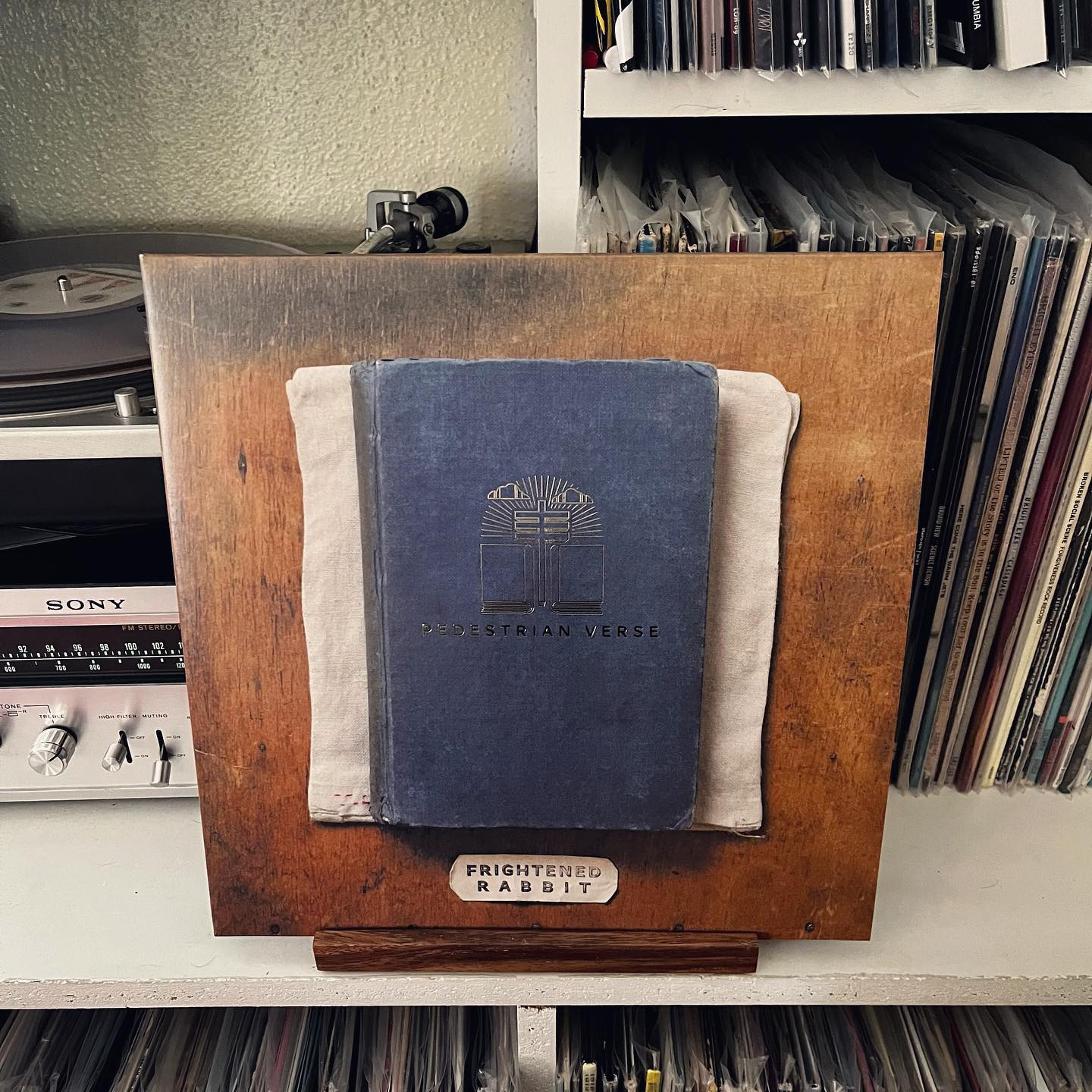
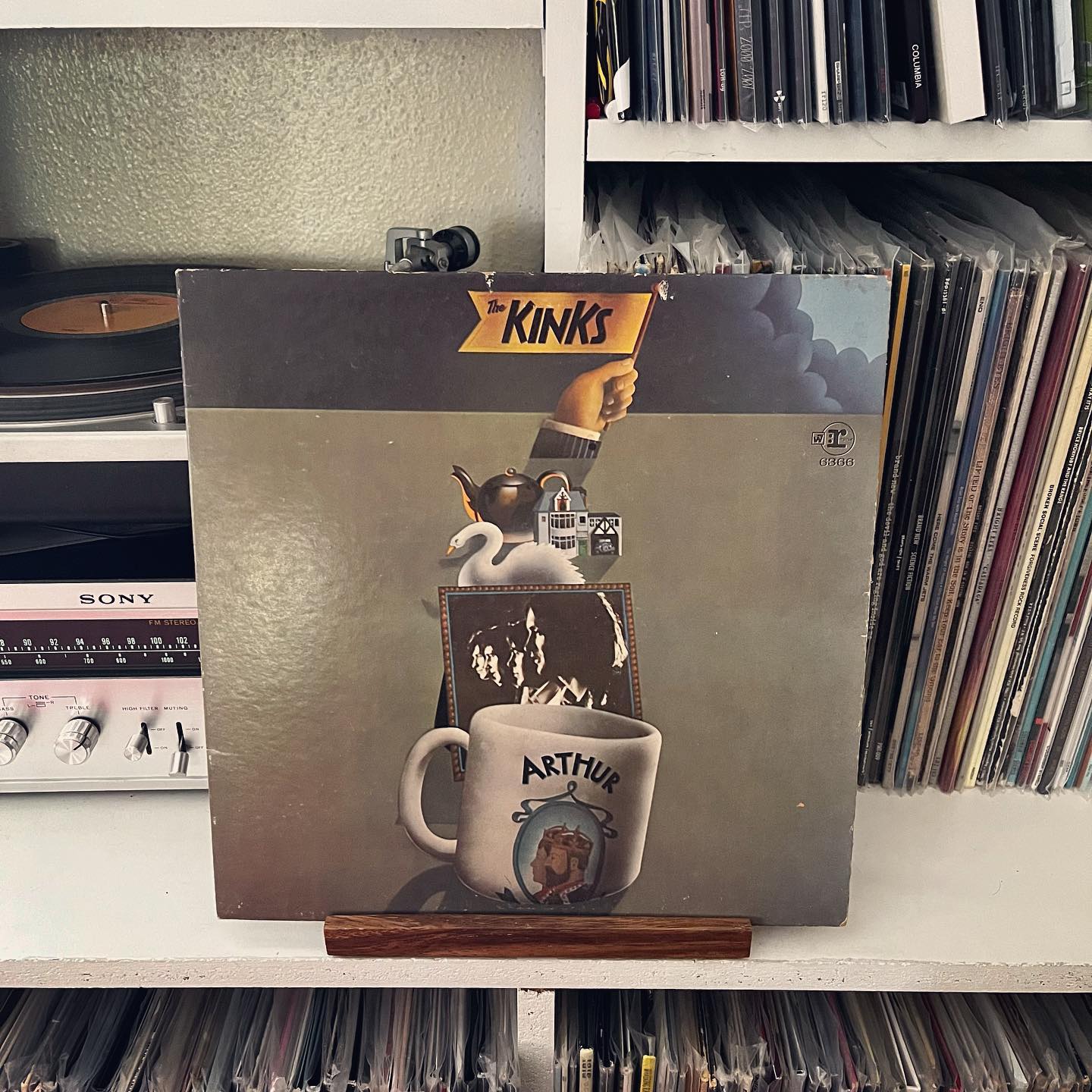
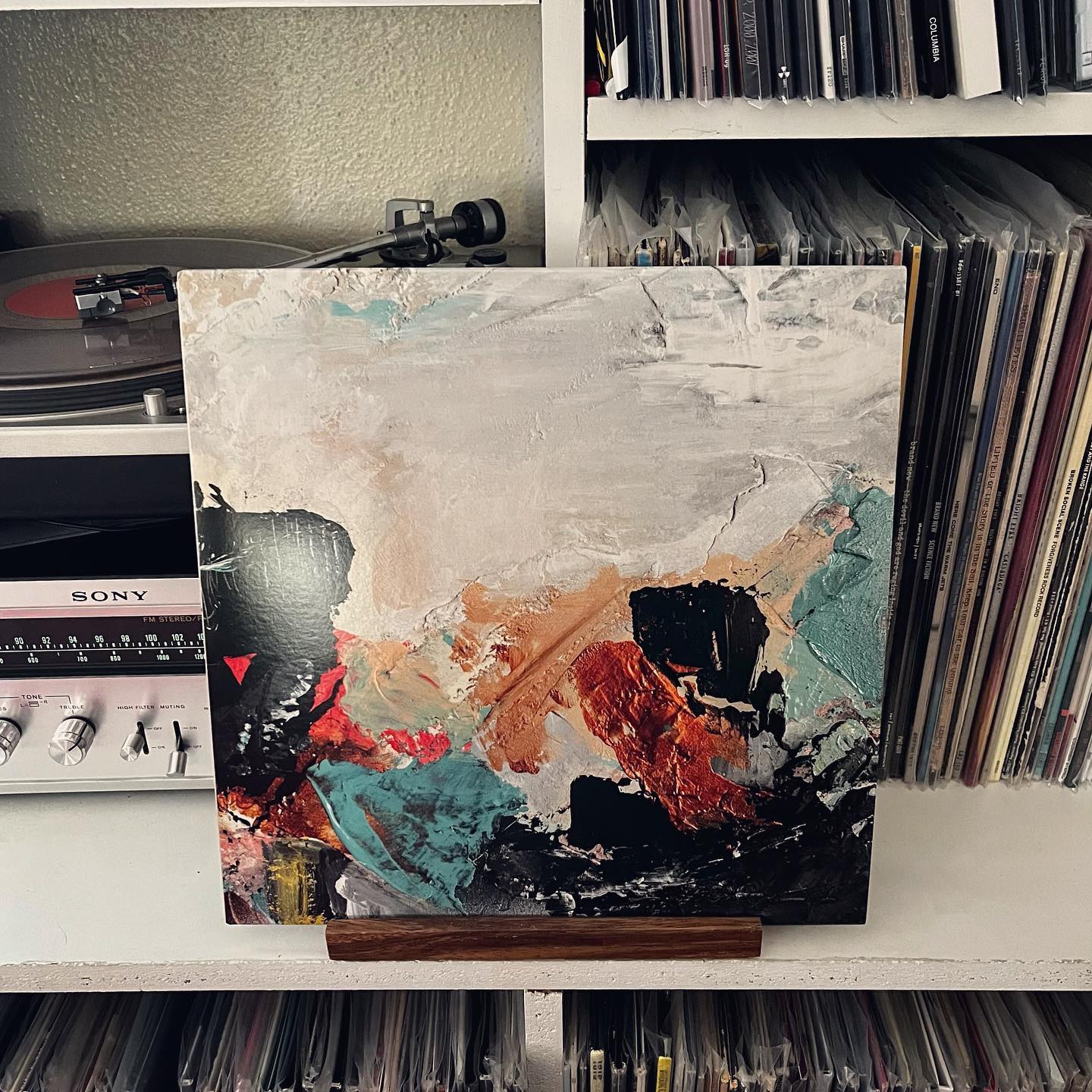
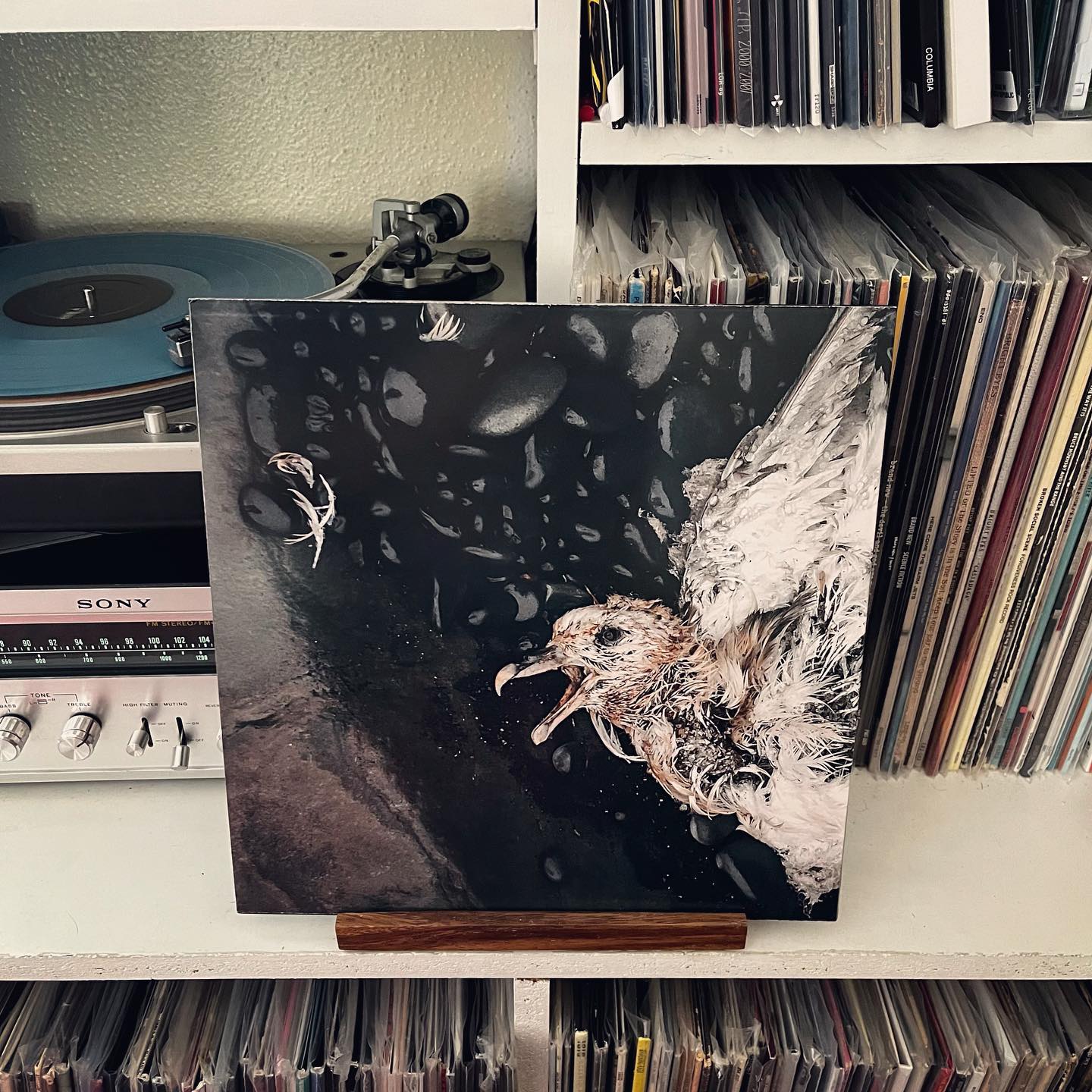
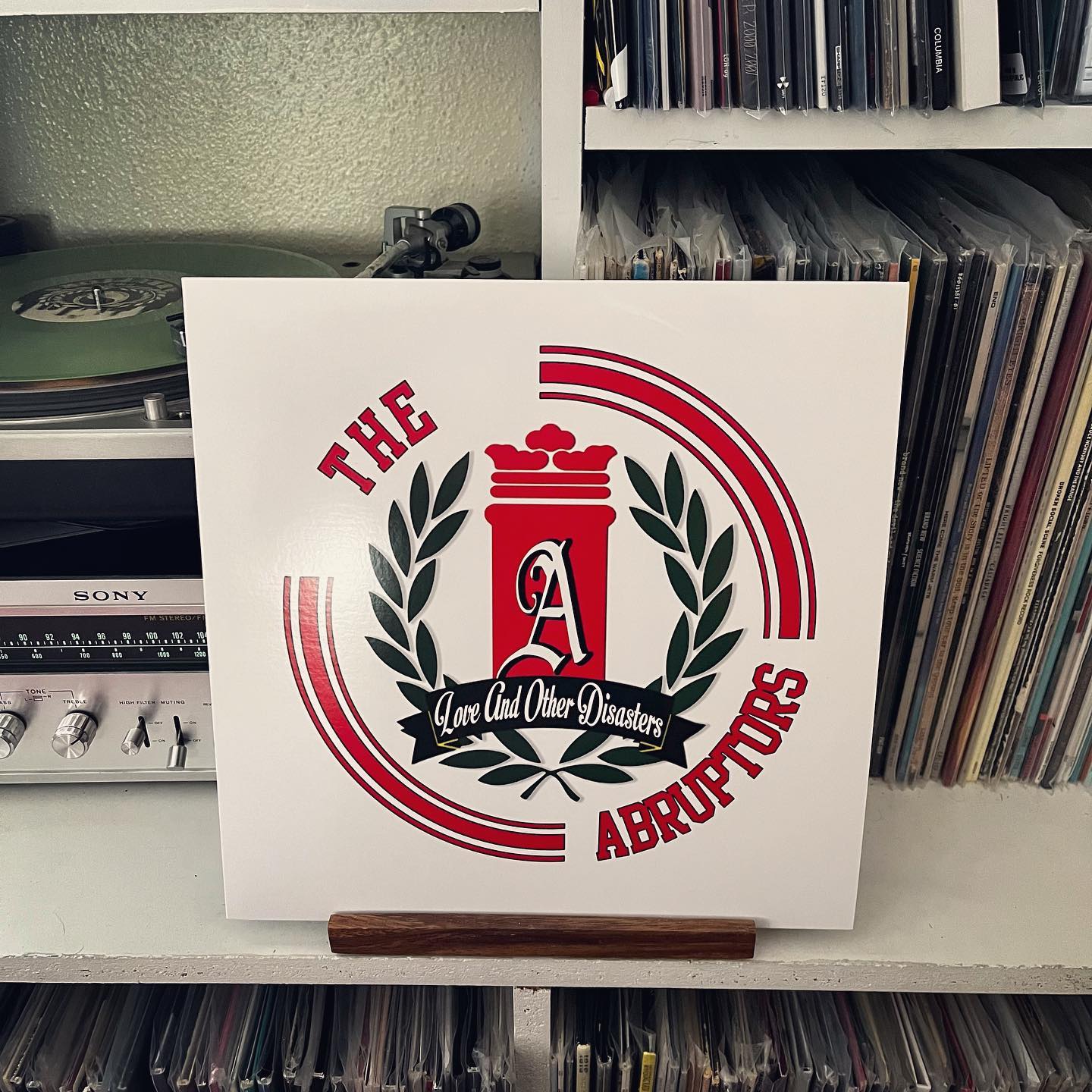
 As the ancient Greek philosopher Heraclitus once said, “Change is the only constant in life.” He probably wasn’t talking about the artistic trajectory of musicians, but it’s certainly applicable. Every artist’s career is destined to change—whether by the continued growth of experimentation or the stagnation from repeating once-fresh formulas until they decay. And as artists change, their fans also change, and often in different directions. It seems to me that many fans usually follow an artist for three albums before they each move beyond one another.
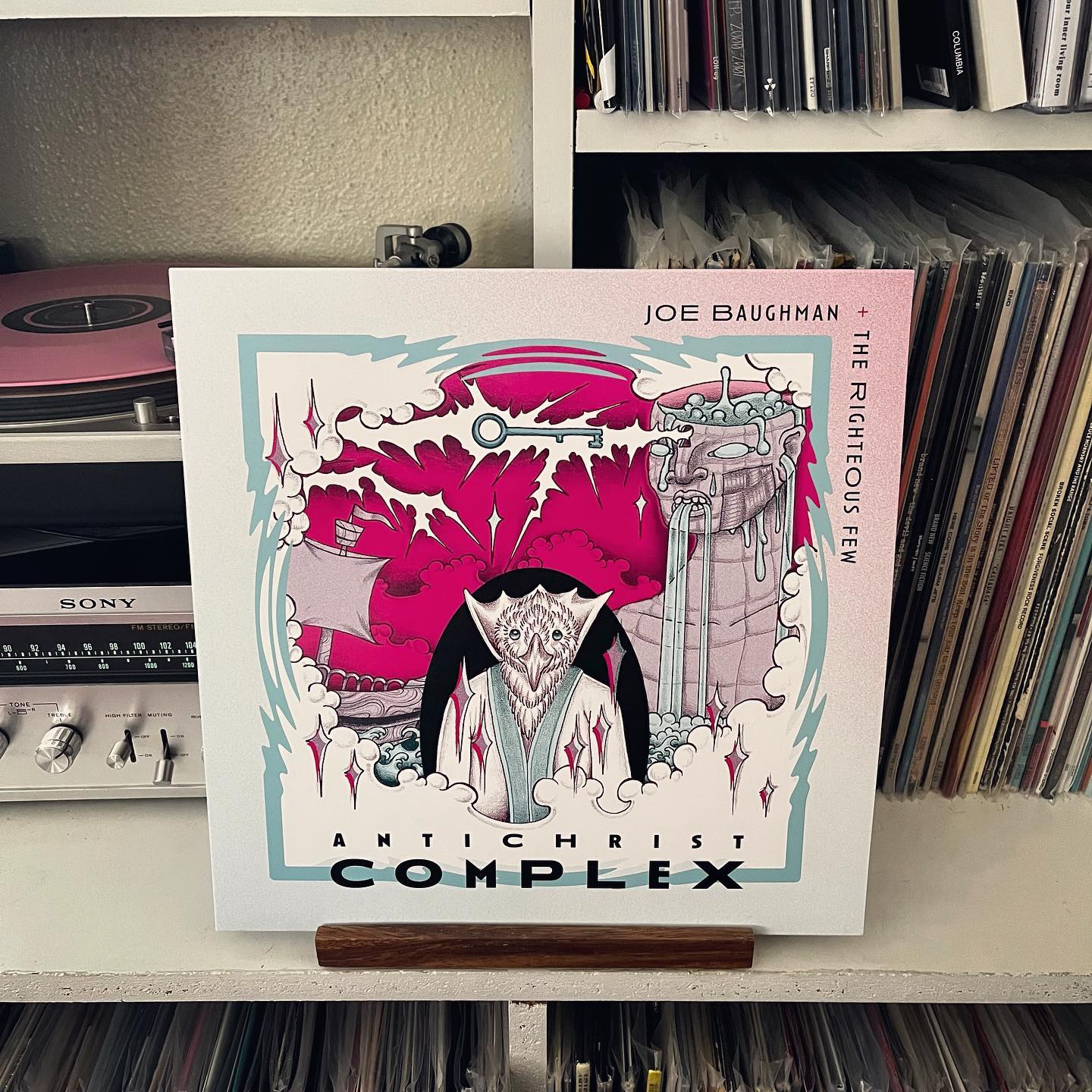 I’ve spent much of my life trying to fight the idea that the “local” in “local bands” is a polite way of saying “bad.” After all, if they were any good, wouldn’t they have graduated from being local bands, right? We all know the universe unilaterally reward talent with notoriety to a proportional degree, right? Obviously, we know that’s absurd, but the idea persists.
 Mount Eerie is one of those bands that I’ve mostly known just by reputation. For years, I’ve heard the name of Phil Elverum’s project thrown around alongside acts like Bon Iver, The Antlers, Sun Kil Moon, and other songwriters offering emotional devastation to hushed instrumentation.