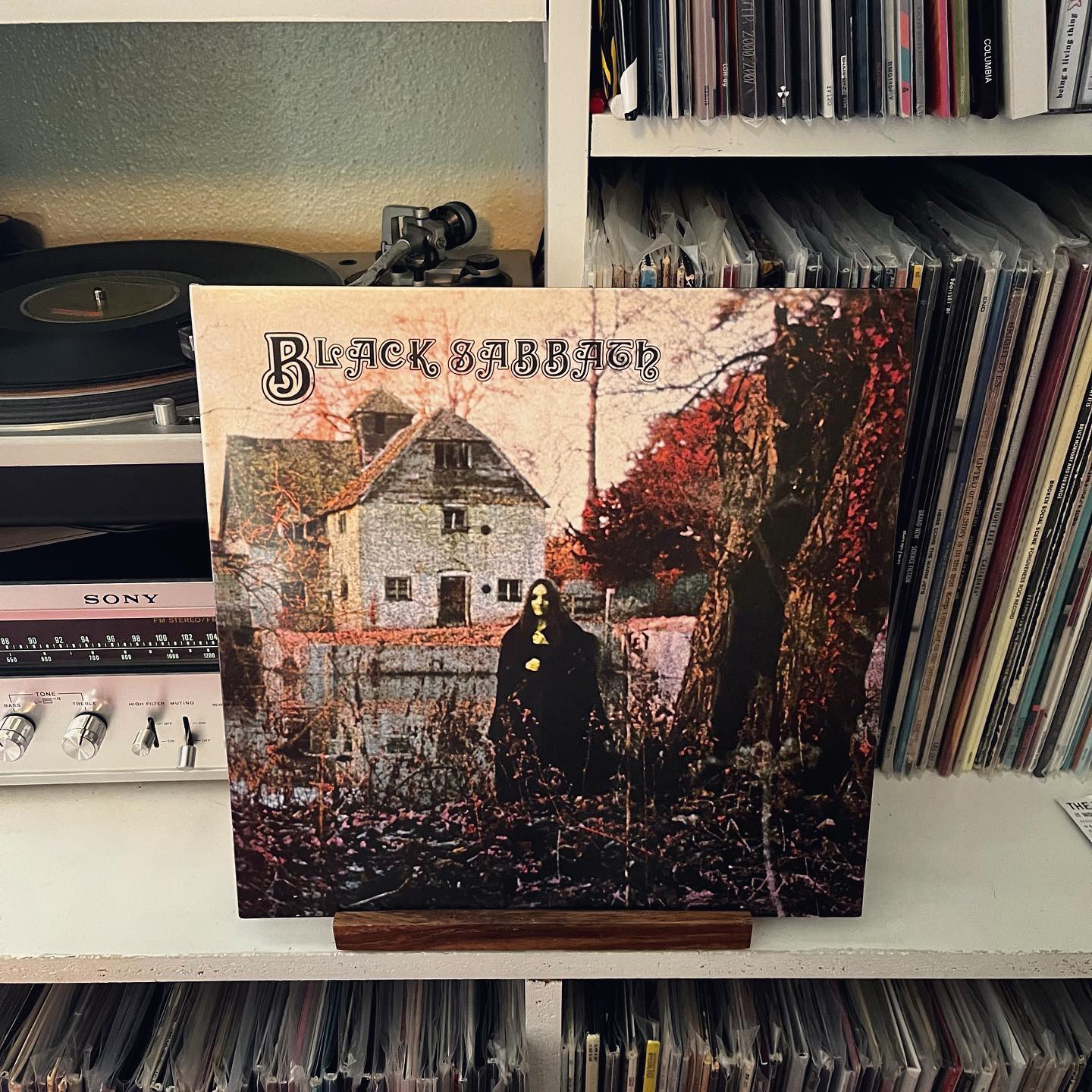
There’s no question that Black Sabbath is one of the most important metal bands—nay, bands, period—in the history of recorded music. But for most fans, that legacy comes with a few asterisks.
The first six records are universally regarded as essential and indelible classics. After that, it gets a little fuzzy. Between the unmoored experimentation of the late Ozzy era to the frequent lineup changes in the decades to follow, later Sabbath is a bit like panning a spent river for gold.
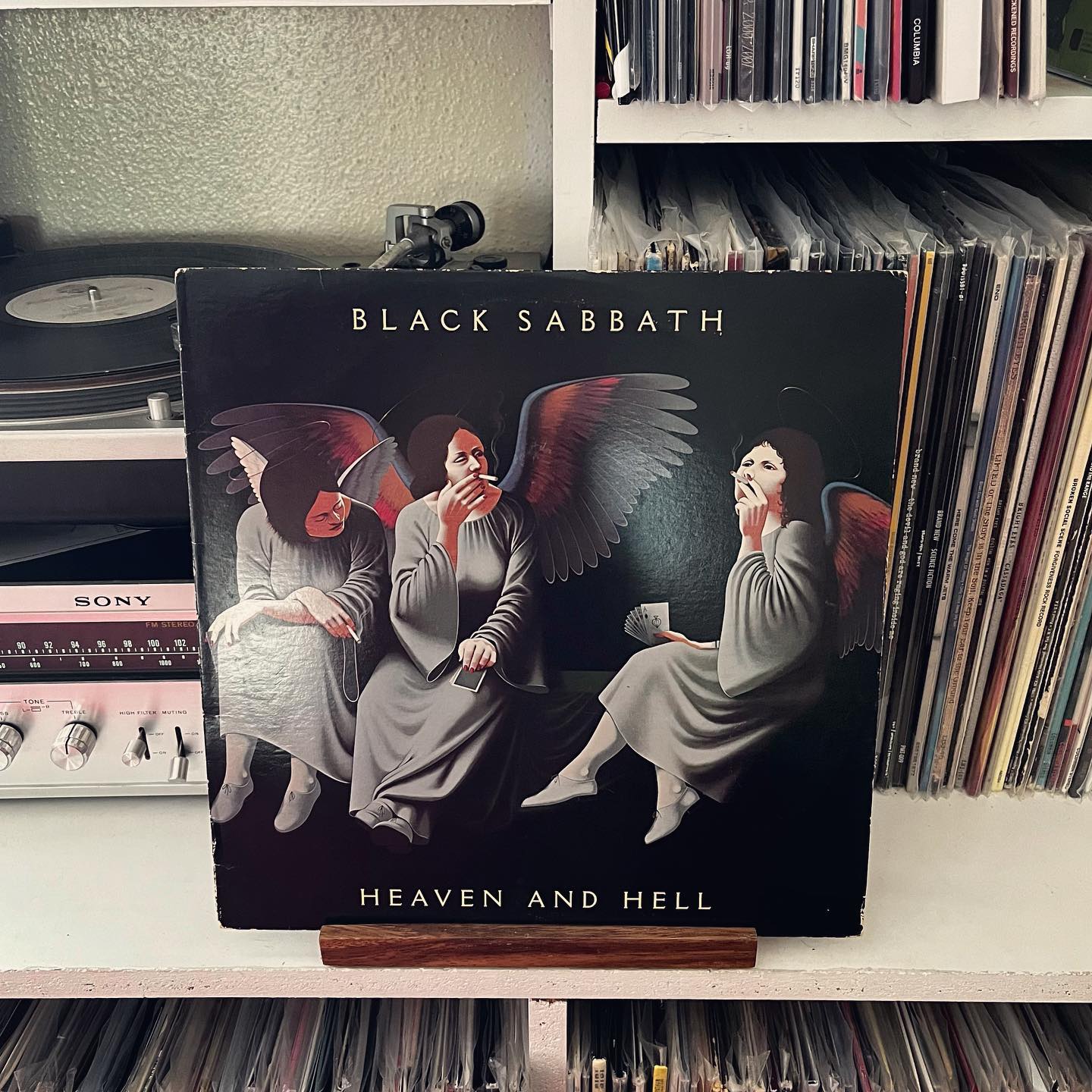
However, there is one bright and shining nugget of an exception in the throng of so-so releases: Heaven and Hell, the first record to feature new vocalist Ronnie James Dio. His arrival brought an irrefutable shot of energy to the legendary metal outfit, bringing their best record since Sabotage.
But there’s a pretty big problem with this record: it just doesn’t sound like Black Sabbath.

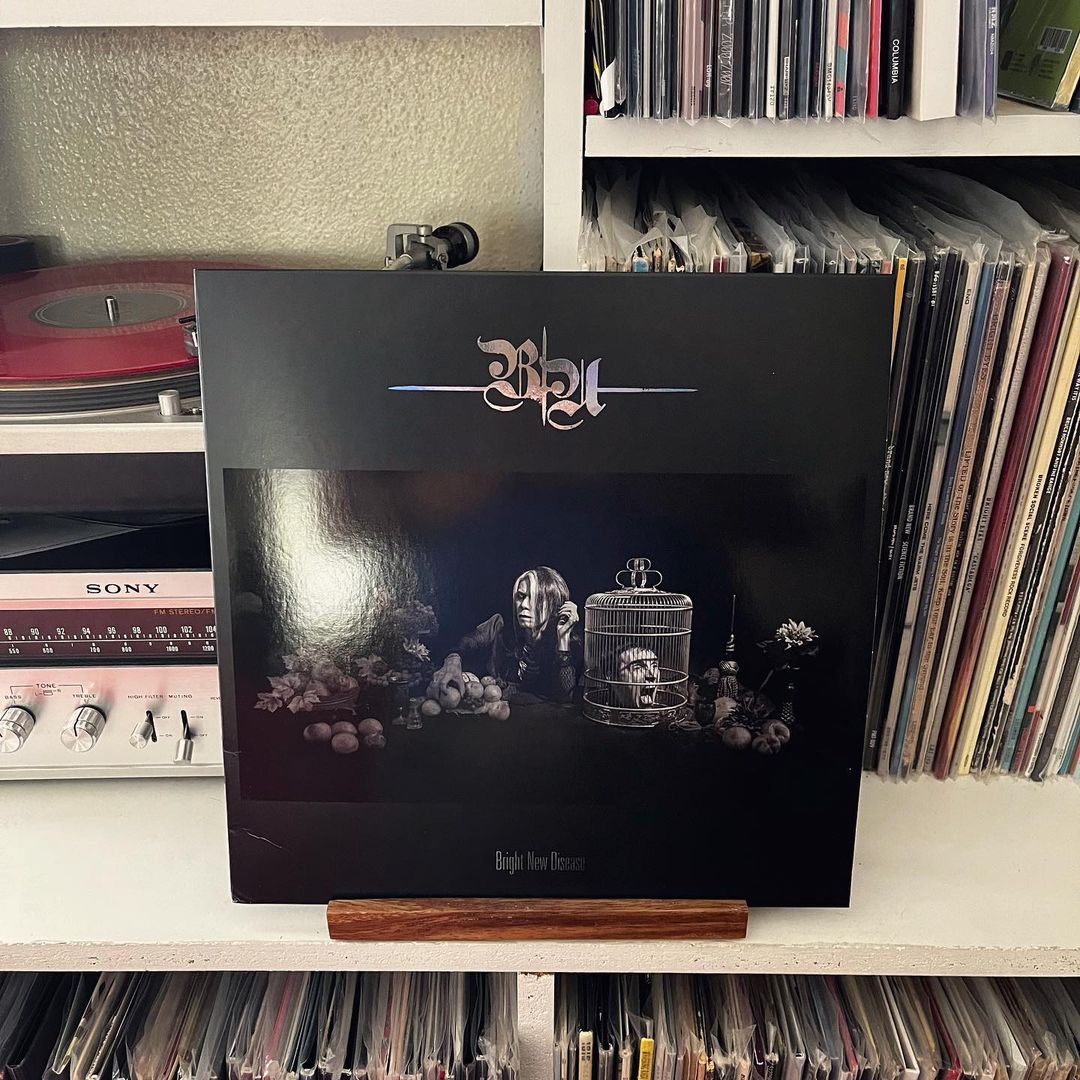
 I’m not sure exactly who it was that drew such rigid lines around metal. While pioneers like Sabbath and Maiden were wide open to other influences, somewhere along the lines, metal shored itself up and went to war with other music. It’s not just softer styles either—metal fans and hardcore fans often come to blows with one another. Even subgenres within metal itself have split into warring factions.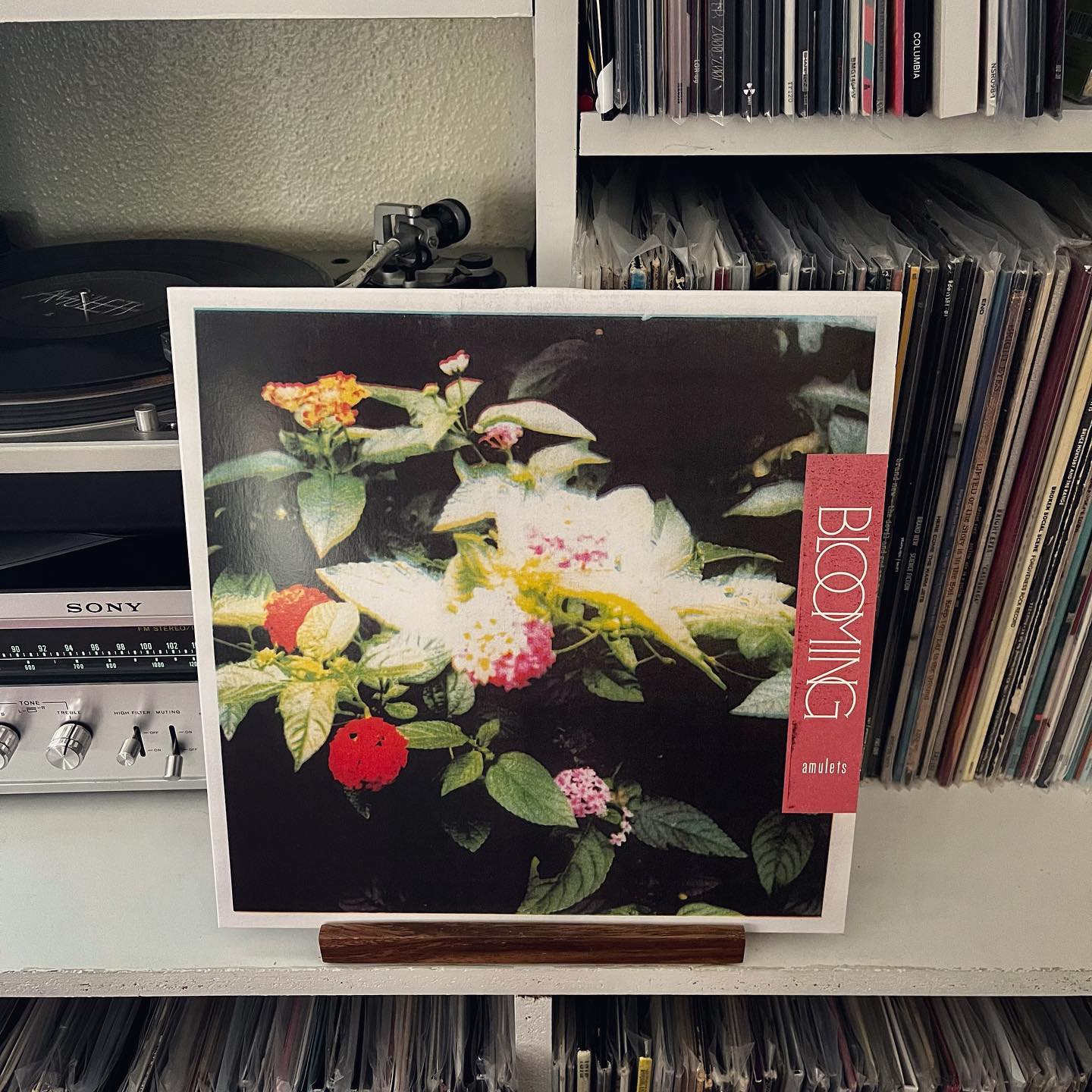
 They say hindsight is 20/20, but I’m not sure that’s the case. The lens of nostalgia often glazes over details with a broad brush, homogenizing the intricate diversity of moments in time into a monotone.
 In the summer of 2005, my