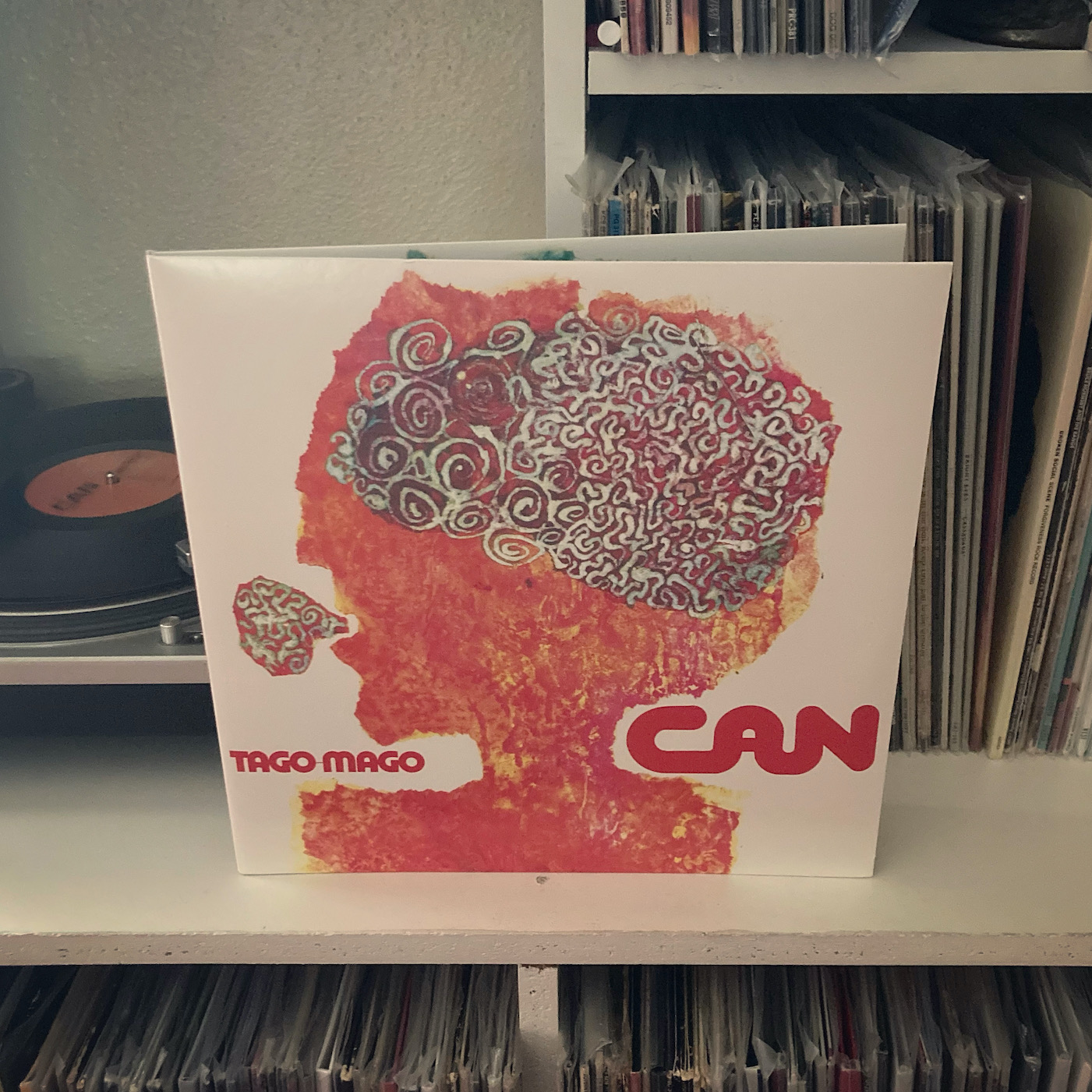
 Few musical movements are as weird, wonderful, and influential as Krautrock, a collection of West German bands in the 1970s that pushed the boundaries of what music could actually do to its extremes. The movement had an incredible influence on post punk, progressive rock, new age, shoegaze, and the birth of post rock. The shape of modern, electronic leaning pop music can be traced back to Krautrock, specifically the synthpop pioneers Kraftwerk.
But perhaps no band in Krautrock was more influential than Cologne’s Can, whose sprawling jazz-and-funk jams, improvised vocals, psychedelic exploration, tape editing techniques, and ambient experimentation went on to define Krautrock and influence everyone from David Bowie to Radiohead to Joy Division to the Flaming Lips to Kanye West.
Among their monstrous catalog (they recorded ten albums between 1969 and 1979), most fans and critics agree that the pinnacle of their career was the trilogy of records featuring vocalist Damo Suzuki, which includes the criminally underrated Future Days, the seminal Ege Bamyasi, and this, the eldritch, immense Tago Mago.


 Speaking of
 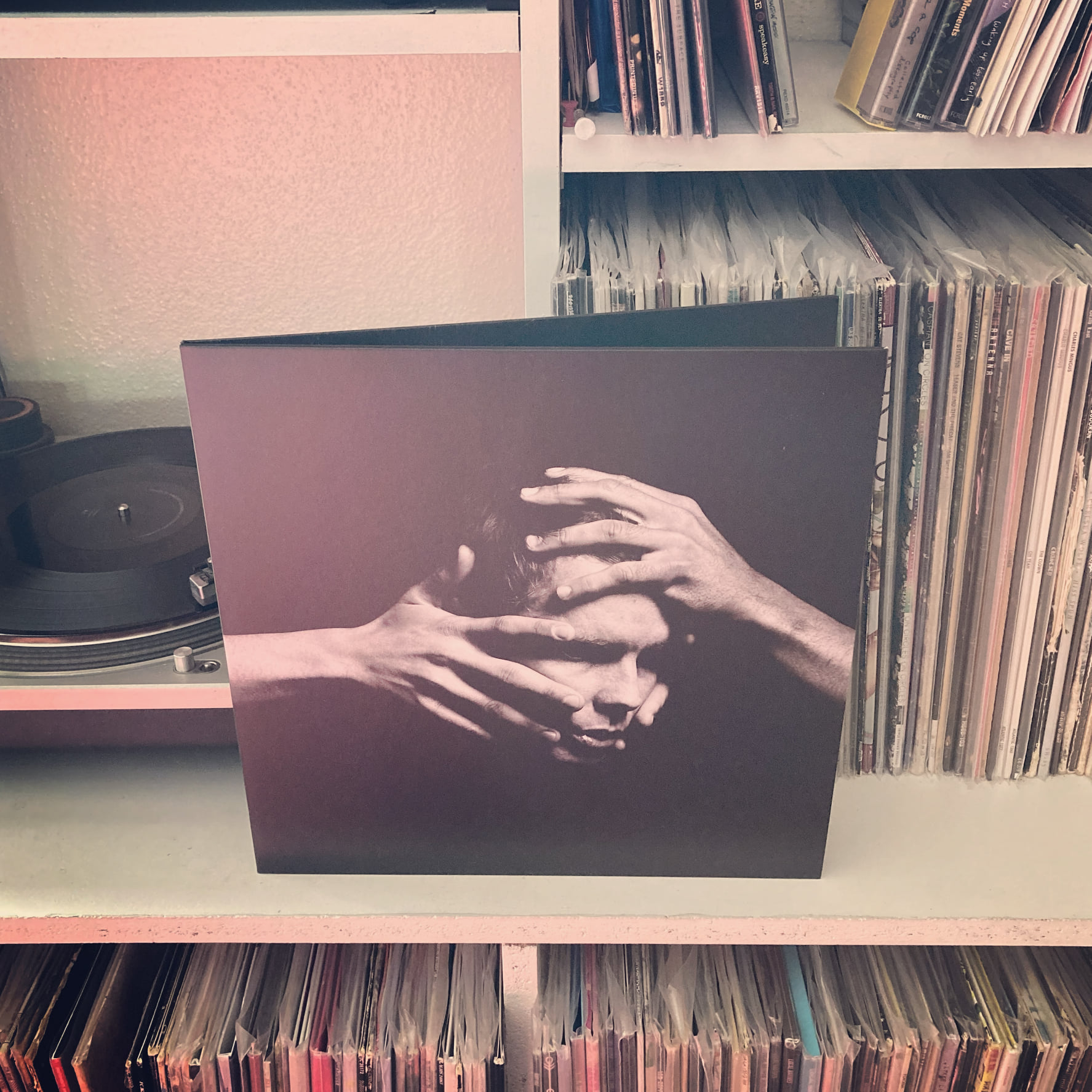 For the last twenty-three years, Sigur Rós frontman Jón Þór Birgisson, better known as simply Jónsi, has traversed the deepest nearly every span of the human experience, from the glacial joy of Agaetis Byrjun to the isolated chill of Valtari to the dense grief of Kveikur to the bounding, pastoral joy of Með suð í eyrum við spilum endalaust. And that’s all without mentioning Sigur Rós’ more abstract works or the work of Jónsi & Alex, his ambient collaboration with his partner.
 In the early months of 1994, British band Bark Pscyhosis released their seminal debut album Hex.
 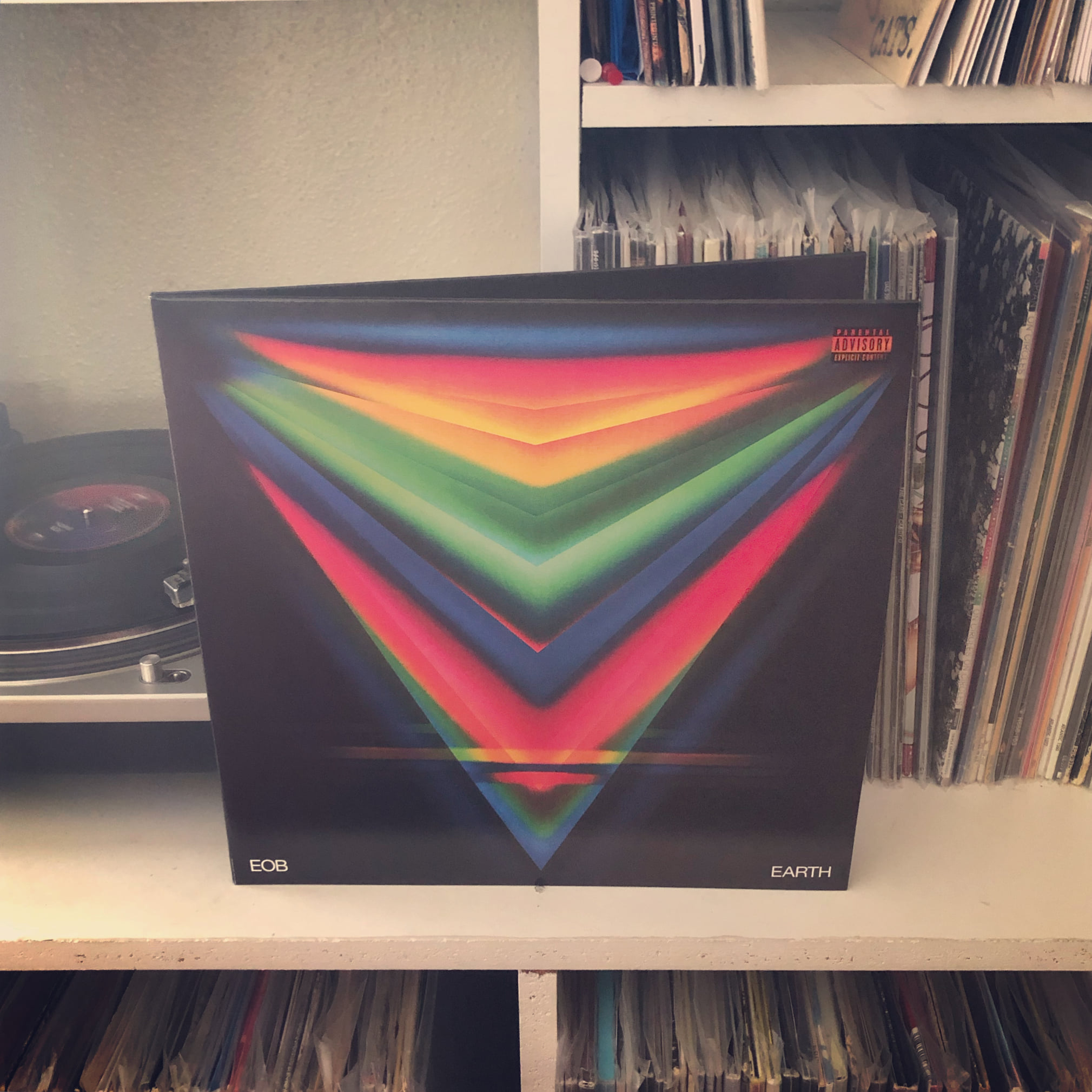 Love ’em or hate ’em, there’s no denying that Radiohead is among the most celebrated outfits in musical history. Much of the talk of their work is centered around two of the five members—singer Thom Yorke and multi-instrumentalist and composer Johnny Greenwood.
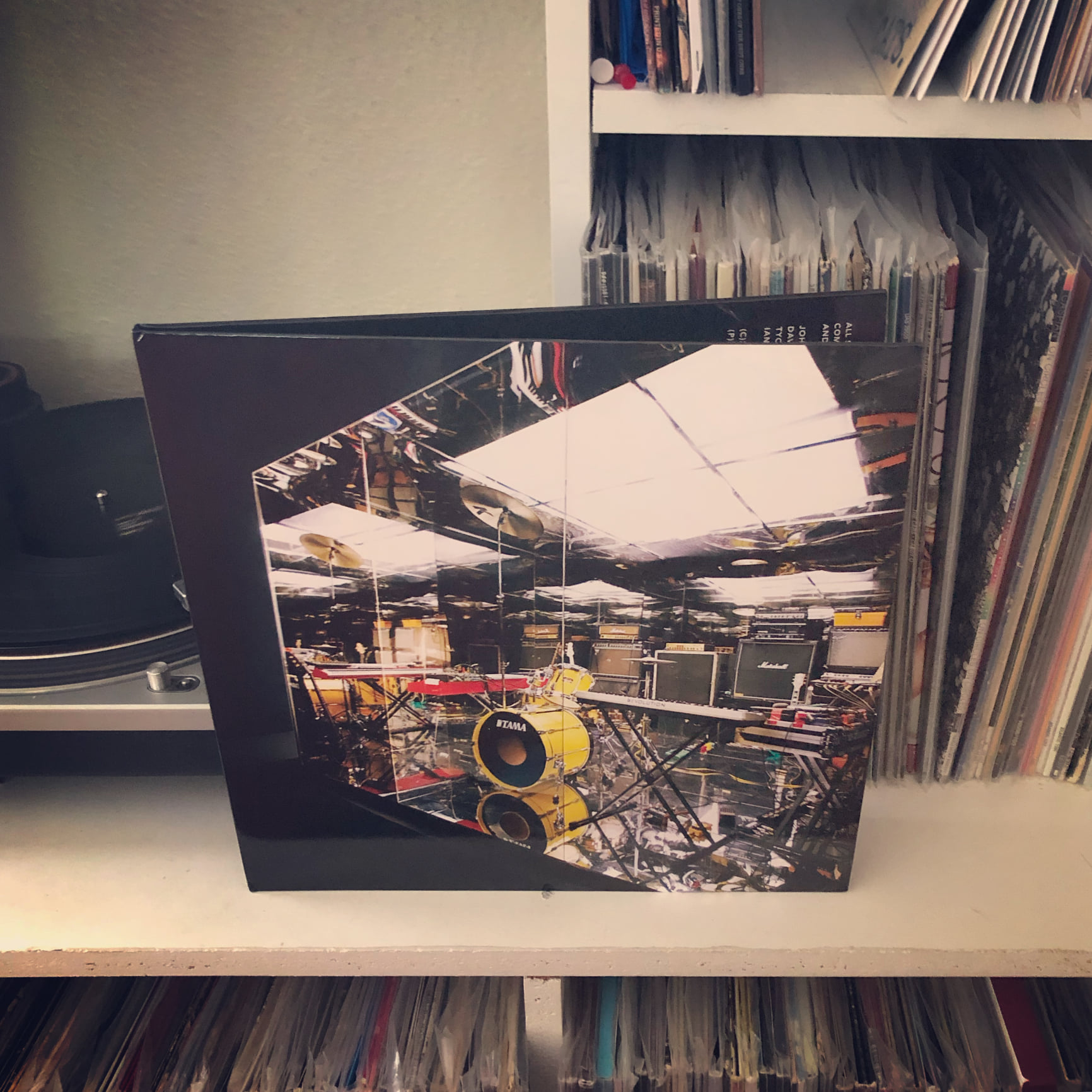 When you’re exploring new music, occasionally you come across love-at-first-site records—albums that immediately latch themselves to your psyche when you first hear them. Then, there are slow burns—records that take a little more exploration, but fully envelop you in their sonic arms.