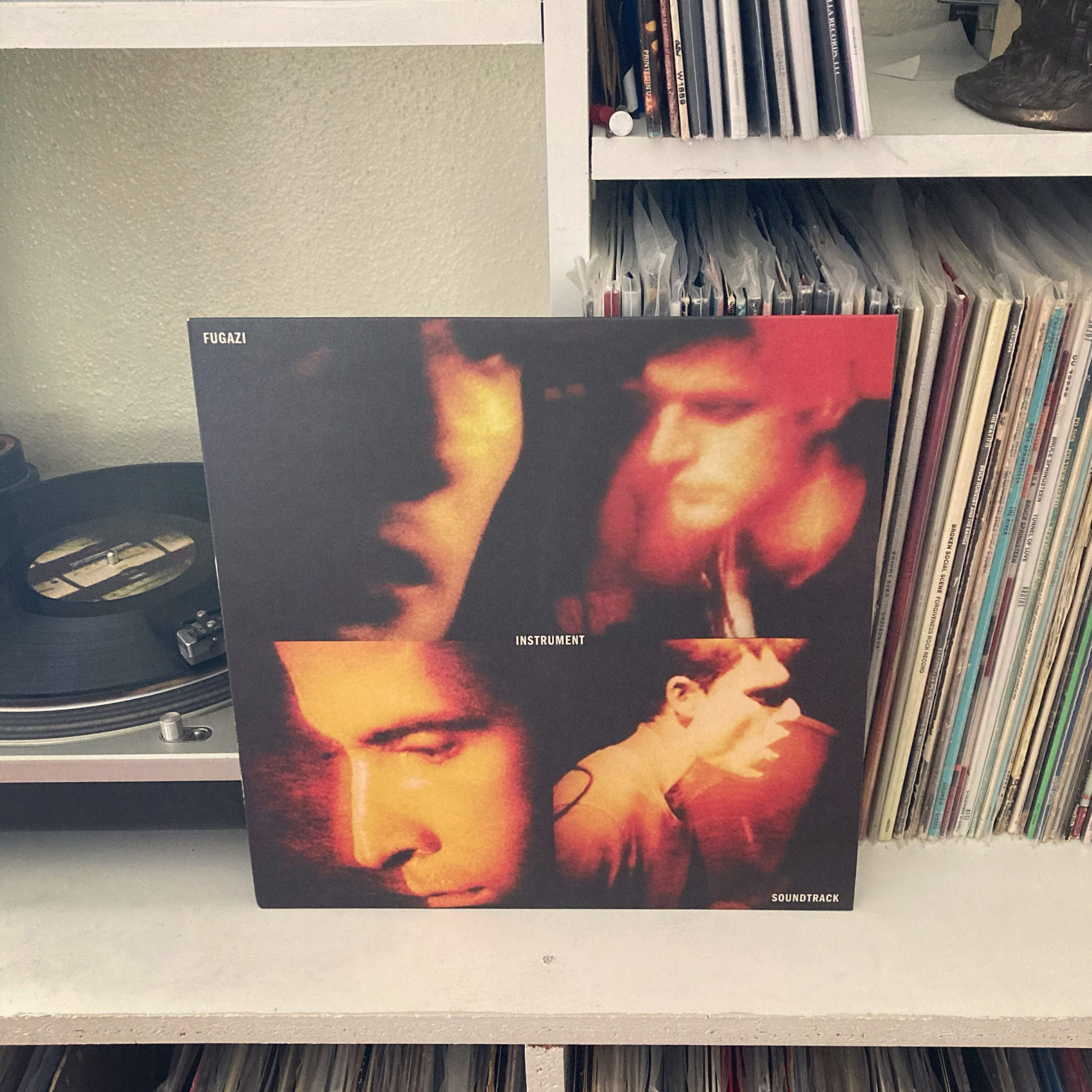
Few bands are as monolithic as Washington DC post-hardcore demigods Fugazi. For decades, they have been celebrated for their ethical convictions as well as the severity of their output. So it comes as “No Surprise” that the documentary about one of the best bands in the world would be one of the greatest music films ever made.
The documentary Instrument is a massive work, following Fugazi from their early days in the DC hardcore scene to the recording of End Hits, and it captures a side of Fugazi that runs counter to their reputation as self-serious punk monks—most notably that they lived in a house together with no heat, surviving on a Steady Diet of Nothing but rice. The film instead shows a group of guys who love making music and have a lot of fun doing it.
Likewise, the soundtrack to that film captures the same playful attitude—which isn’t a word typically used to describe Fugazi.
 I have a working theory I’ve been testing the last few years. The premise is essentially that to the average layperson, their entire listening experience is driven by the vocals.
  I’ve told the story before of buying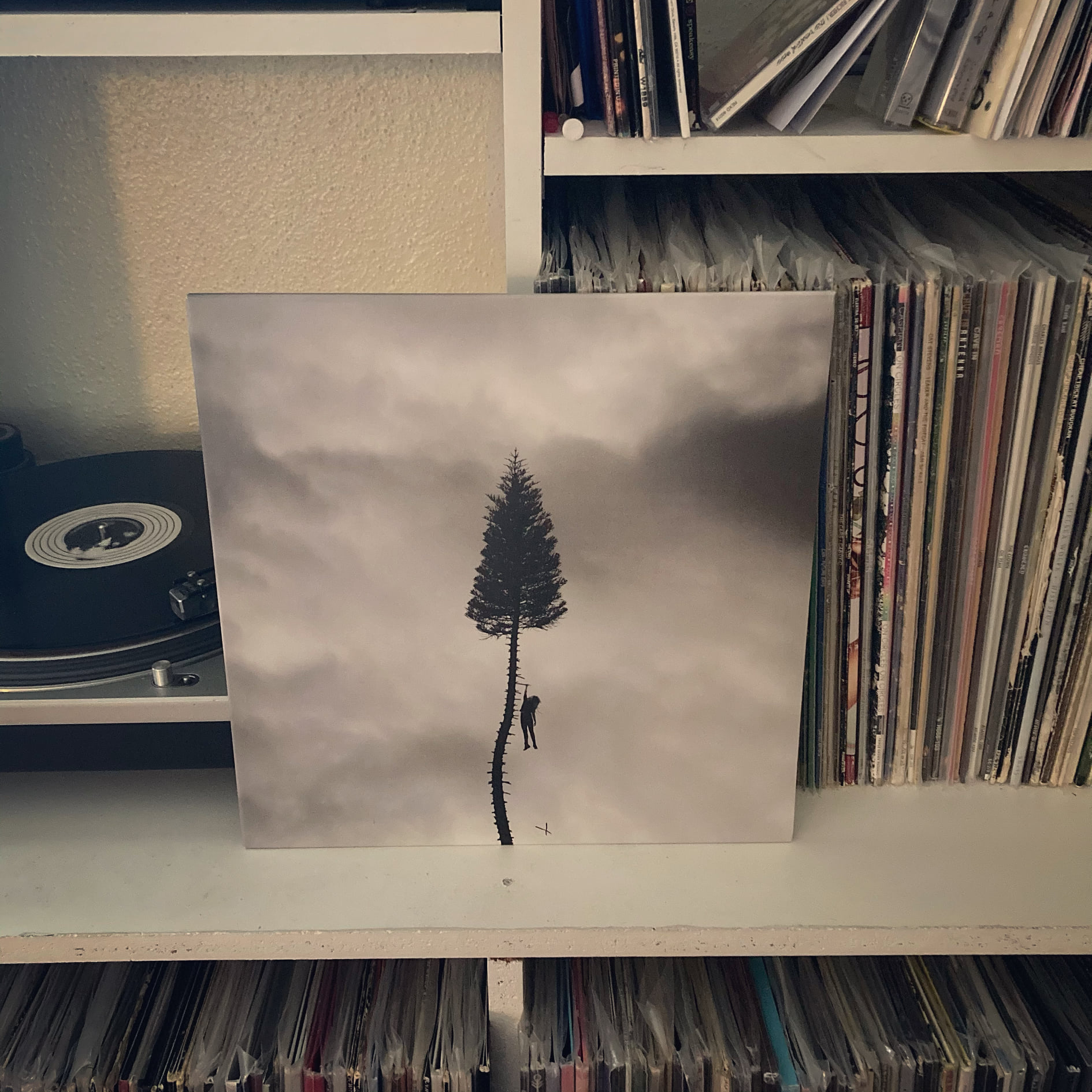
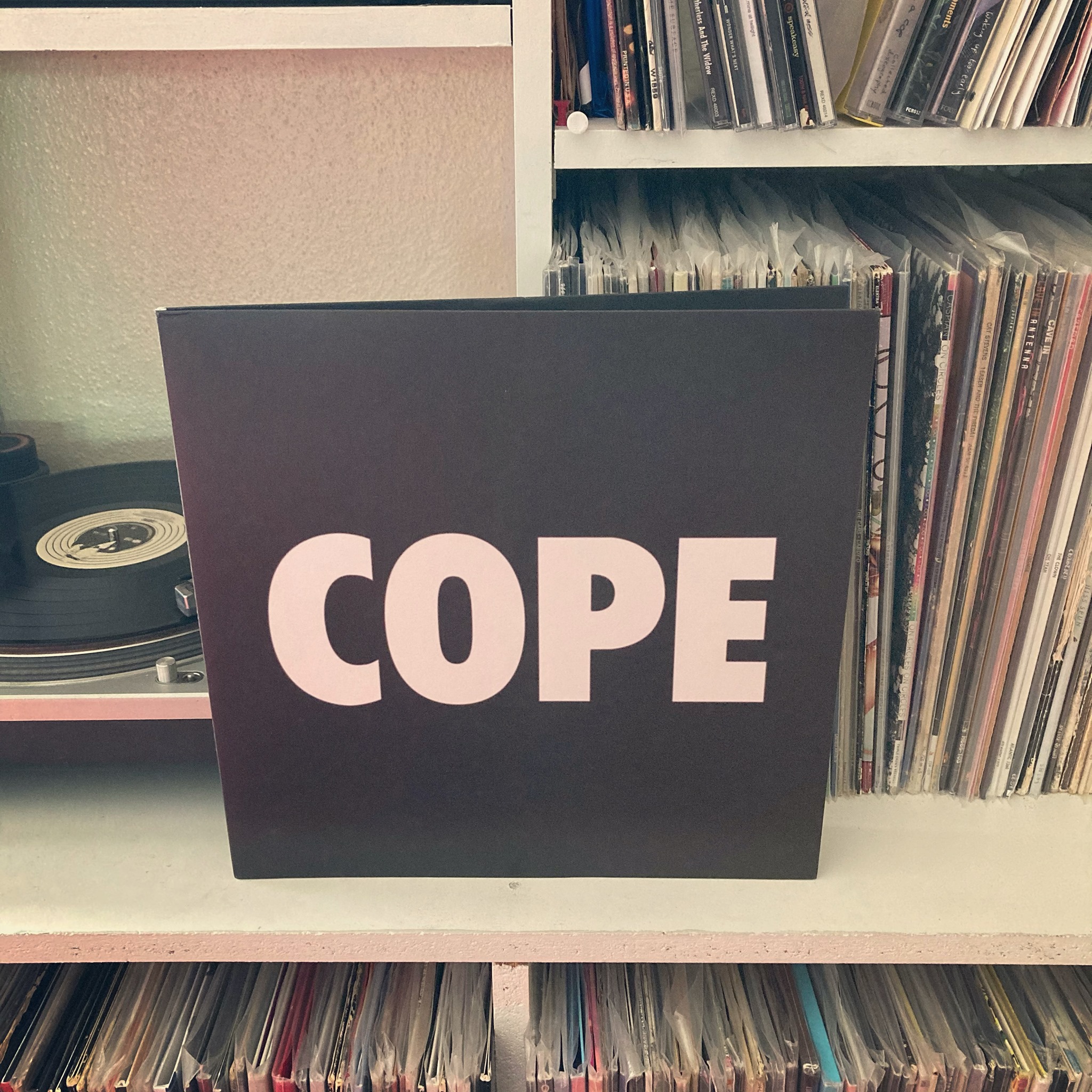 A few months ago, I realized that despite years of guest features, tours with bands I love, and general cultural osmosis, I had never actually knowingly listened to Manchester Orchestra.
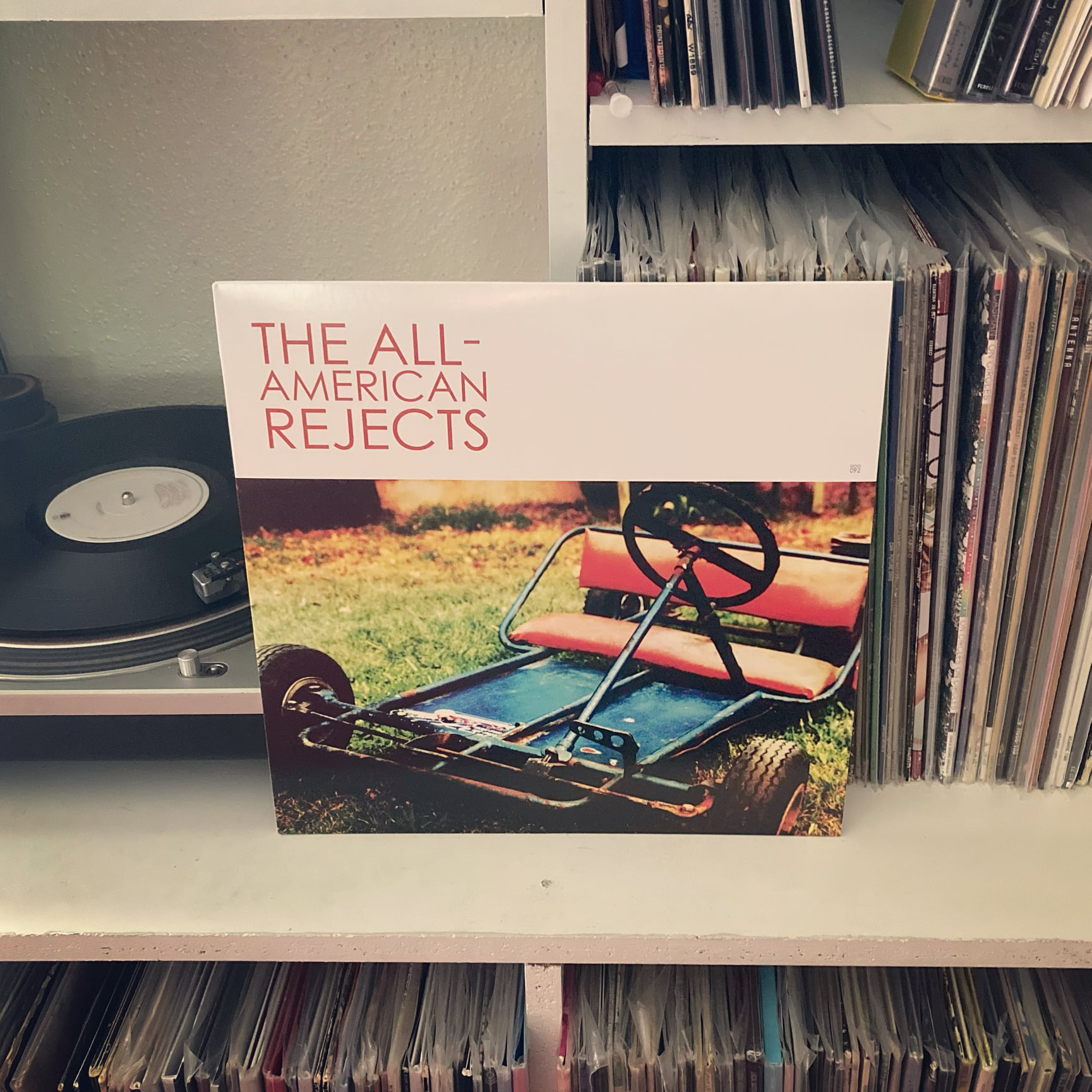 In 2002-2003, I was a sixteen-year-old emo kid who discovered all my music through scouring message boards, cross-referencing the thank yous in CD liner notes, or watching hours of Fuse TV. I was ingesting a healthy diet of Thrice, Sunny Day Real Estate, Fugazi, pre-hiatus Weezer, Zao, and the like.
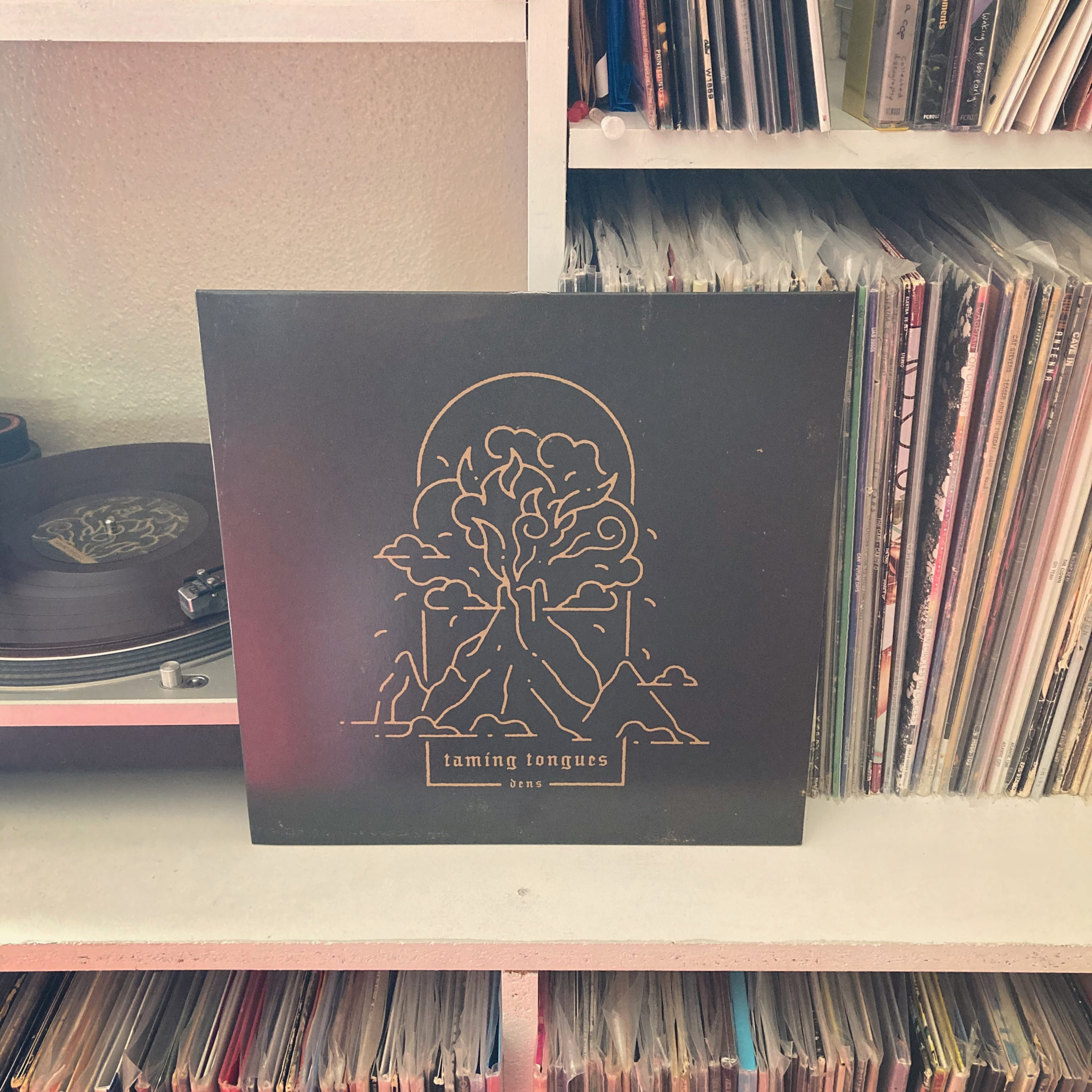 Over the last few years of attending, playing, and even organizing vaguely “Christian” music festivals, I have come to a deep appreciation of Facedown Records—home of such excellent bands as
