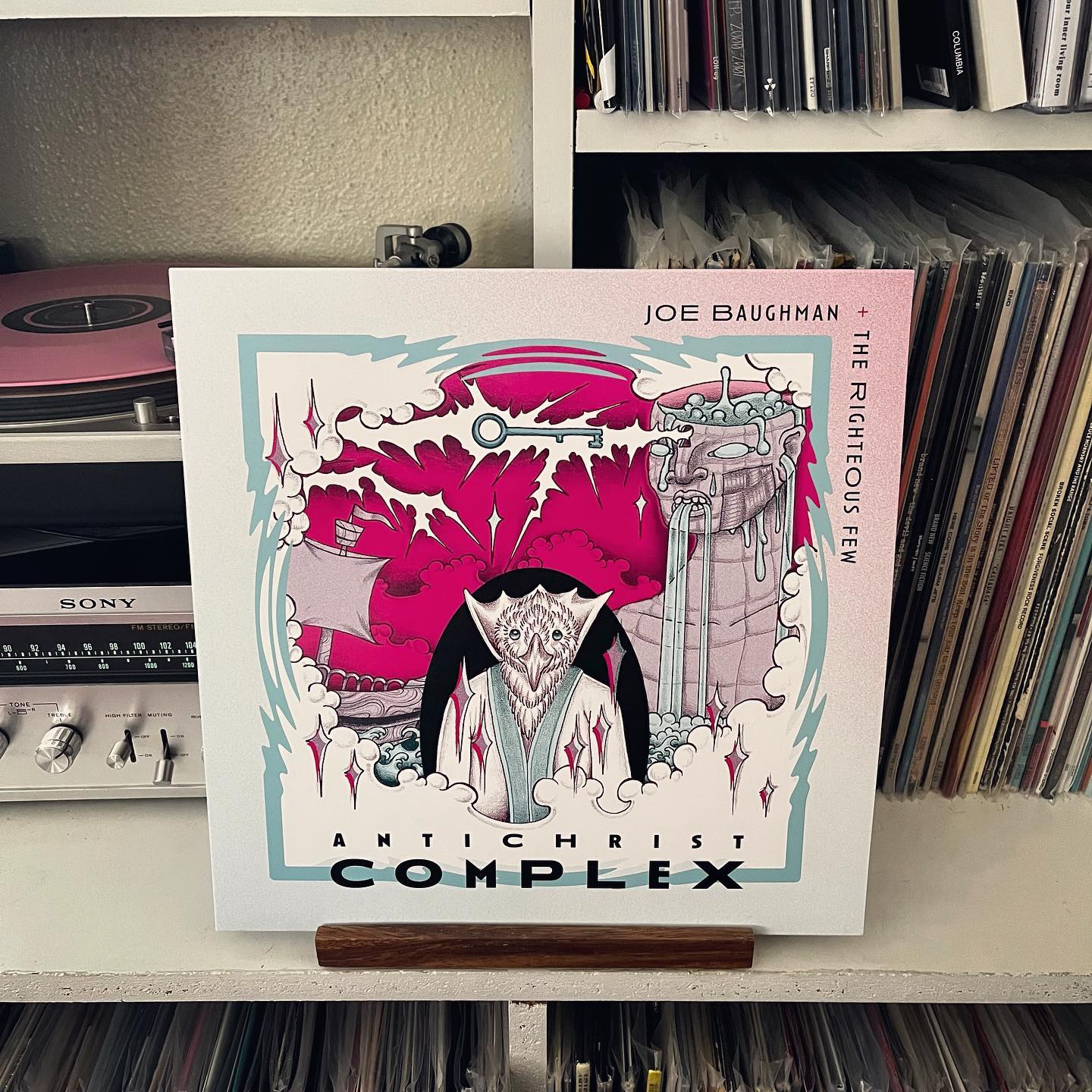
 I’ve spent much of my life trying to fight the idea that the “local” in “local bands” is a polite way of saying “bad.” After all, if they were any good, wouldn’t they have graduated from being local bands, right? We all know the universe unilaterally reward talent with notoriety to a proportional degree, right? Obviously, we know that’s absurd, but the idea persists.
One of my most frequent rebuttals to this prejudice is my friend Joe Baughman and his backing band, that is most recently called The Righteous Few. Their performances, whether in a theater or a basement, have been filled with the sort of ambitious, freewheeling quirkiness that brought acts like Arcade Fire and Sufjan Stevens to prominence. While there’s no real substitute for seeing this costume-clad beastly collective in person, Antichrist Complex is the closest they’ve ever put to tape, complete with horn and string sections, instrument changes, and lyrics just as manic as the unpredictable swirl of folk rock, funk, and gospel bursting out of the band.
 Among my social circle, I have a famous distaste for bands like Mumford & Sons, Of Monsters & Men, and the rest of their ilk of faux-backwoods, banjo-accompanied strum-and-stomp folk pop.
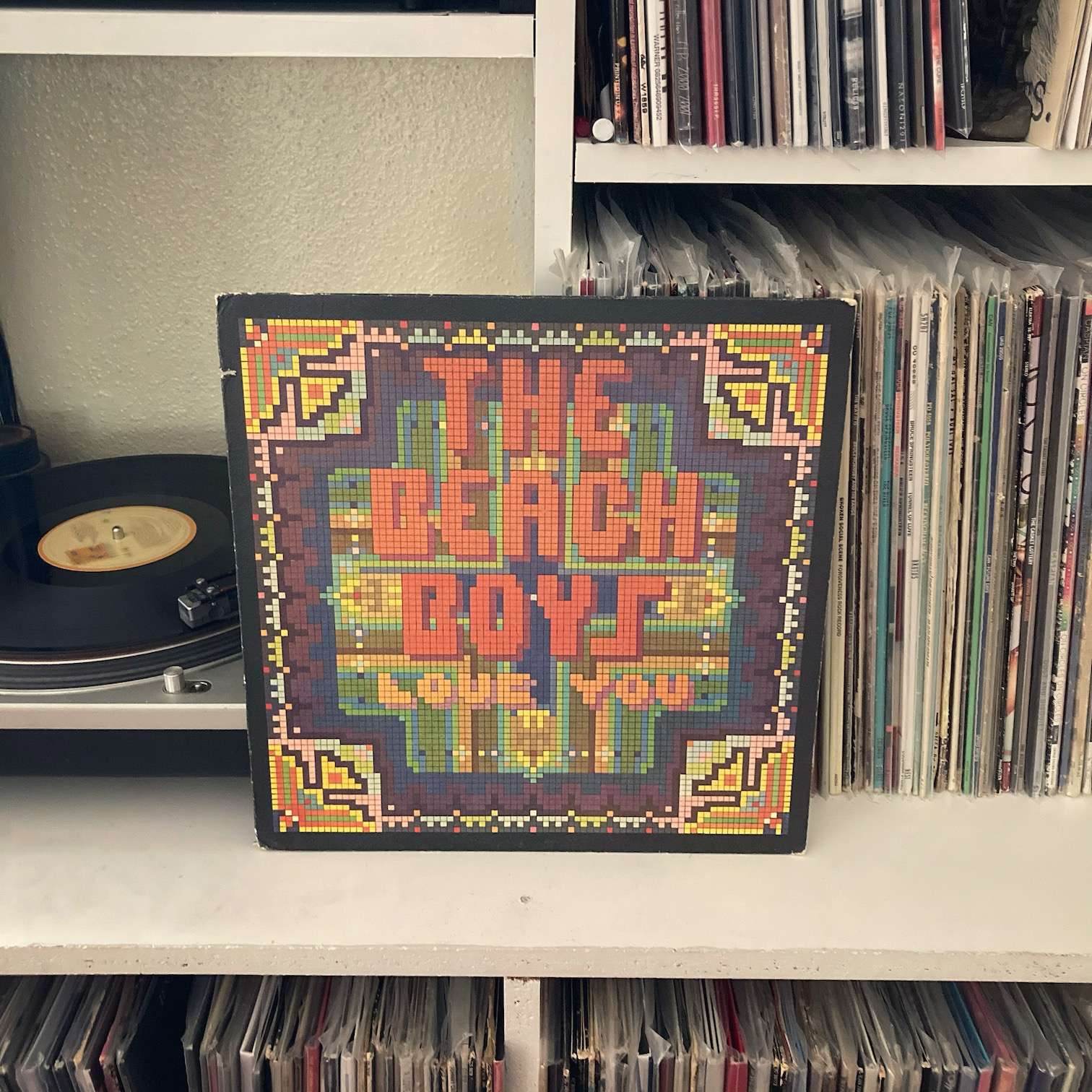 Across the history of popular music, few minds have created music as beautiful, infectious, and moving as that of Brian Wilson. But that mind was also intensely fragile, leading to bouts with mental illness that were so serious he had to withdraw from the creative process, often for years at a time.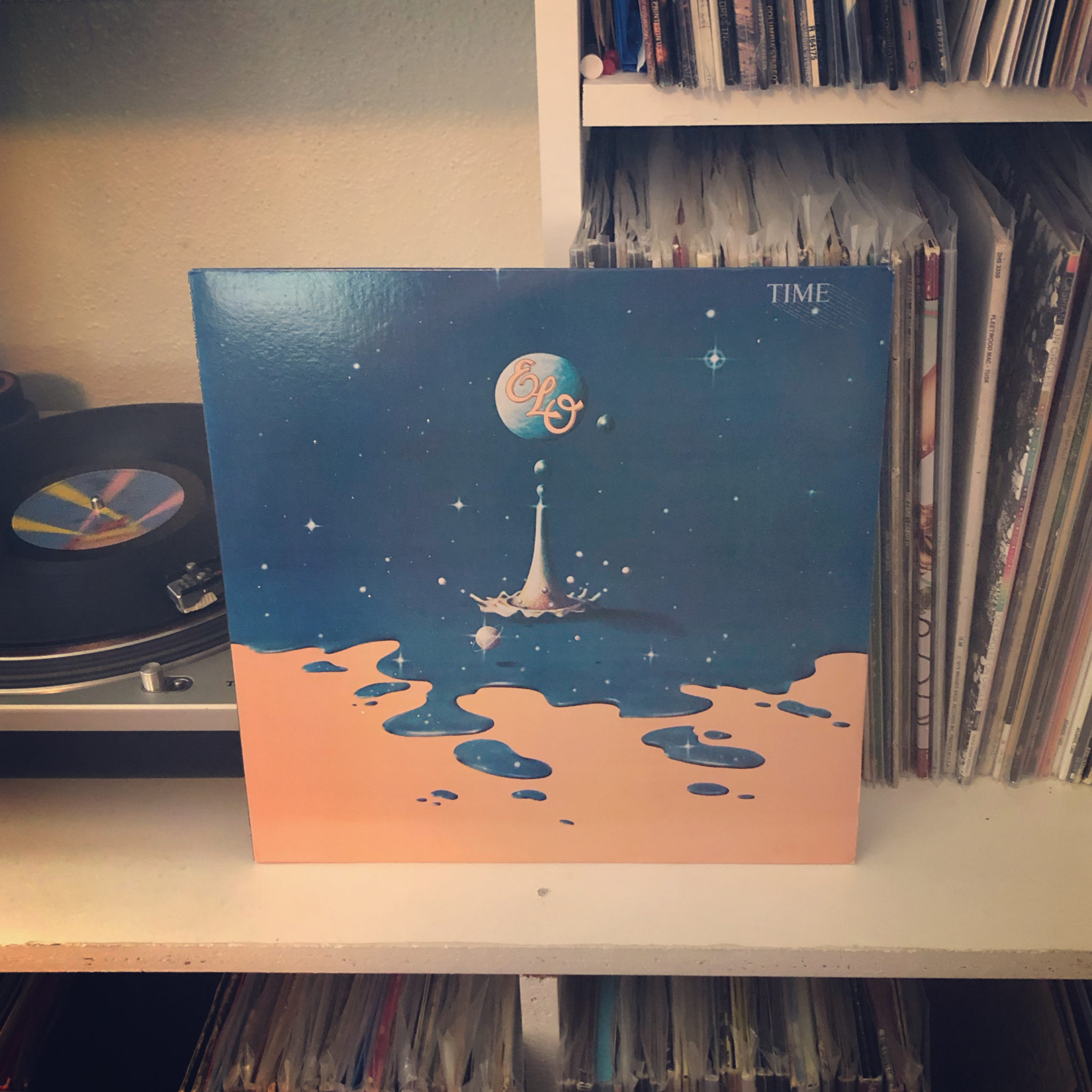
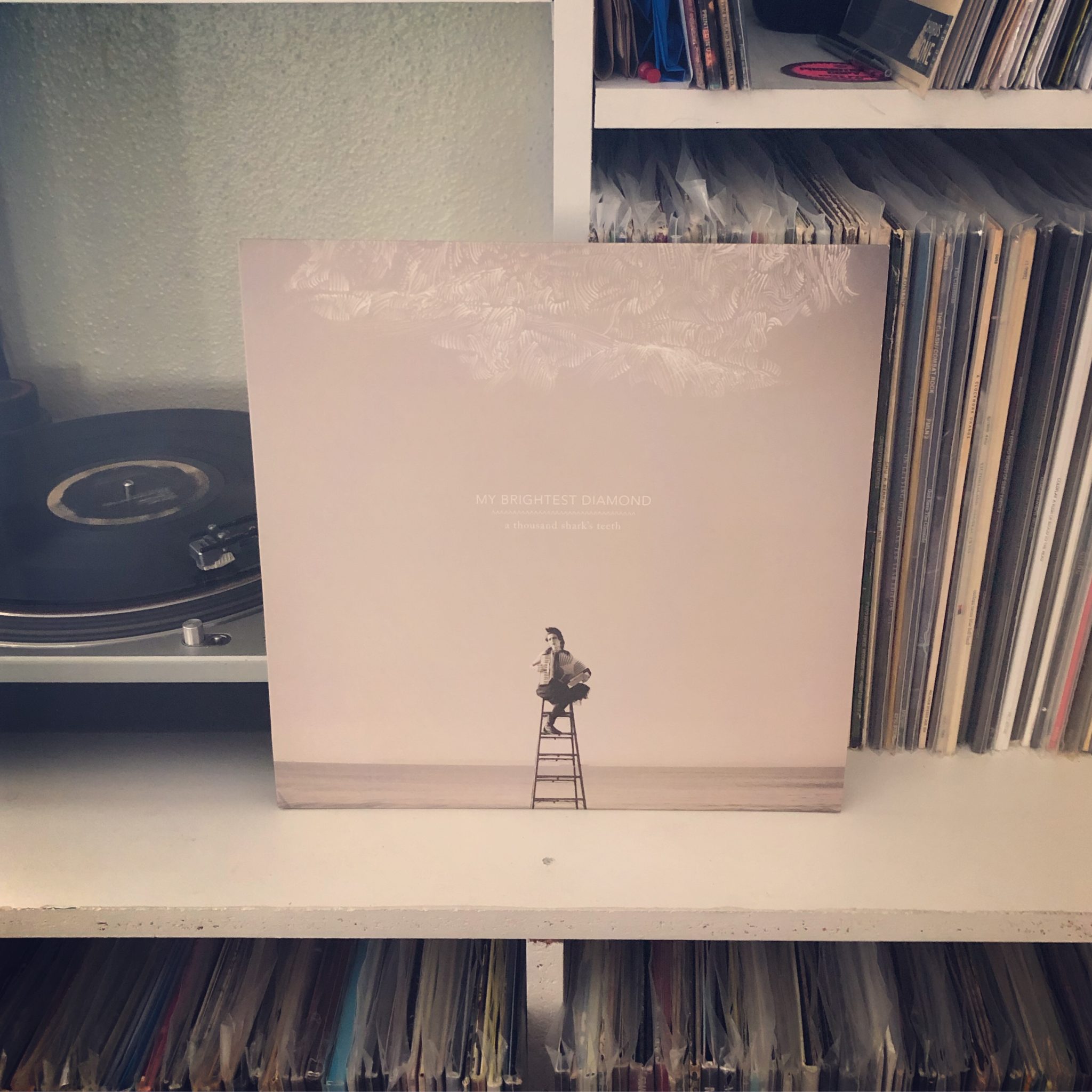

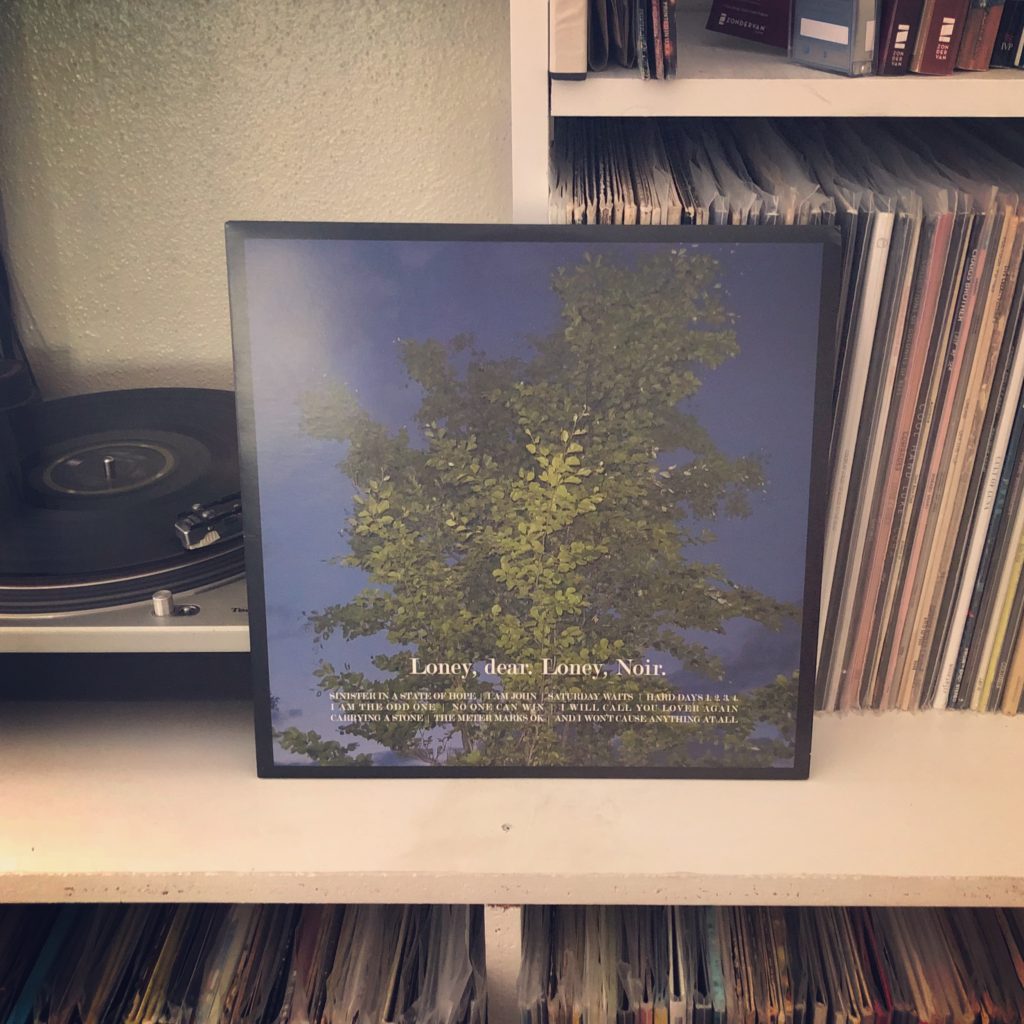 In college, I frequently visited a French music site called
  In 1994, a Seattle hardcore* band called Sunny Day Real Estate released Diary. It was a veritable tour de force of emotional range, led by the otherworldly falsetto of
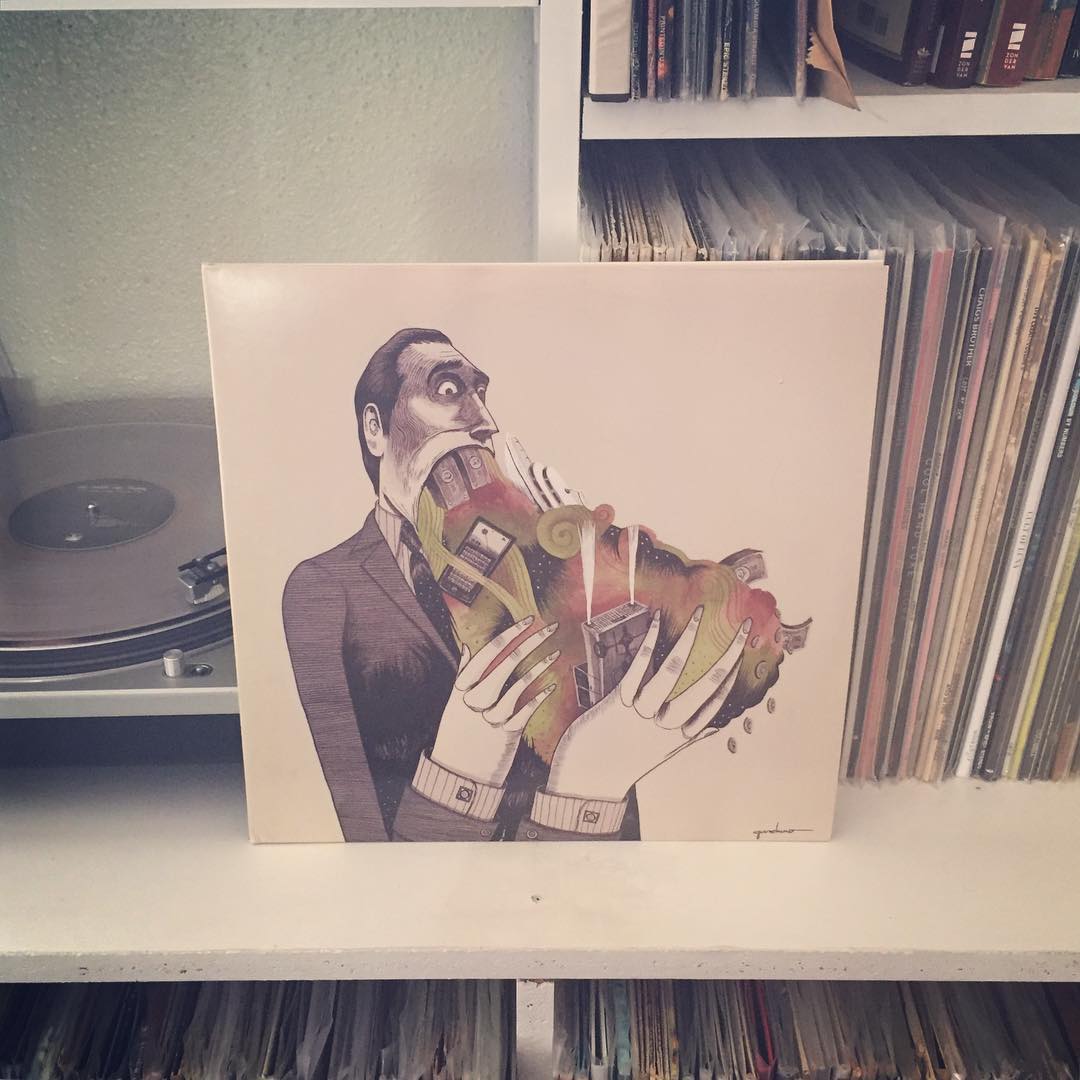 Often, when a band jumps between genres, it betrays a lack of self-awareness—a sign that they have no idea what their voice sounds like.