Music is very tied to memory for me. Records dot my memories like snapshots of specific times and places. However, since I do most of my listening through physical media—which costs money—I can’t memorialize all of those snapshots. Invariably, some of the stuff I’m listening to at any given point ends up slipping through the cracks of my limited record budget.
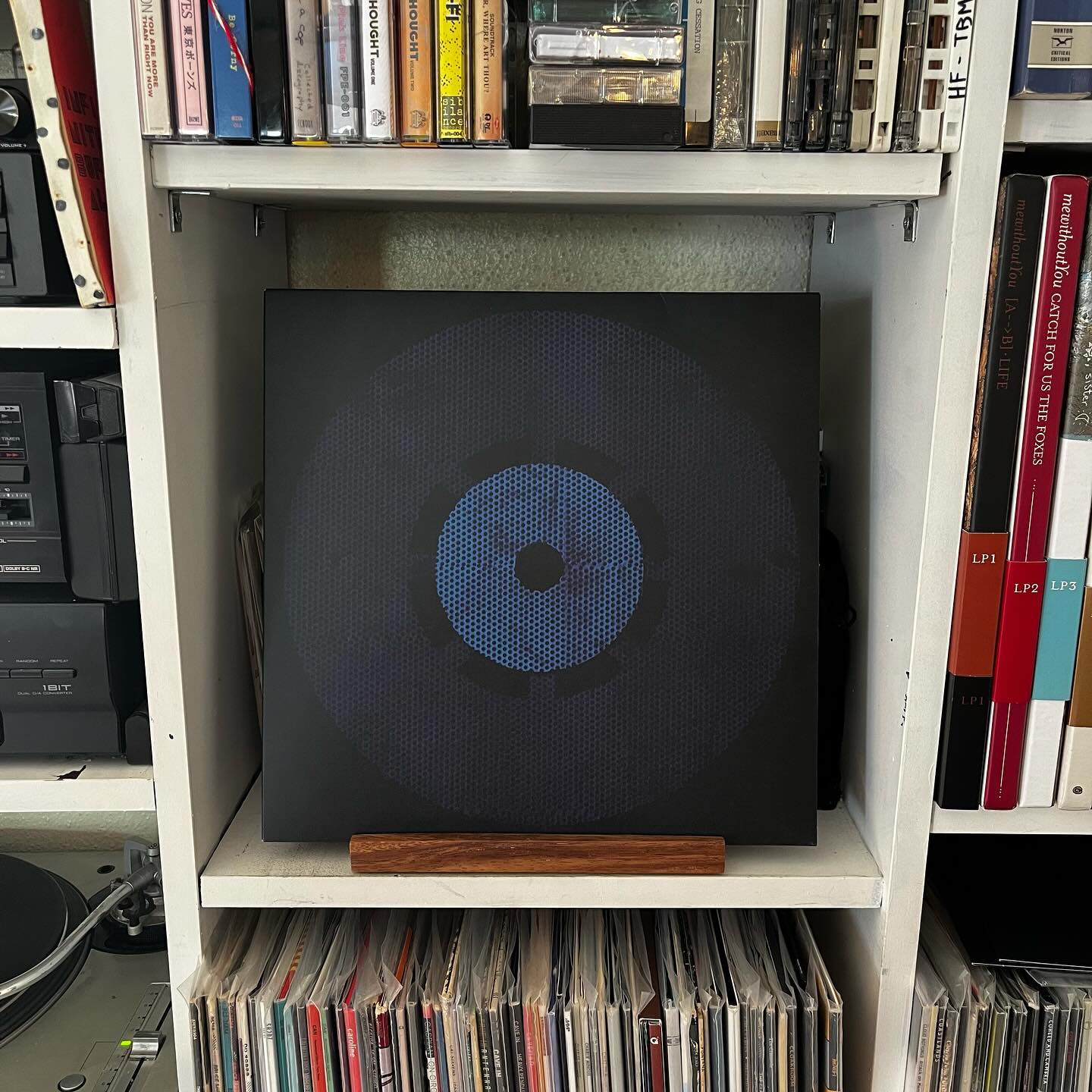
But occasionally, a forgotten record will rear its head years after the fact. In this case, that record is Silent Shout by Swedish brother-sister duo The Knife, a record that was included in the deluge of new music I was exposed to by my roommates in Chicago. While I loved the record from first listen, it was crowded out of my to-buy list by bands like Neutral Milk Hotel, Kraftwerk, New Order, Deerhunter, Grizzly Bear, and so much more.
Then this past year, my dear friend Bryan ordered me a copy for my birthday, rectifying its absence on my shelf.
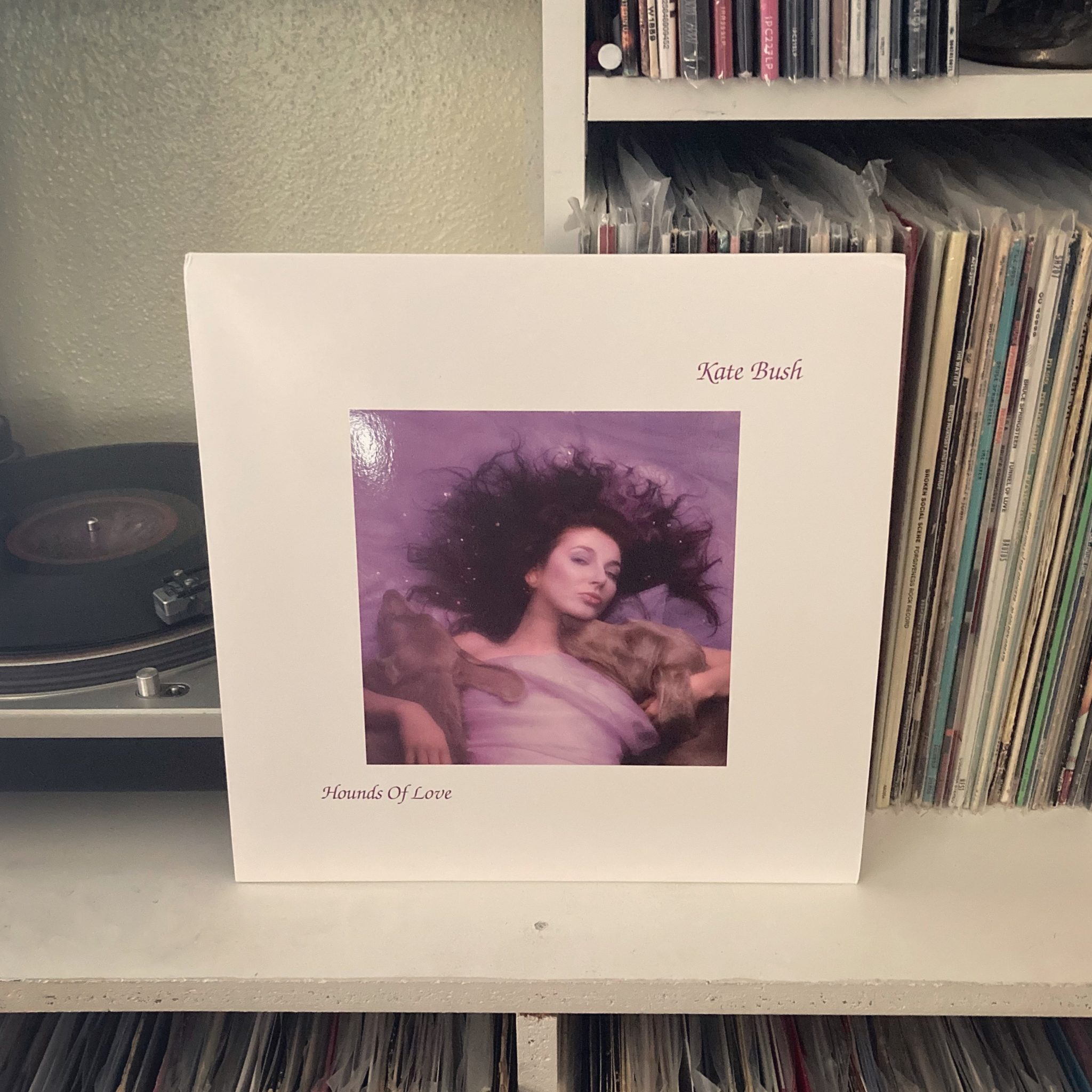
 Bjork has become kind of a punchline in recent years. And if we’re honest, both the fae princess schtick and her increasingly experimental electropop are pretty rife for parody.
 As the ancient Greek philosopher Heraclitus once said, “Change is the only constant in life.” He probably wasn’t talking about the artistic trajectory of musicians, but it’s certainly applicable. Every artist’s career is destined to change—whether by the continued growth of experimentation or the stagnation from repeating once-fresh formulas until they decay. And as artists change, their fans also change, and often in different directions. It seems to me that many fans usually follow an artist for three albums before they each move beyond one another.
 The art world is filled with archetypes. Take for example how every precocious pop starlet from Britney to Lady Gaga to Ariana Grande has garnered comparisons to Madonna.
 At some point in the mid to late 2000s, Gorillaz founder Damon Albarn decided that leading the world’s best cartoon band wasn’t enough, and started to aim a bit higher.
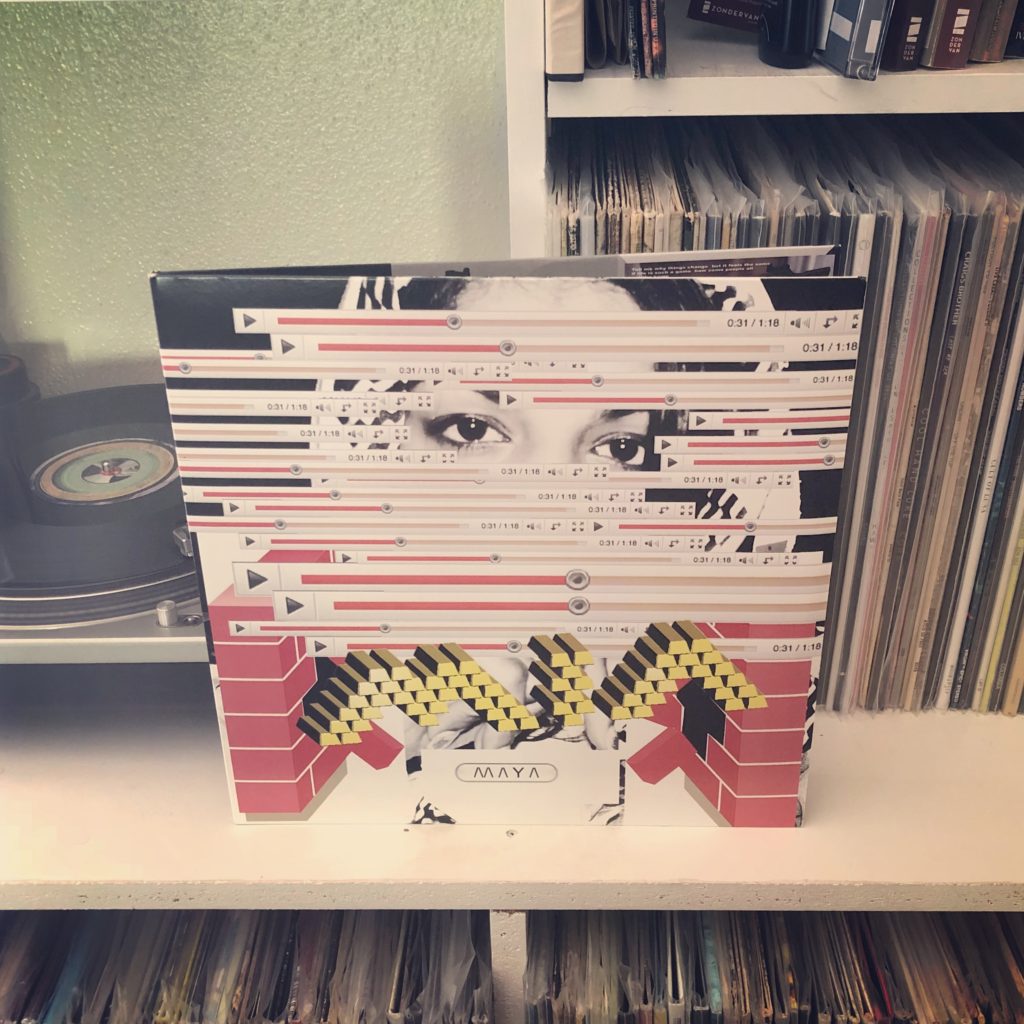 Throughout her career, M.I.A. has always been ahead of the curve—and the curve wasn’t always ready for her.
 How do you follow up a
  As legend has it, in the early 2000s the daughter of a Sri Lankan freedom-fighter slash visual artist named Mathangi “Maya” Arulpragasam (AKA M.I.A.) was introduced to the iconic Roland MC-505 sequencer and drum machine.
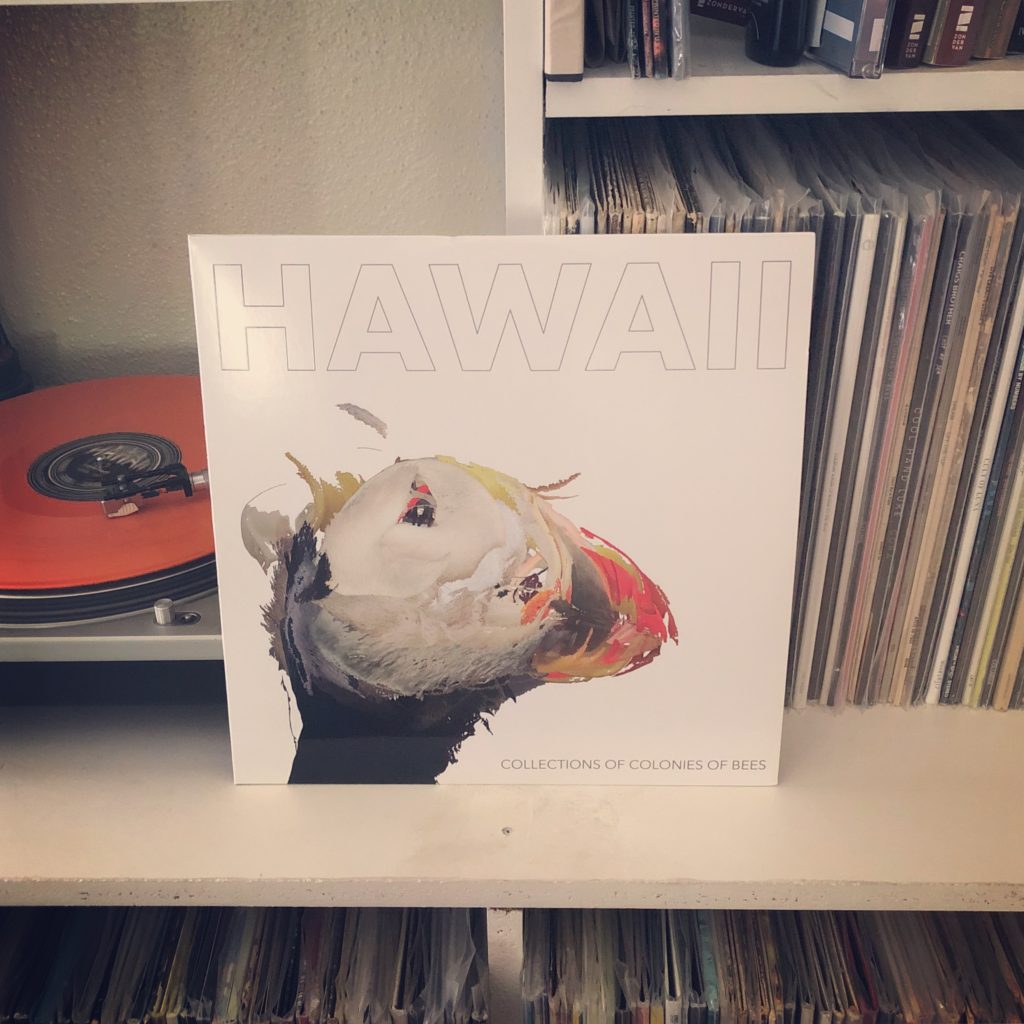 I’m not sure if there are many bands in the indiesphere with a more surprising career trajectory than Milwaukee’s Collections of Colonies of Bees.