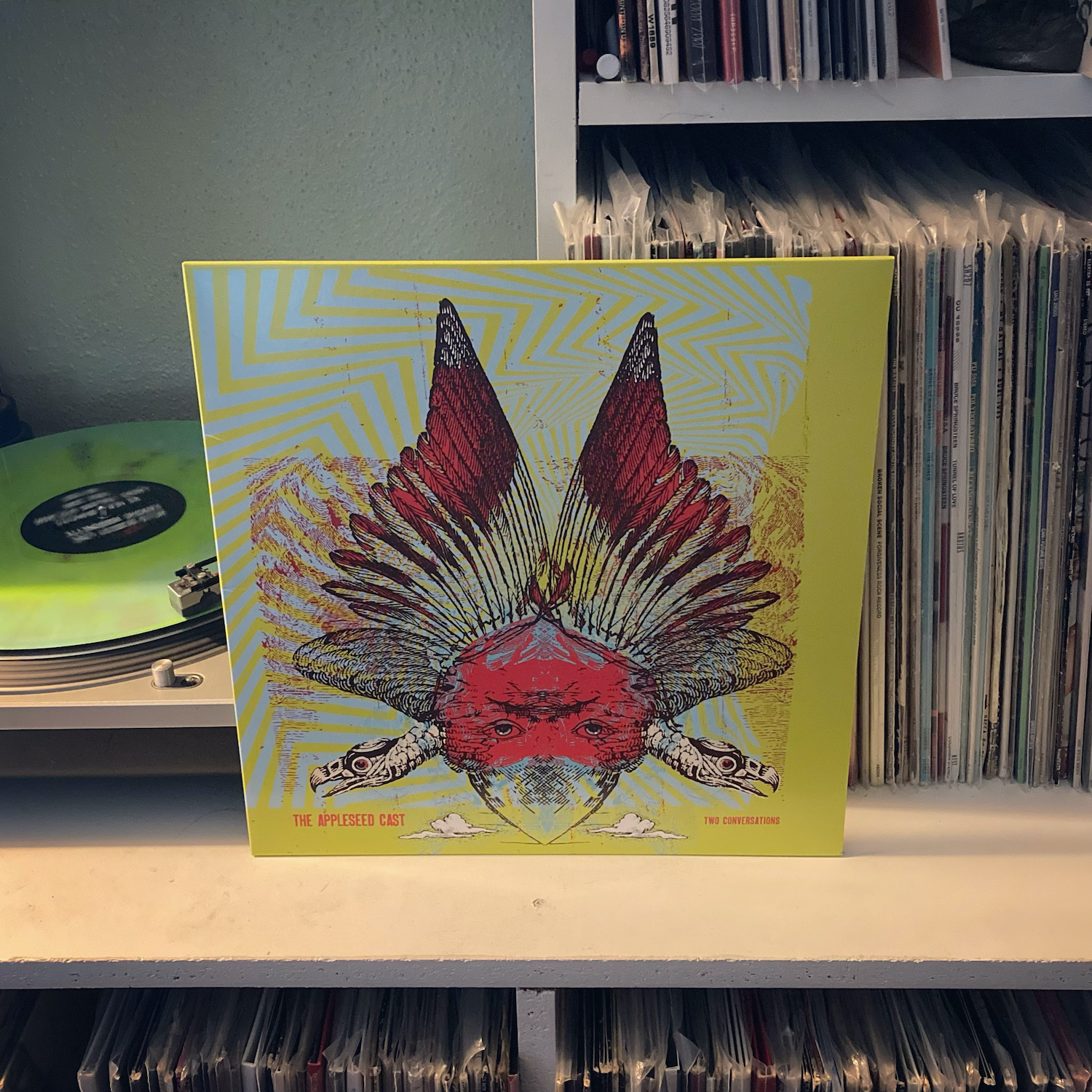
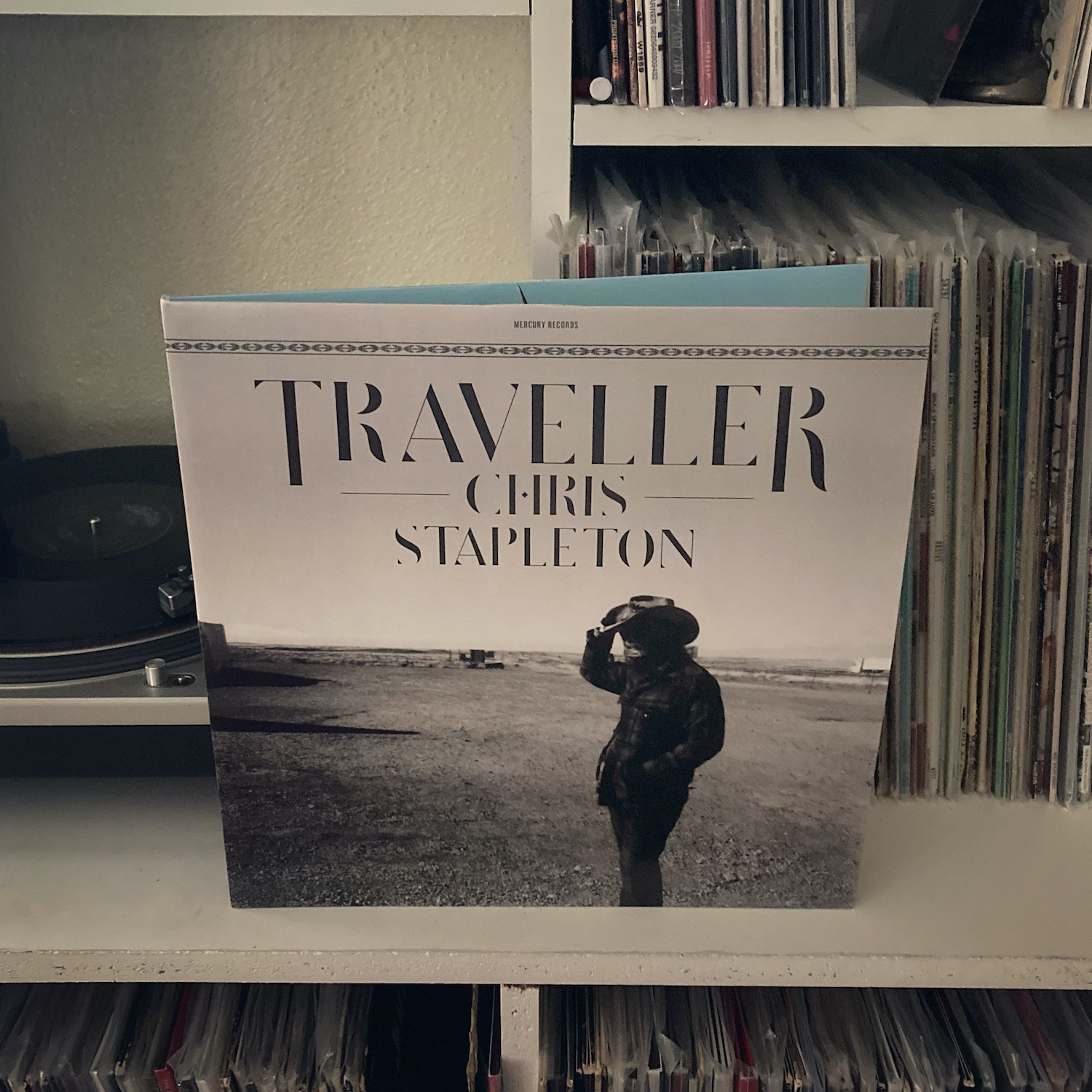
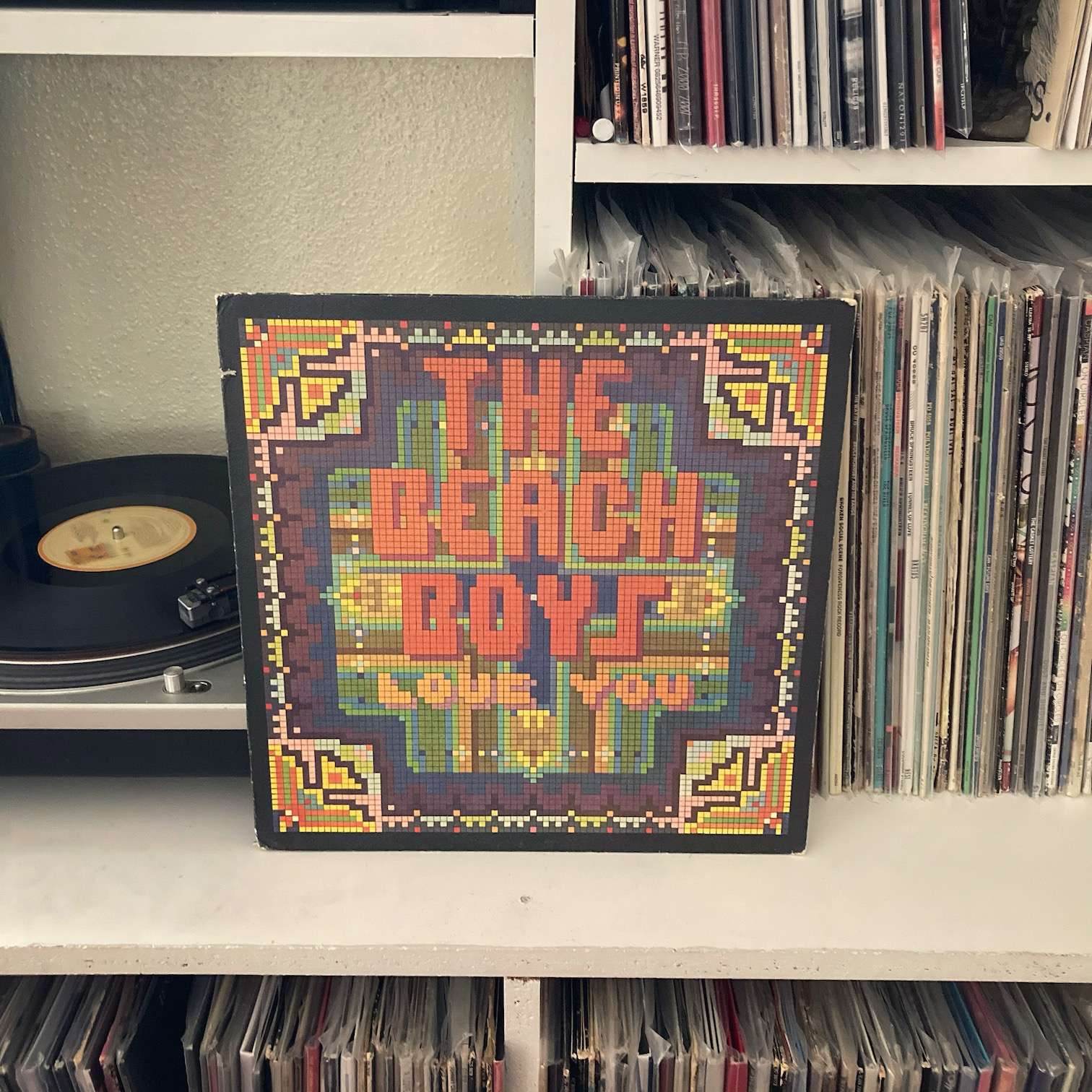
 Across the history of popular music, few minds have created music as beautiful, infectious, and moving as that of Brian Wilson. But that mind was also intensely fragile, leading to bouts with mental illness that were so serious he had to withdraw from the creative process, often for years at a time.
During one such stint, Brian’s psychiatrist encouraged him to combat his idleness by working on new music. The resulting project (originally intended to be a solo record) is one of the strangest entries in the Beach Boys’ extensive canon. But for all of its absurdity, it is incredibly rewarding for anyone who accepts it on its own terms.
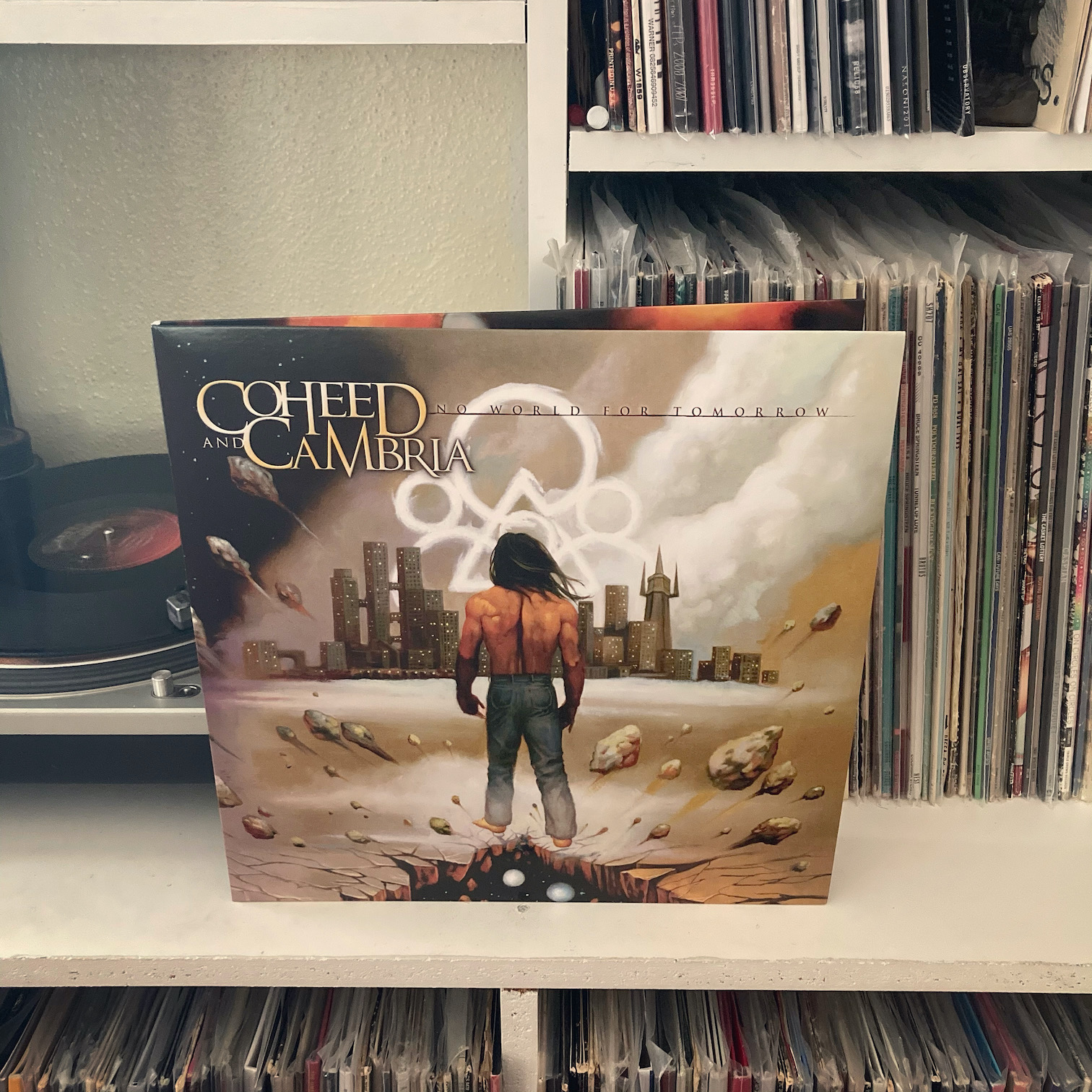 Coheed & Cambria attracts a lot of criticism for their… whole deal. Sci-fi prog rock concept albums based on a comic book written by the lead singer who then sings about genetic wars and space armadas in an androgynous elf voice isn’t exactly a recipe for mainstream success. But at their best, Coheed has a gift for wrapping these weirder elements up in sugary sweet pop hooks and classic rock tropes.
 Looking back, it makes no sense that
  One of the more interesting things about music to me is how we attempt to categorize and classify according to imperfect terminologies—and more specifically, how that terminology changes over time.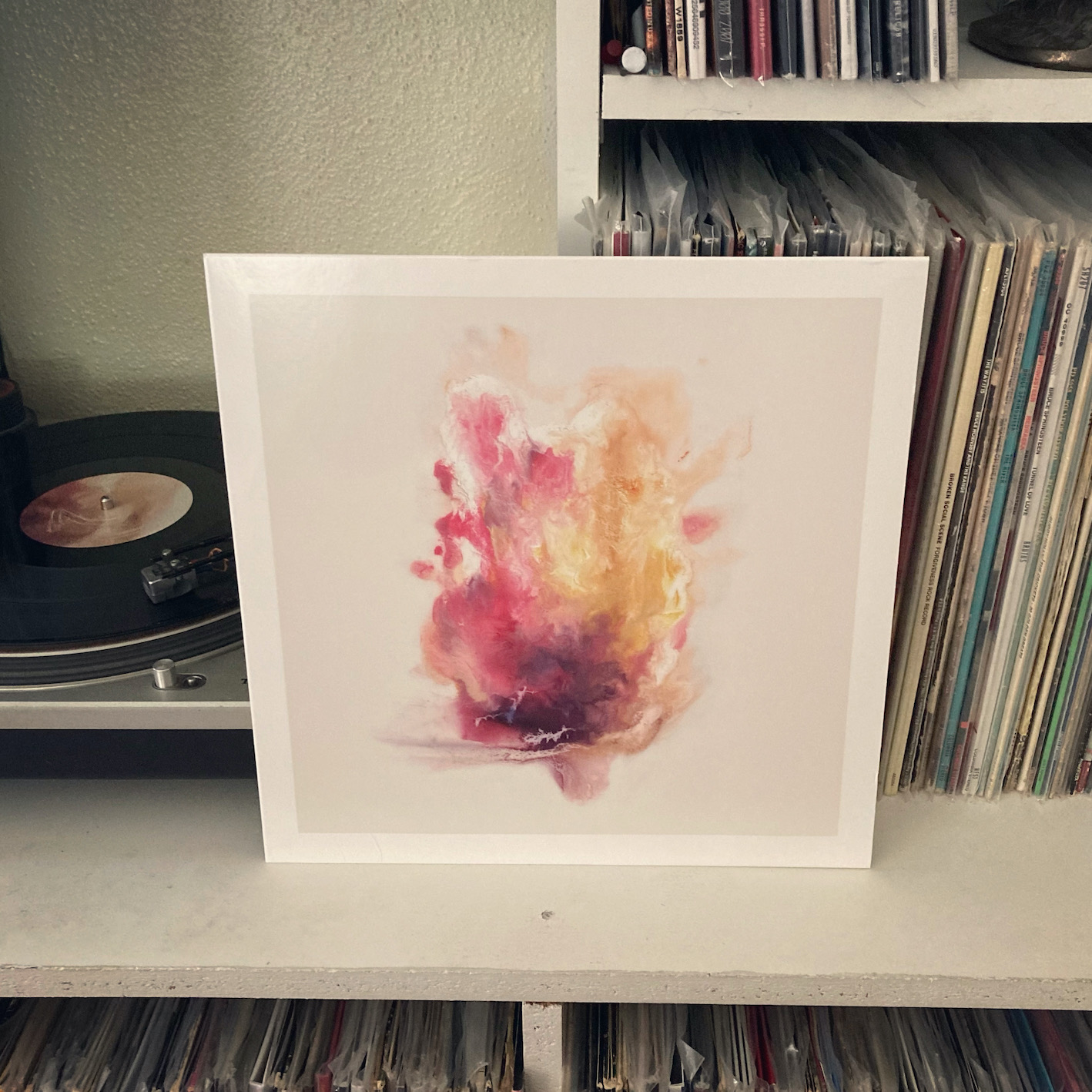
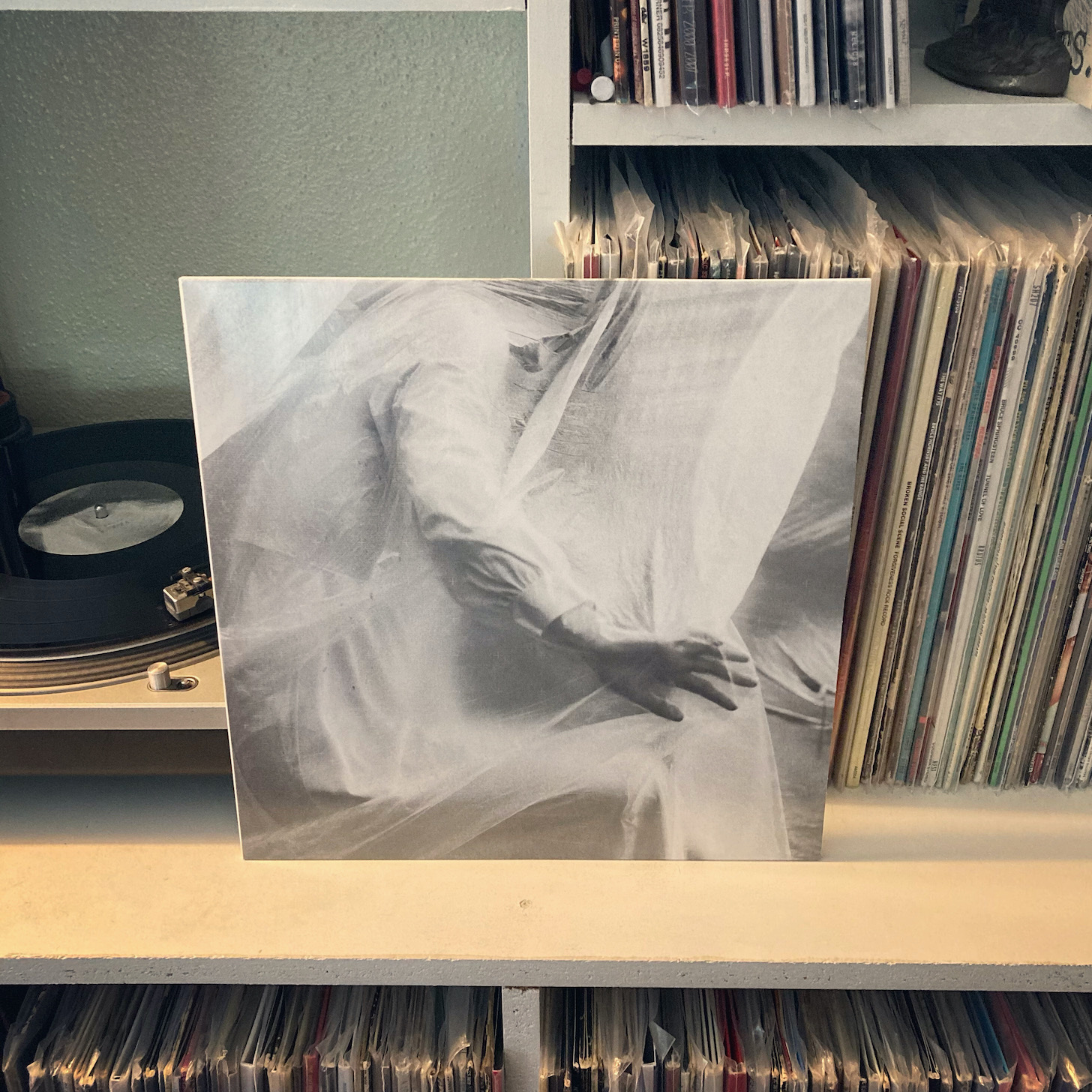
 It feels bizarre to remember now, but by the time 2000 rolled around, many people had felt that the emo scene was already waning—after all, Sunny Day Real Estate had already broken up and had a reunion. Mineral had been defunct for two years. And even those stalwarts were considered to be latecomers—and even imposters—to a scene rooted in emotional hardcore bands like Rites of Spring and Embrace.