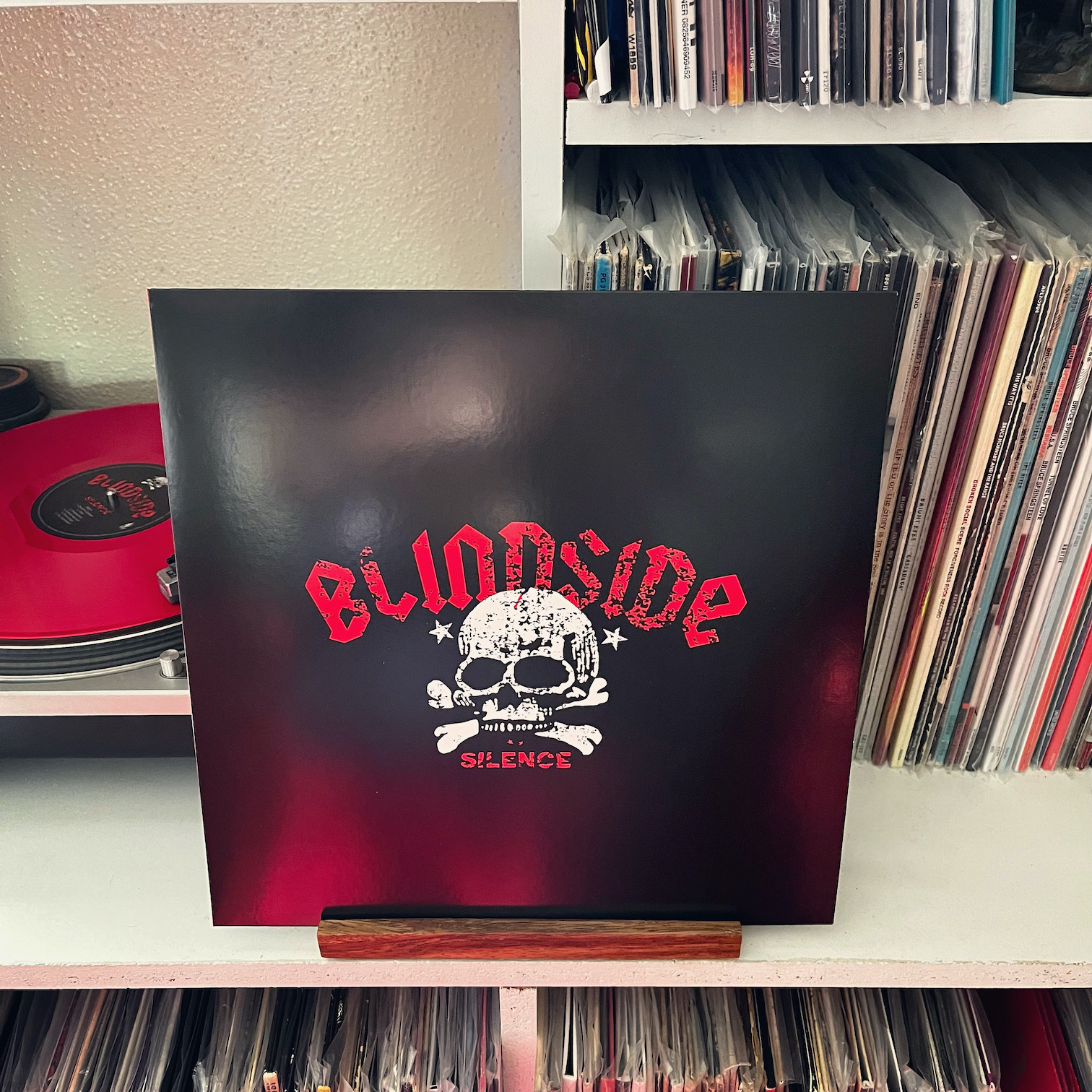
Everyone talks about how the internet has made the world smaller, but less attention has been given to how it has expanded microcosms into galaxies. Microgenres have become scenes unto themselves, with legions of bands offering sonic homage to a handful of albums.
Where the term “shoegaze” originally referred to a dozen or so bands around London, the sonic explorations they pioneered have created hosts of acolytes making their own pilgrimages through reverb-and-fuzz-drenched guitars. This scene has further bifurcated itself, with further microscenes forming within the context of an already niche genre (see: dreamgaze, heavy shoegaze, blackgaze, doomgaze, dreamo and more).
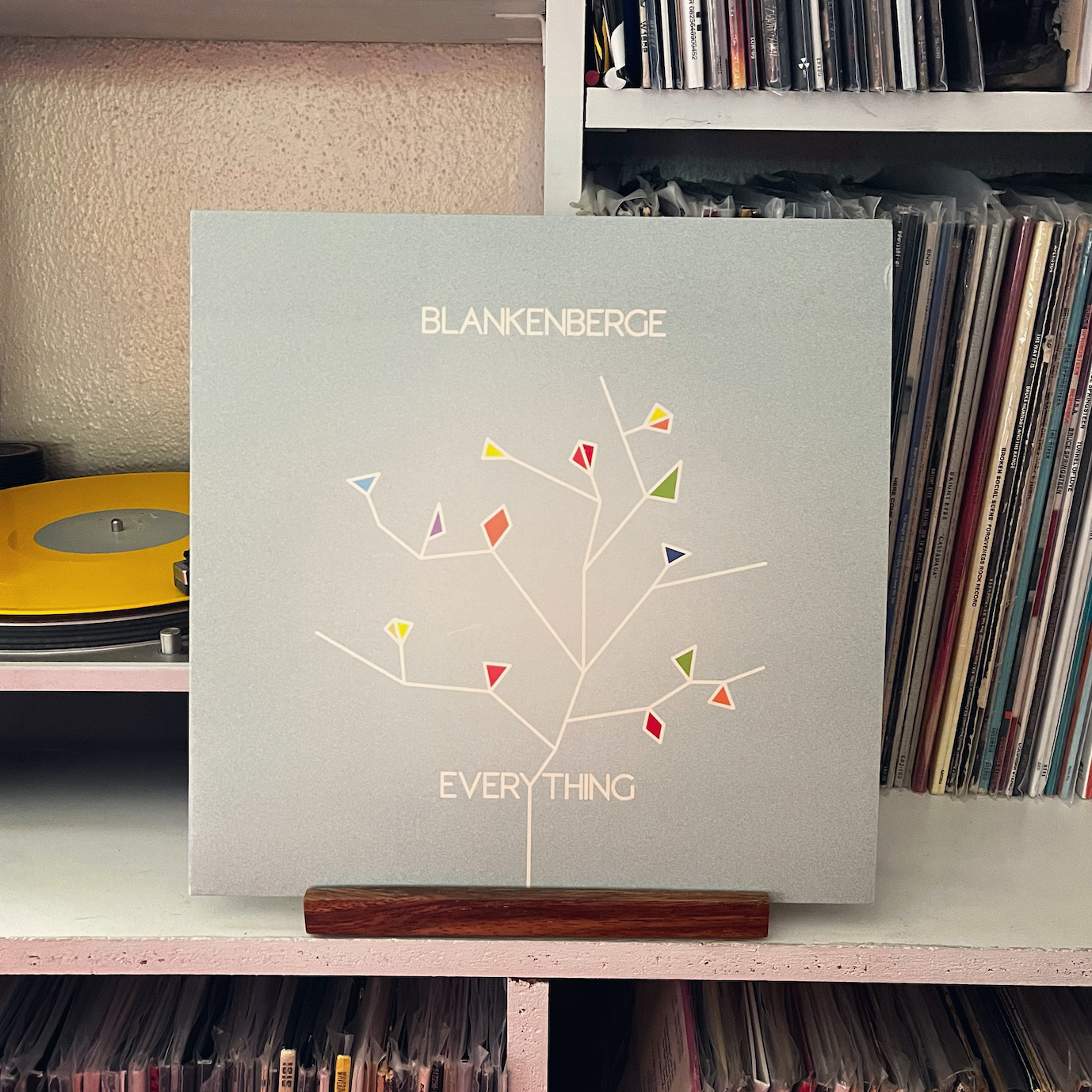
One of the more fascinating microscenes I’ve discovered is the Russian shoegaze scene, which is comprised of bands like Life on Venus, Pinkshinyultrablast, and Blankenberge, whose album Everything is quickly becoming a favorite of mine.
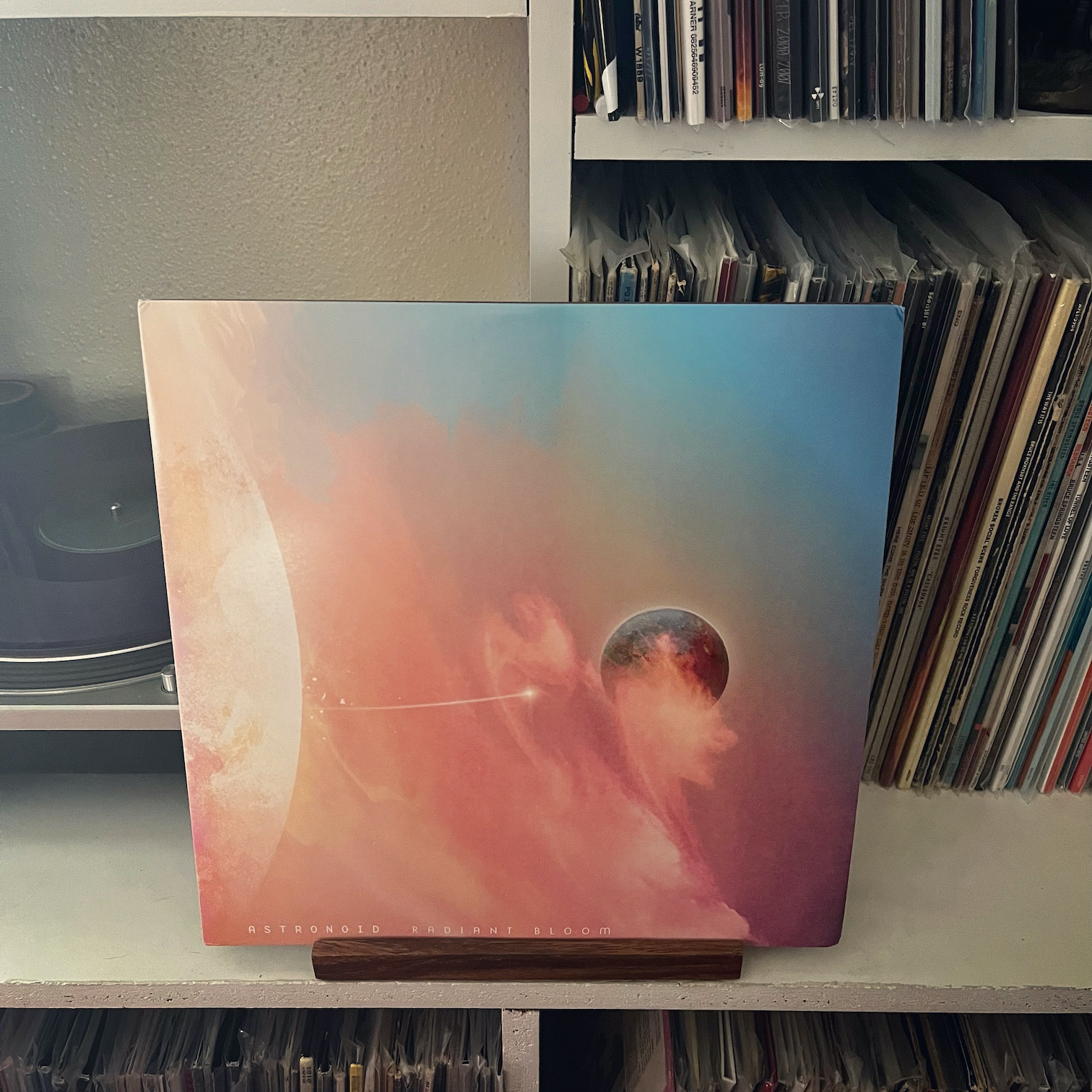 I have a working theory that in any piece of music, most lay listeners primarily hear the vocals. The strongest case for this idea was at Furnace Fest ’21, where the “dream-thrash” band Astronoid, a band known for their blistering riffs, fiery solos, and blastbeats galore were booked on the stage reserved for the quieter bands.
 There’s an old quote that goes something like, “writing about music is like dancing about architecture.” I generally disagree with that maxim—given the amount of time I spend doing just that. But sometimes, it hits the bullseye of my inadequacies. And when it comes to describing Brutus, that bullseye is a mile wide.