 Bjork has become kind of a punchline in recent years. And if we’re honest, both the fae princess schtick and her increasingly experimental electropop are pretty rife for parody.
But before the swan dresses and coy word salad interviews, we have to remember why Bjork was thrust into the spotlight in the first place—and that reason is her brilliant sophomore record Post, an album sharpened to such a bleeding edge that it still sounds modern two decades later.
Record #935: Hällregn – Varför Dröjde Du Så Länge? (2017)
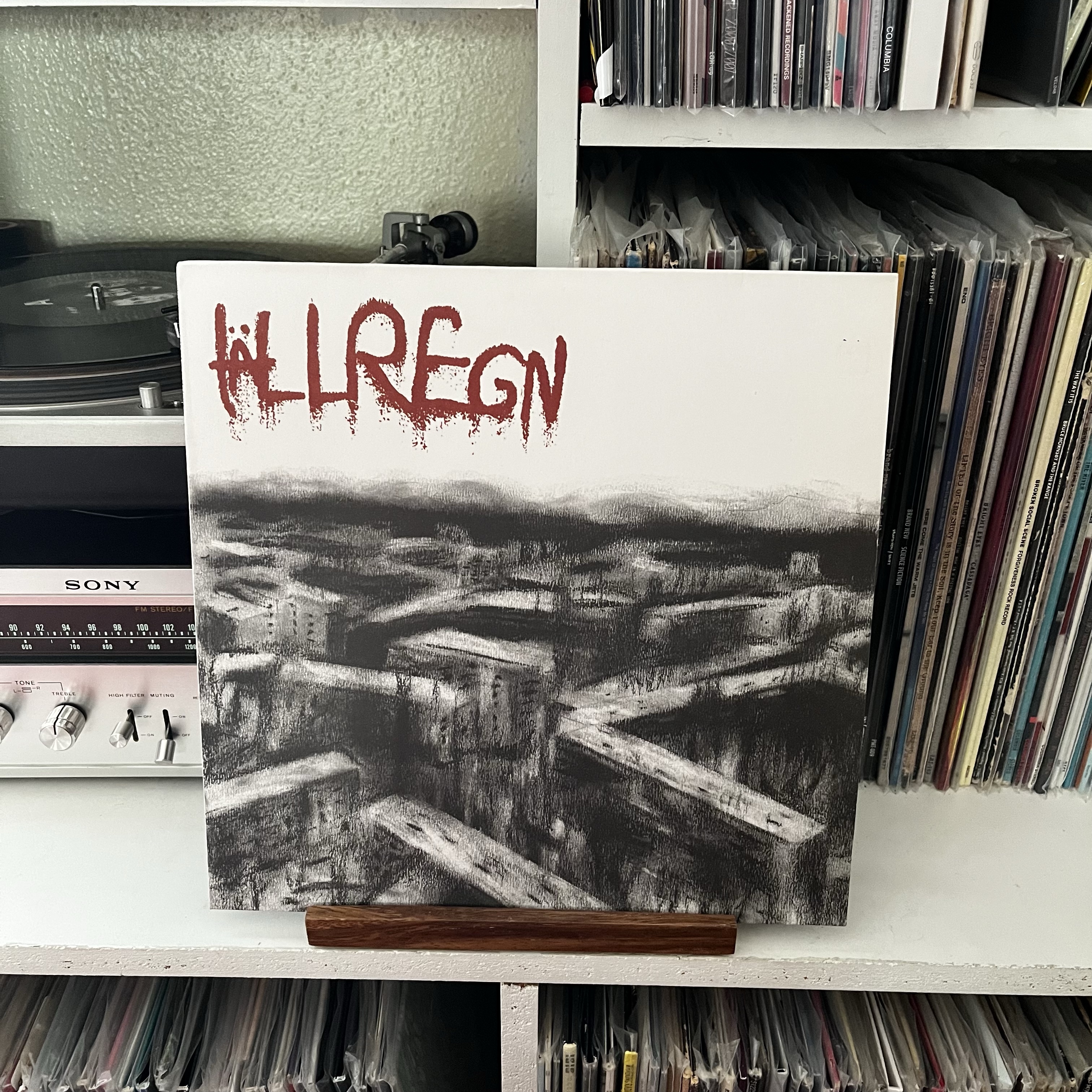 When my family and I made our first excursion into Stockholm proper, I stepped off of the train in Old Town and was immediately greeted by a flier advertising a fifty percent off record sale. I wasn’t about to abandon everyone to go record shopping, but the more time we spent in town, the more I saw these fliers popping up.
Finally, our last day in the city, we found ourselves in the neighborhood with the shop. I decided to split off to find this much-advertised sale and meet up with them later. I found the shop, tucked into a cobblestone alley up a steep set of stairs, and set to digging.
This cover art, from a band called HÄLLREGN (pronounced like Hell Rain, meaning torrential downpour) caught my eye. When the shopkeeper offered to play me a sample, I was surprised that despite its dark, foreboding album art and the band name written in what seemed like blood, it sounded like what would have happened if the Go-Gos were punkier, and also Swedish.
Record #934: Candlemass – Epicus Doomicus Metallicus (1986)

As they say, when in Rome, do as the Romans do. When in a metal record store in Stockholm’s old town, you buy one of the most important records Sweden’s considerable metal scene.
I had been meaning to buy a copy of Candlemass’s legendary debut for a while now anyway. But when I discovered that they’re from Upplands Väsby, the Stockholm suburb where my brother-in-law’s family lives and was hosting us—it felt like destiny.
Epicus Doomicus Metallicus isn’t the first doom metal record—Black Sabbath deserves credit for that over a decade previously (a point that the clerk at Sound Pollution and I made at the same time). But this record was the first to give it a name, and established a pretty sizable portion of its aesthetic.
Record #933: Aussitôt Mort – Discographie (2011)
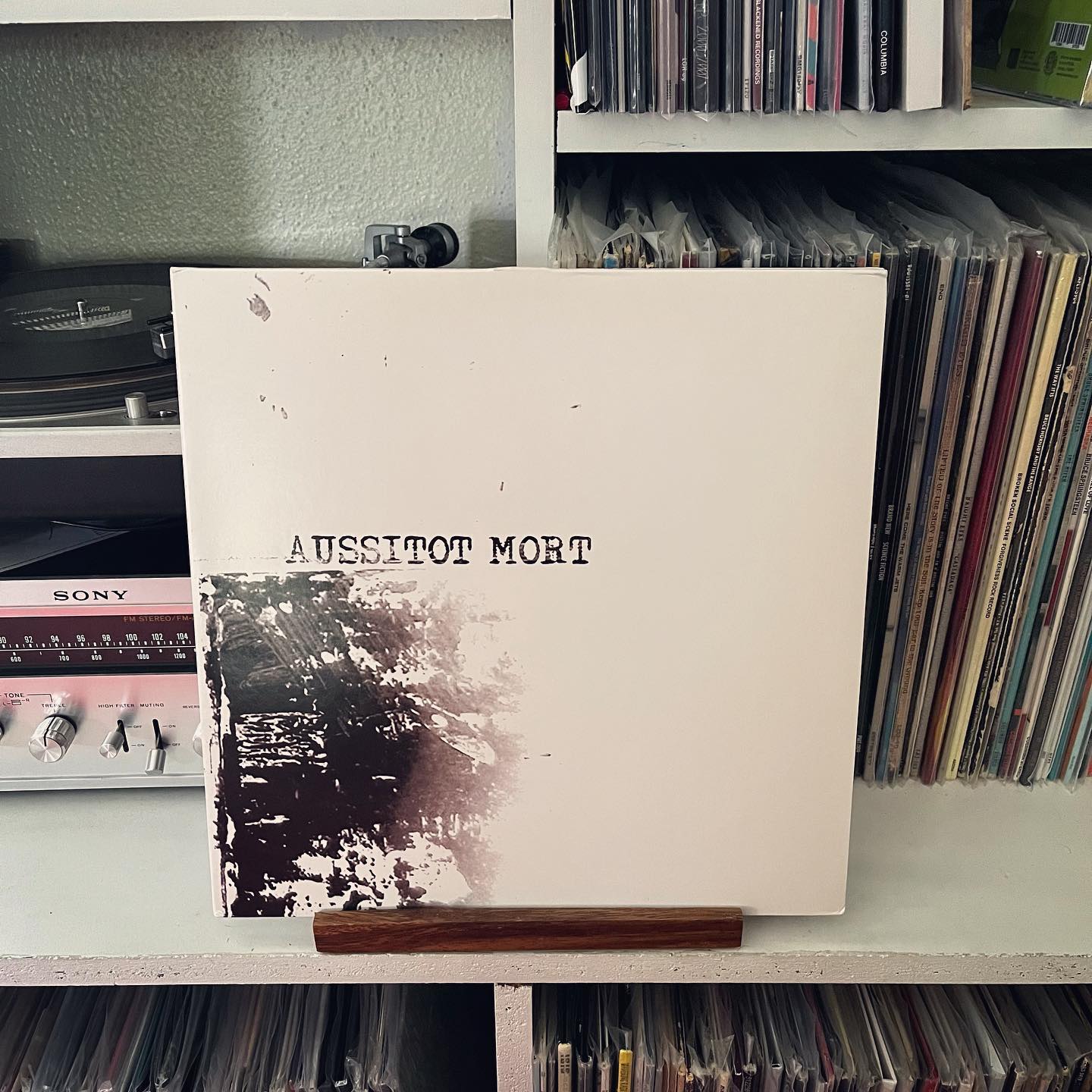 If you’ve been following along at home, you’ll remember that I recently realized that I like skramz. That brings up a problem though: there’s an awful lot for me to catch up on.
Luckily, most albums in the genre don’t get past the thirty-minute mark. Double luckily, French outfit Aussitôt Mort (translation: As Soon as Dead) released this compilation of their first two releases in a handy package that clocks in just over an hour. While compilations aren’t my first choice (especially when the album art for Montuenga is so good), it’s hard to complain about this collection of songs that combine the blistering passion of screamo with elements of post rock and sludge metal.
Record #932: Black Sabbath – Heaven and Hell (1980)
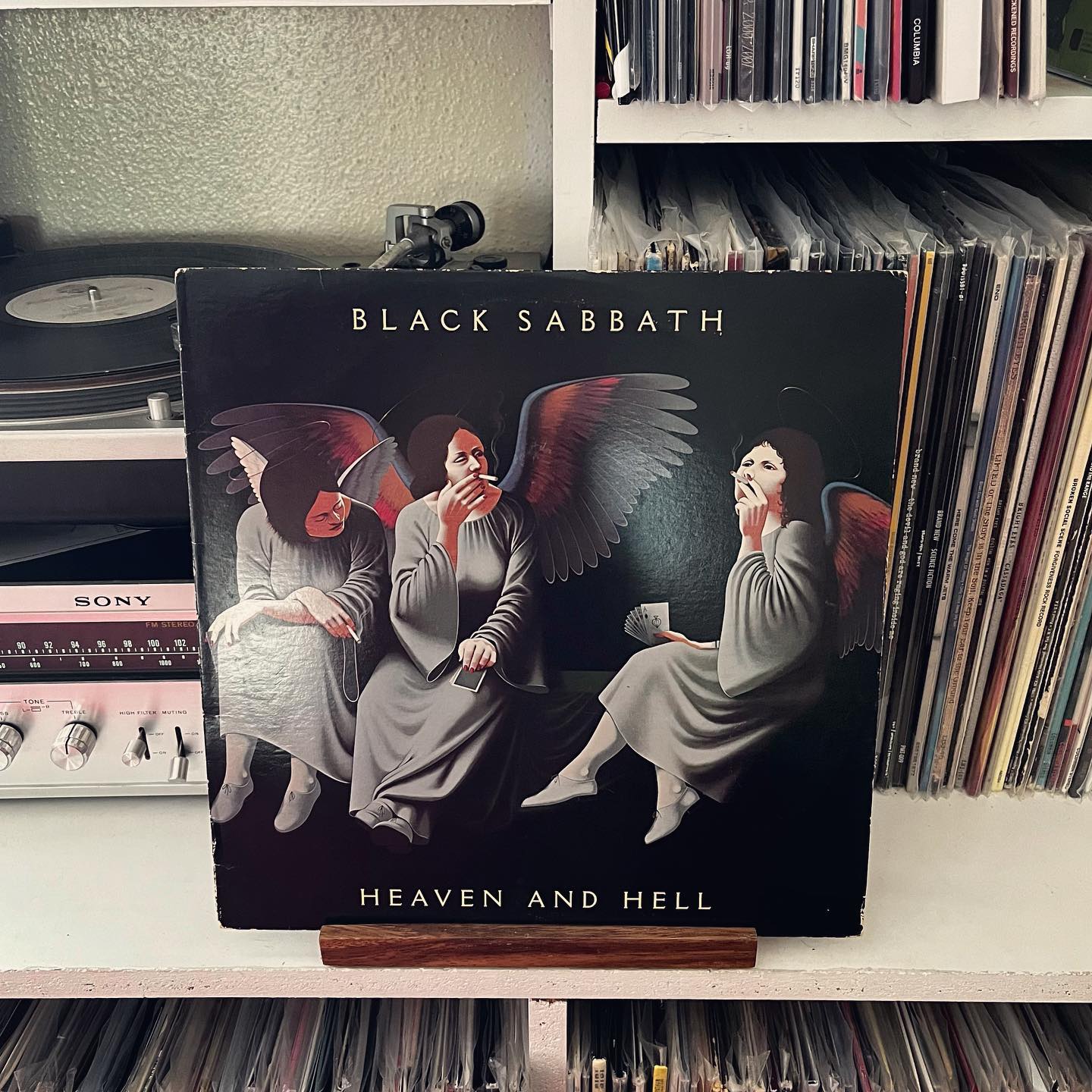
There’s no question that Black Sabbath is one of the most important metal bands—nay, bands, period—in the history of recorded music. But for most fans, that legacy comes with a few asterisks.
The first six records are universally regarded as essential and indelible classics. After that, it gets a little fuzzy. Between the unmoored experimentation of the late Ozzy era to the frequent lineup changes in the decades to follow, later Sabbath is a bit like panning a spent river for gold.
However, there is one bright and shining nugget of an exception in the throng of so-so releases: Heaven and Hell, the first record to feature new vocalist Ronnie James Dio. His arrival brought an irrefutable shot of energy to the legendary metal outfit, bringing their best record since Sabotage.
But there’s a pretty big problem with this record: it just doesn’t sound like Black Sabbath.
Record #931: Lesser Care – Underneath, Beside Me (2022)

It doesn’t seem like post-punk and hardcore would have much to do with one another. Besides both being offshoots of punk, they went in very different directions. Post-punk took a more cerebral approach to punk’s minimalism, while hardcore turned up the volume and the violence. To anthropomorphize them a bit, if you took them to a party, post-punk would spend the night leaning against the wall and silently people-watching while hardcore would be drunkenly rough-housing.
But despite the disparate gaps in personality and ethos, there is a common ground to be found. Take for instance El Paso newcomers Lesser Care, whose debut combines the insular, brooding aloofness of post-punk with a pent-up aggression that is palpably a few moments away from bursting.
Record #930: Boris & Uniform – Bright New Disease (2023)
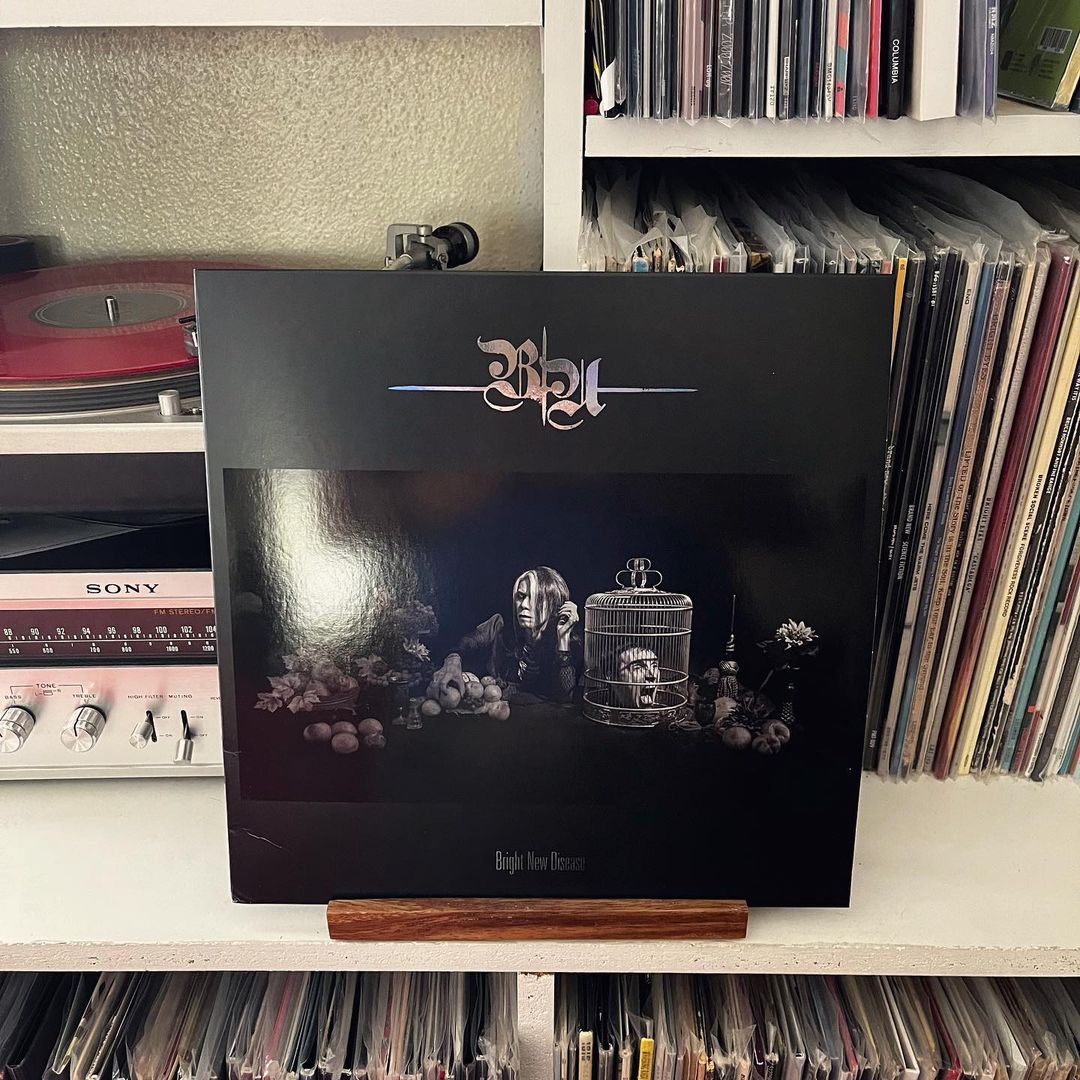
You never know what you’re going to get with Boris. While they have a few go-to tendencies—such as their propensities toward drone, noise, and doom, they stray far and often from these touchstones.
And so, even as much as I love Boris, I really shouldn’t blind-buy any of their albums. Especially collaborative albums. Especially collaborative albums with bands I don’t know.
Still, while Bright New Disease sounds almost nothing like what I was expecting it to, there is a feral energy here that is as compelling as it is abrasive.
Record #929: MØL – Diorama (2021)
 I’m not sure exactly who it was that drew such rigid lines around metal. While pioneers like Sabbath and Maiden were wide open to other influences, somewhere along the lines, metal shored itself up and went to war with other music. It’s not just softer styles either—metal fans and hardcore fans often come to blows with one another. Even subgenres within metal itself have split into warring factions.
But there is a growing movement in heavy music in the last decade or so to lay down the purity tests and elitism and infuse a wider range of influences into their work. One of the most exciting acts in this realm that I’ve discovered is the Danish quintet MØL. While they might lazily be tossed under the blackgaze umbrella for lack of better categorization, there’s a lot more going on here than Alcest worship.
Record #928: Amulets – Blooming (2021)
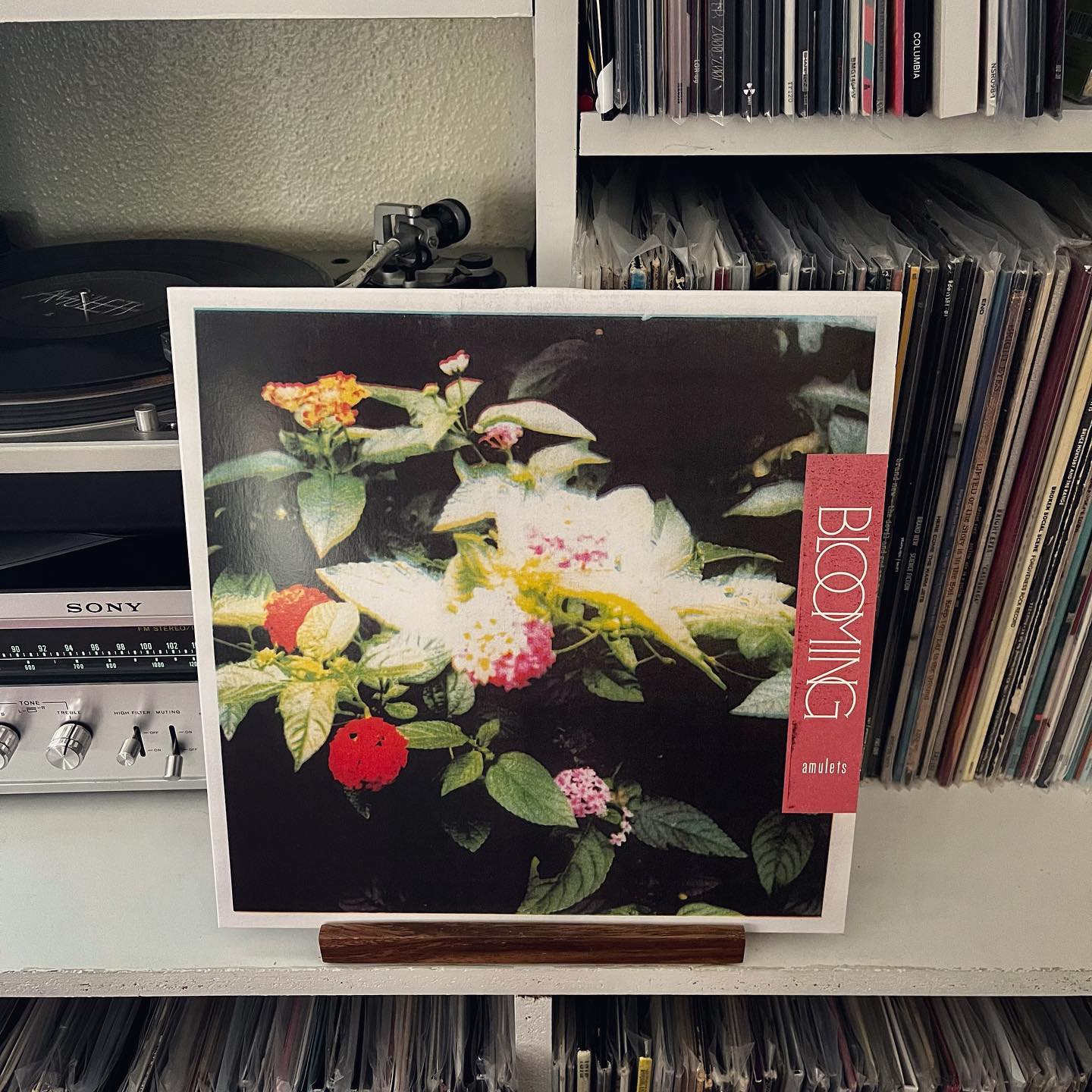
Ambient music isn’t typically noted for being accessible. The sheer textures and static atmospheres often eschew the most basic elements of melody and rhythm in favor of defiant non-movement. Notes are stretched to infinity, filling a room with sound like a beam of light shining through a window. It is often, by very nature, devoid of emotional resonance or what the common man might consider musicality.
And by reading the descriptions of Amulets’ 2021 record Blooming, you might expect the same thing. There’s a lot of talk about manipulated art installations and endless sound scapes, tape loops manipulated and magnifying the imperfections of the technology.
But while Blooming is certainly a patient and cerebral bit of ambient music, there is a deep emotional core that gives these eight tracks more weight than your typical ambient fair.
Record #927: The Get Up Kids – Eudora (2001)
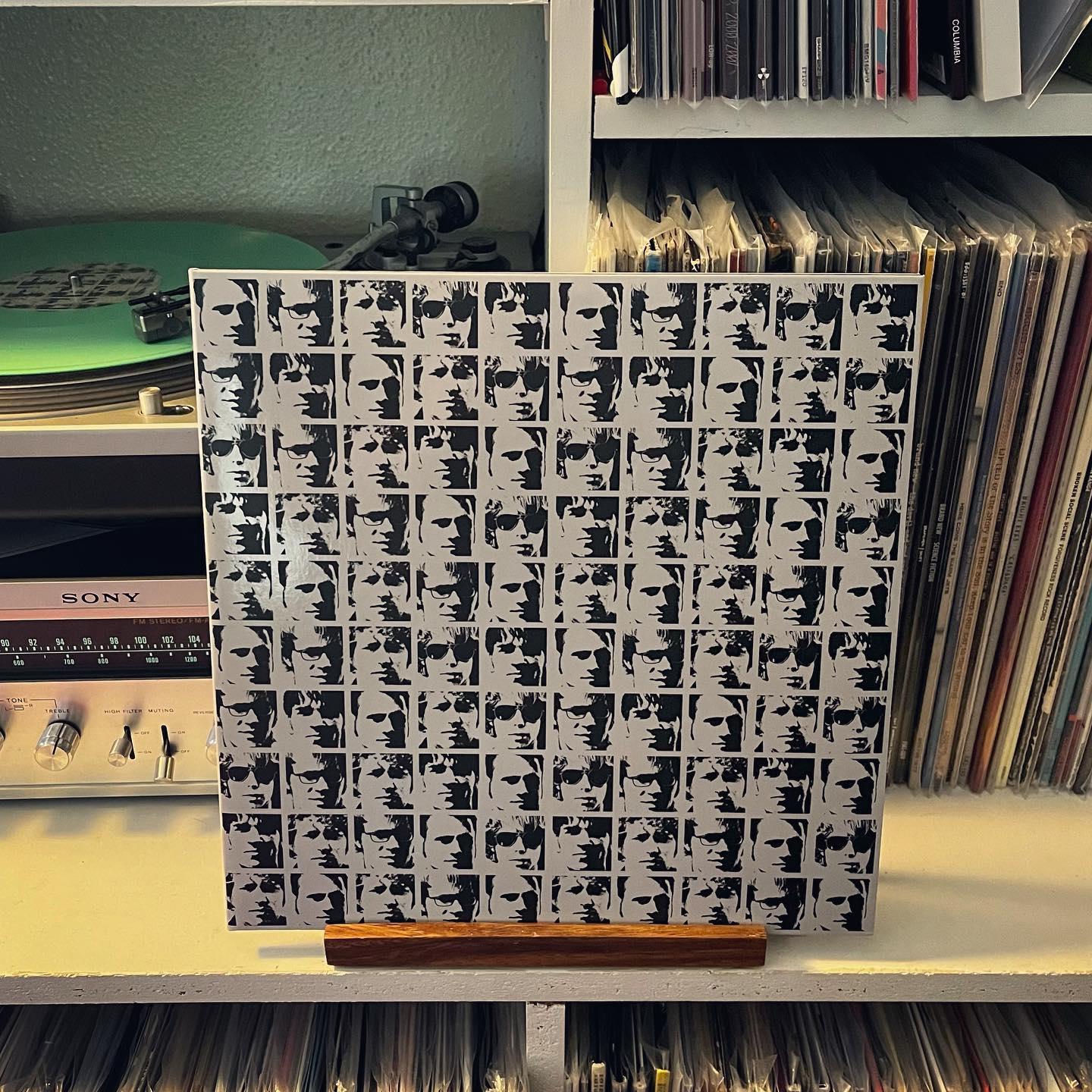
I’ve previously said that I wasn’t a huge Get Up Kids fan as a teenager. There was a single reason for that: nothing could top my entry to the band, which was this, the Eudora compilation, which I bought specifically the track “Central Standard Time,” which is a top ten emo song, and spun on repeat for months at a time. As great as their studio albums were, nothing else grabbed my attention like this compilation.
As for why I hadn’t purchased this record until this week though, I can’t tell you that.