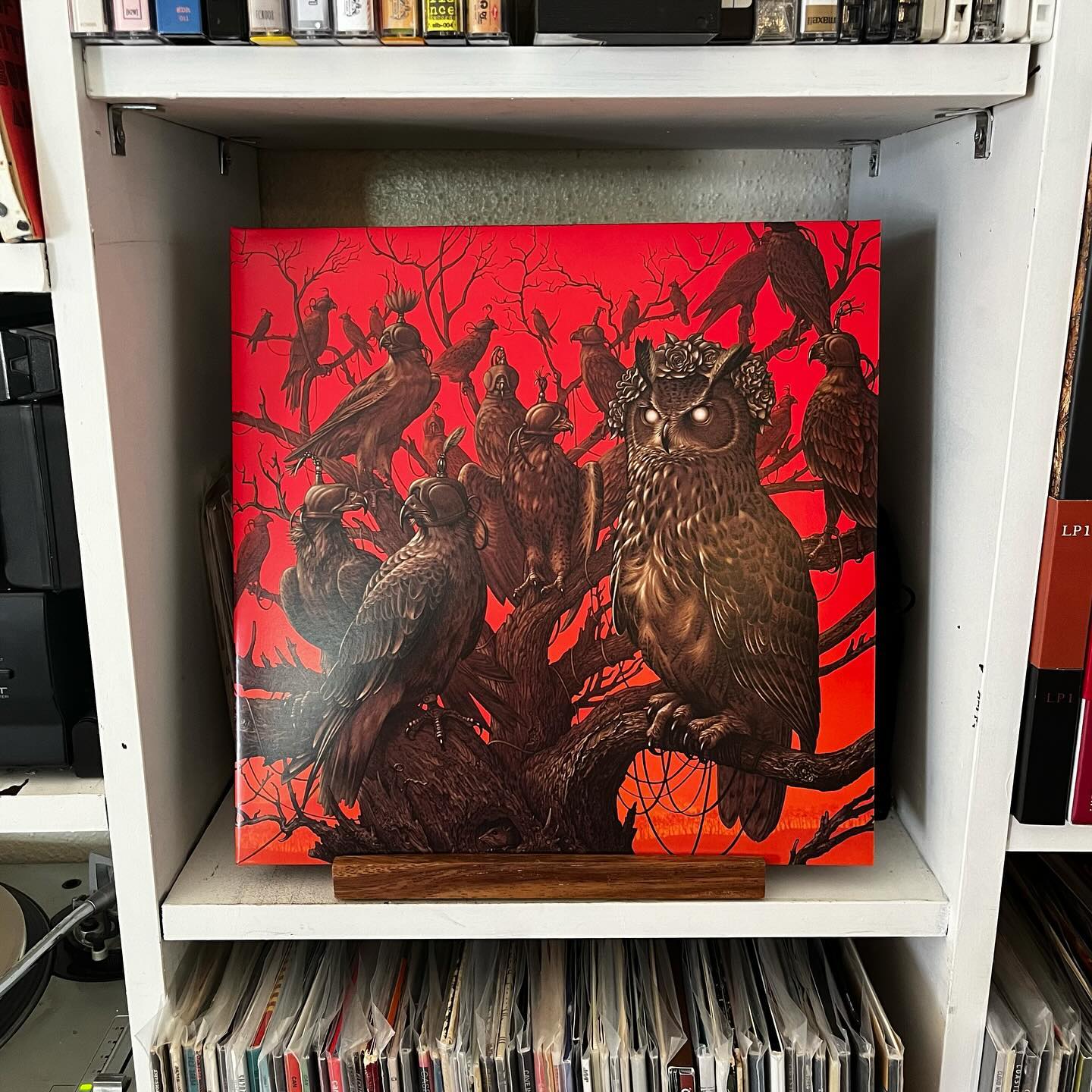
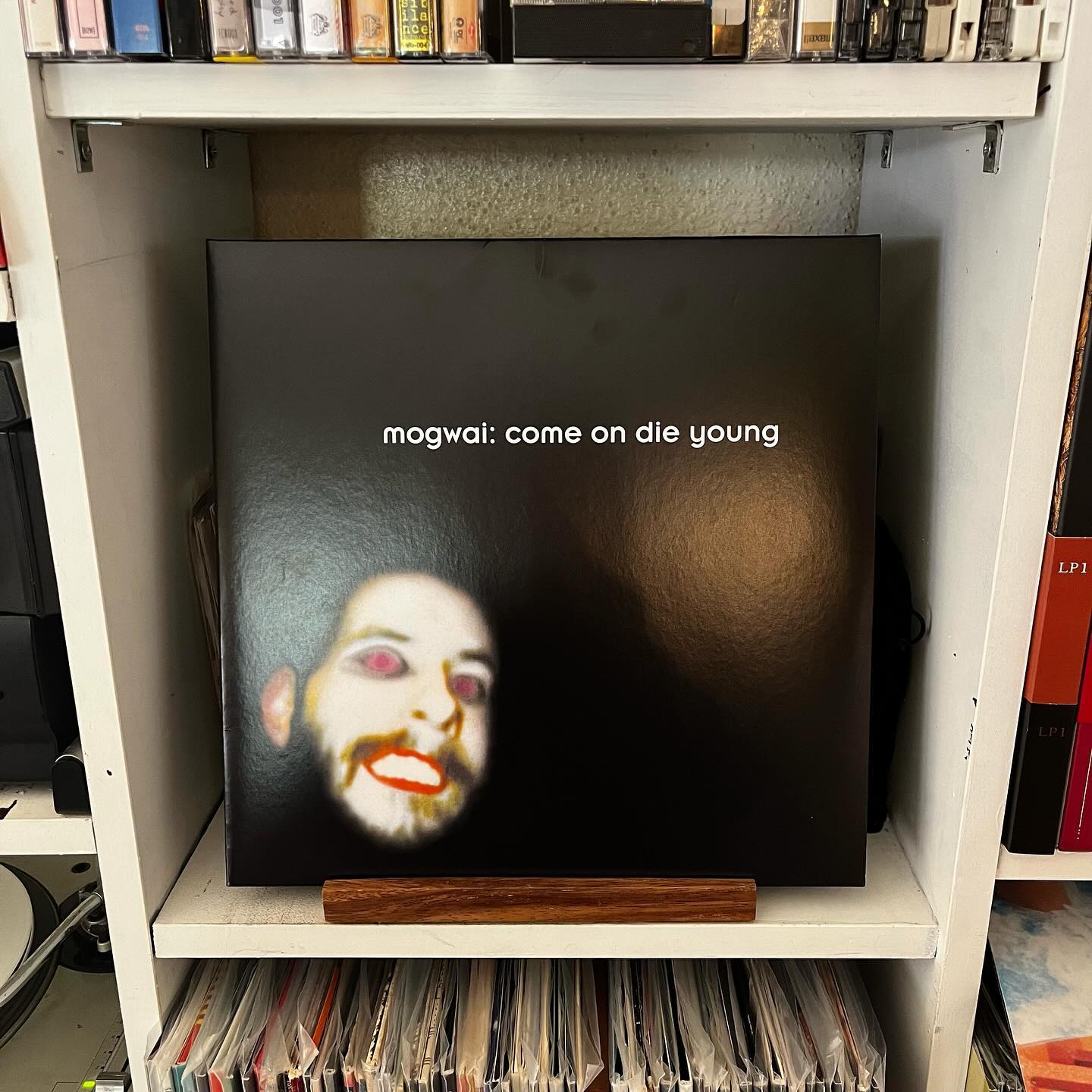
 It’s hard to overstate just how pivotal a release Young Team was. Before that record, the term “post rock” was used to describe a large variety of vaguely experimental groups that drew more from Krautrock and jazz than pop rock traditions: bands like Tortoise, Bark Psychosis, June of 44, even Stereolab.
On the other side of that record though, the term conjures images of heavily effected electric guitars and dramatic songwriting. It was such a sea change that as more bands started using those building blocks to similar effect, they were lambasted as Mogwai ripoffs.
Mogwai themselves seemed conscious of this, and sought to distance themselves. Their sophomore record is still mostly instrumental guitar-based music, but their penchant for increasing the dynamics of the songs until they break apart is largely gone.

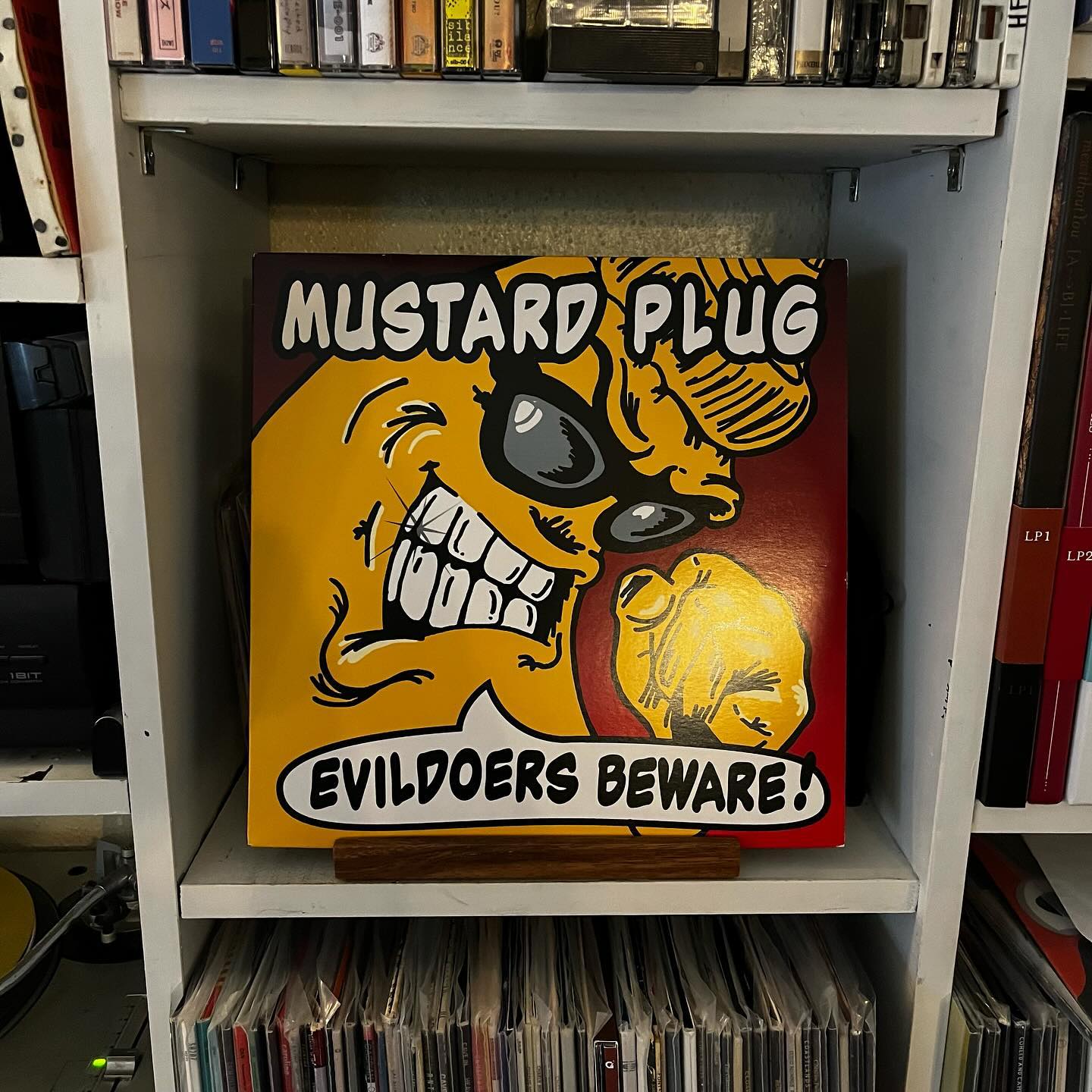 For the better part of the last decade, I have been the frontman for a ska punk band called
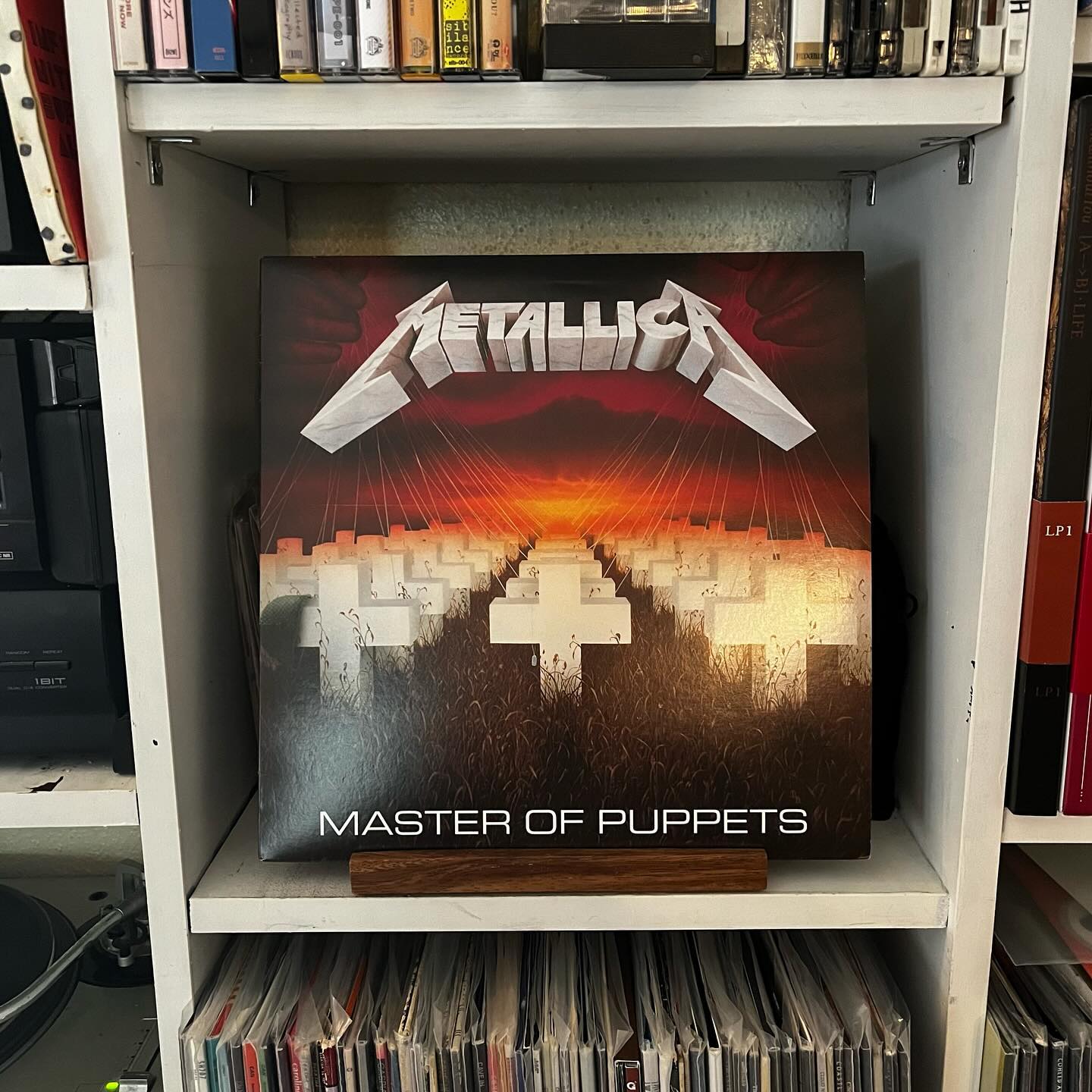
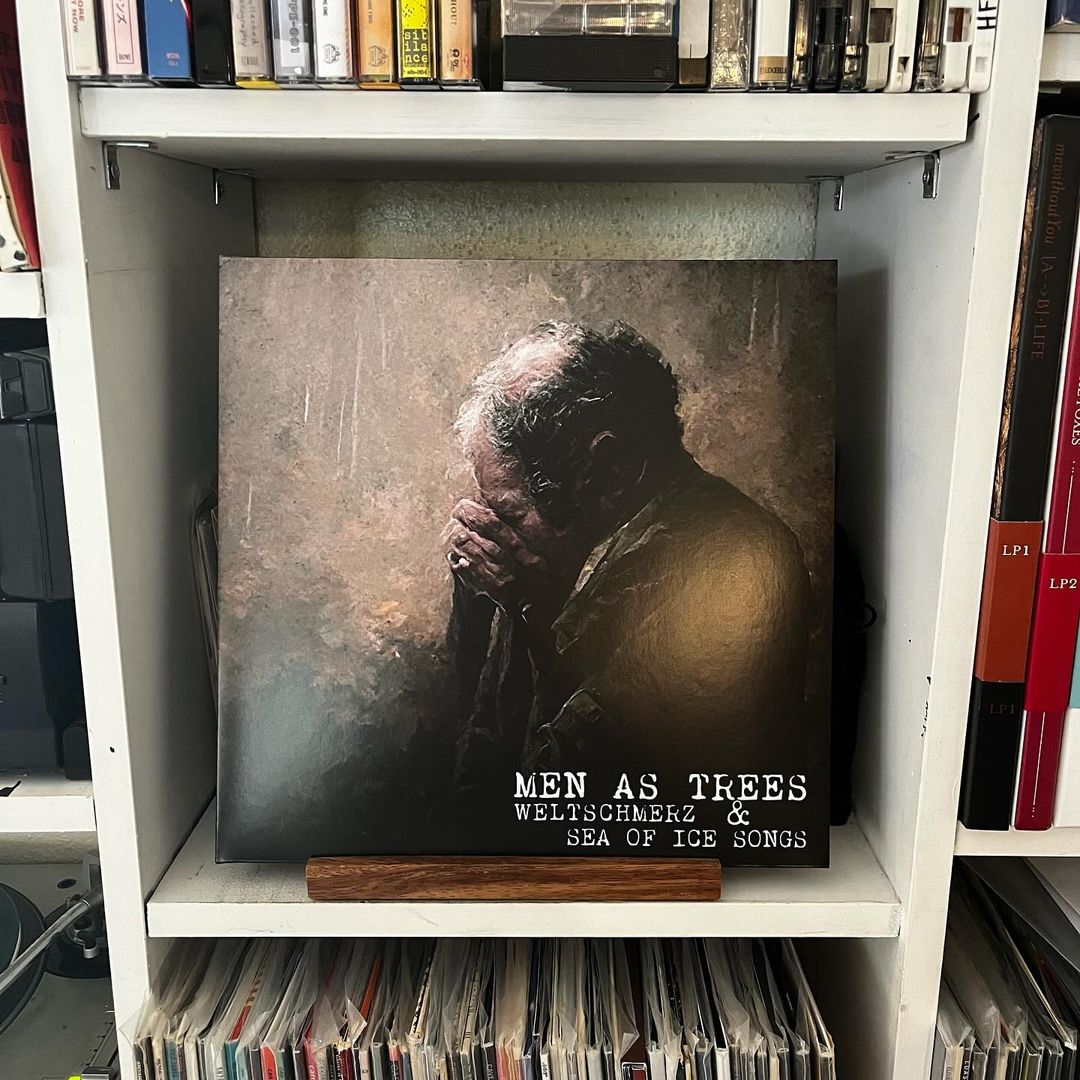 As I’ve written before, I have mostly ignored skramz until I just recently discovered that there’s actually a lot of skramz that I
 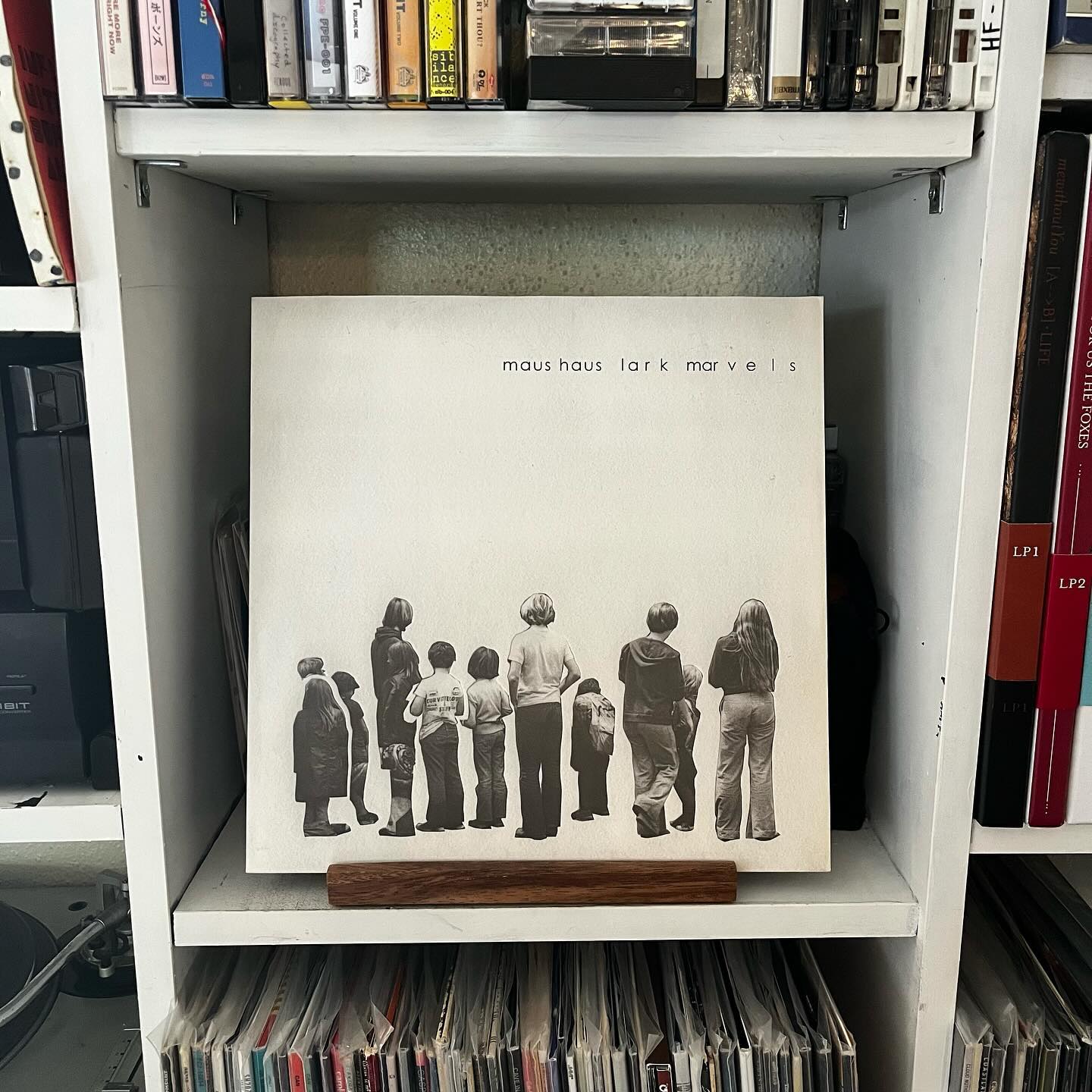 For one brief and wonderful period in the early days of the Millennium, indie rock merged together with ’60s psychedelic and ’90s lo-fi to create a fearless and fresh sound that lived somewhere between synthpop, jangle pop, and dance punk. MGMT were certainly the standard bearers of the movement, but its territory stretched from Grizzly Bear to Animal Collective. Heck, even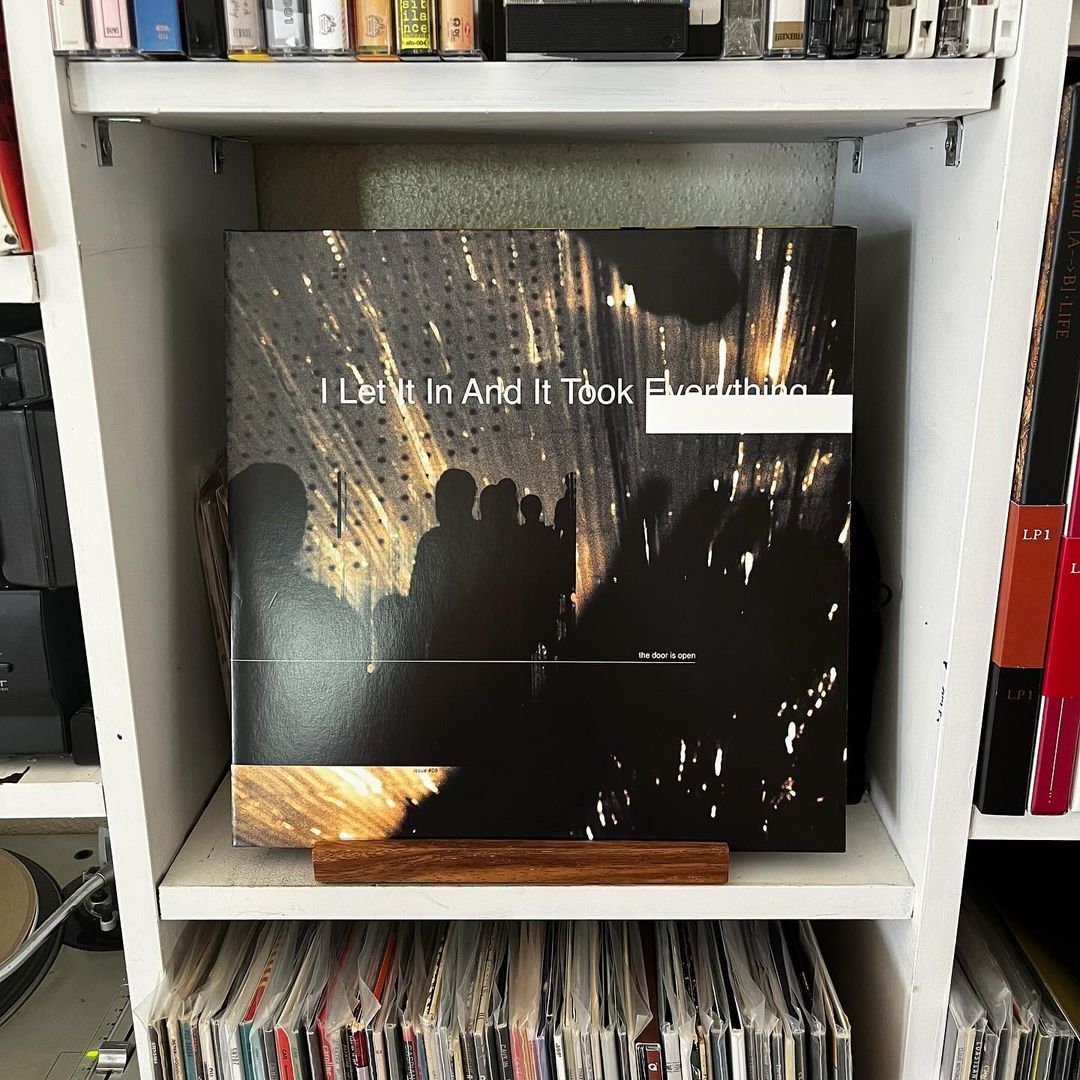
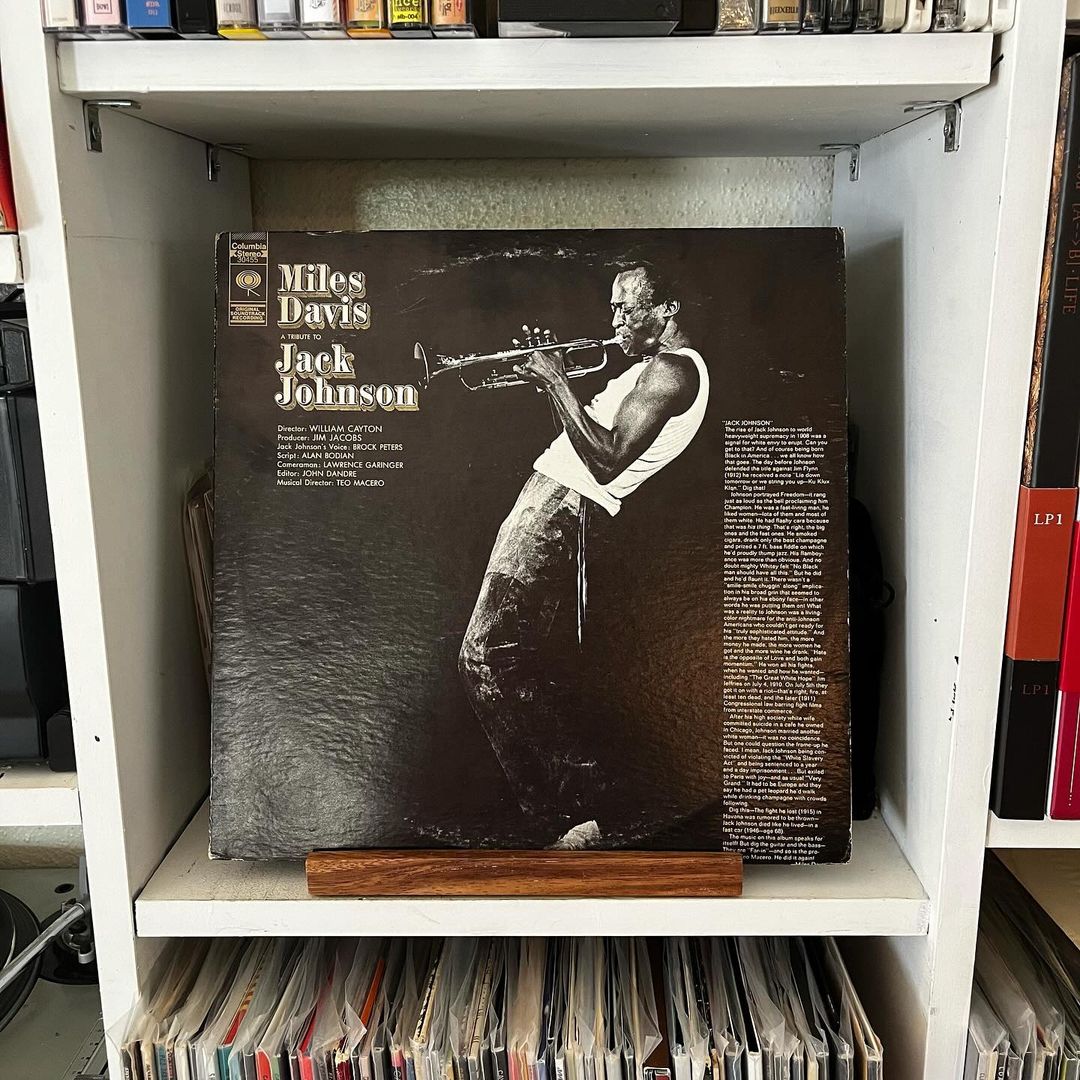 Jazz is a difficult realm for completionists—especially when you’re dealing with cats like Miles Davis. Jazz players were notorious for recording everything, and almost all of those records have something notable to justify collecting it. But there’s so much to sort through.