It’s always difficult to divorce an artist’s personal life from their work, but music presents perhaps the biggest challenge. And no album may be so tied to the artist as this one…
Two months before the release of Closer, Joy Division lead singer Ian Curtis hung himself in his kitchen at the age of twenty-three. He had been struggling with epilepsy and his marriage for years, and confided in his wife that he had no desire to live past his twenties.
Closer was read like a suicide note, a man’s one last baritone yowl into a cruel world that wouldn’t mourn him. He laments betrayal, isolation, mockery, and more, wringing his deep voice into painful contortions. “No wonder he did what he did,” the listeners said. “He was clearly tortured.”
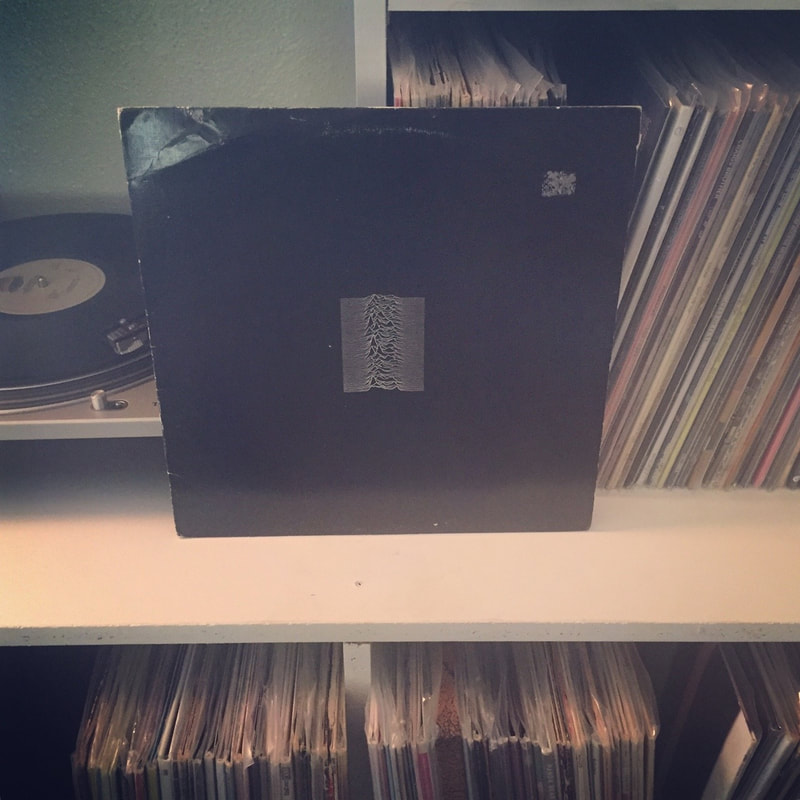
But this isn’t Curtis’s album alone. We would be remiss if we didn’t note the growth of the players behind him since the previous album. Unknown Pleasures might be the more iconic album, but Closer is, by every measure, better written and better played. Bernard Sumner throws himself fully into his noisy riffing on a few songs (especially on “Atrocity Exhibition,” which I don’t think has a single coherent note on the guitar), but he also spends a few tracks completely on the synthesizer. Drummer Stephen Morris and bassist Peter Hook (who famously couldn’t hear Bernard or Ian over himself until he heard the first album) carry this album on their backs with far more surefootedness. They are unmistakably the same band that created the first album, but they cast a shadow that looks an awful lot like New Order, which would form after Ian’s death.
There’s also the dark atmosphere, once more supplied by producer Martin Hannet (which was, again, a sour point with the band). While Unknown Pleasures was written as a punk album and produced as something else, Closer knows exactly what it’s trying to be. It lacks some of the rough edges of the previous album, but with ballads like “The Eternal” and absolute rippers like “Twenty Four Hours,” it’s hard to mourn that change.
In all, Closer is a massively important statement from one of the most important and tragic groups in rock and roll history. It’s telling that New Order’s discography took a very poppy trajectory, because after creating this, they were going to need a whole lot of pop therapy.