 How do you follow up a breakout hit that managed to mix political protest with dancefloor-ready art pop?
If you’re M.I.A., you turn up the dial on every element of your debut and set those suckers to eleven.
How do you follow up a breakout hit that managed to mix political protest with dancefloor-ready art pop?
If you’re M.I.A., you turn up the dial on every element of your debut and set those suckers to eleven.
 As legend has it, in the early 2000s the daughter of a Sri Lankan freedom-fighter slash visual artist named Mathangi “Maya” Arulpragasam (AKA M.I.A.) was introduced to the iconic Roland MC-505 sequencer and drum machine.
Despite having no musical experience of her own, she immediately saw the 505 as a tool to broadcast political messages to a society obsessed with entertainment. She could use hip-hop and dance music as a megaphone to amplify the struggles of marginalized people around the globe.
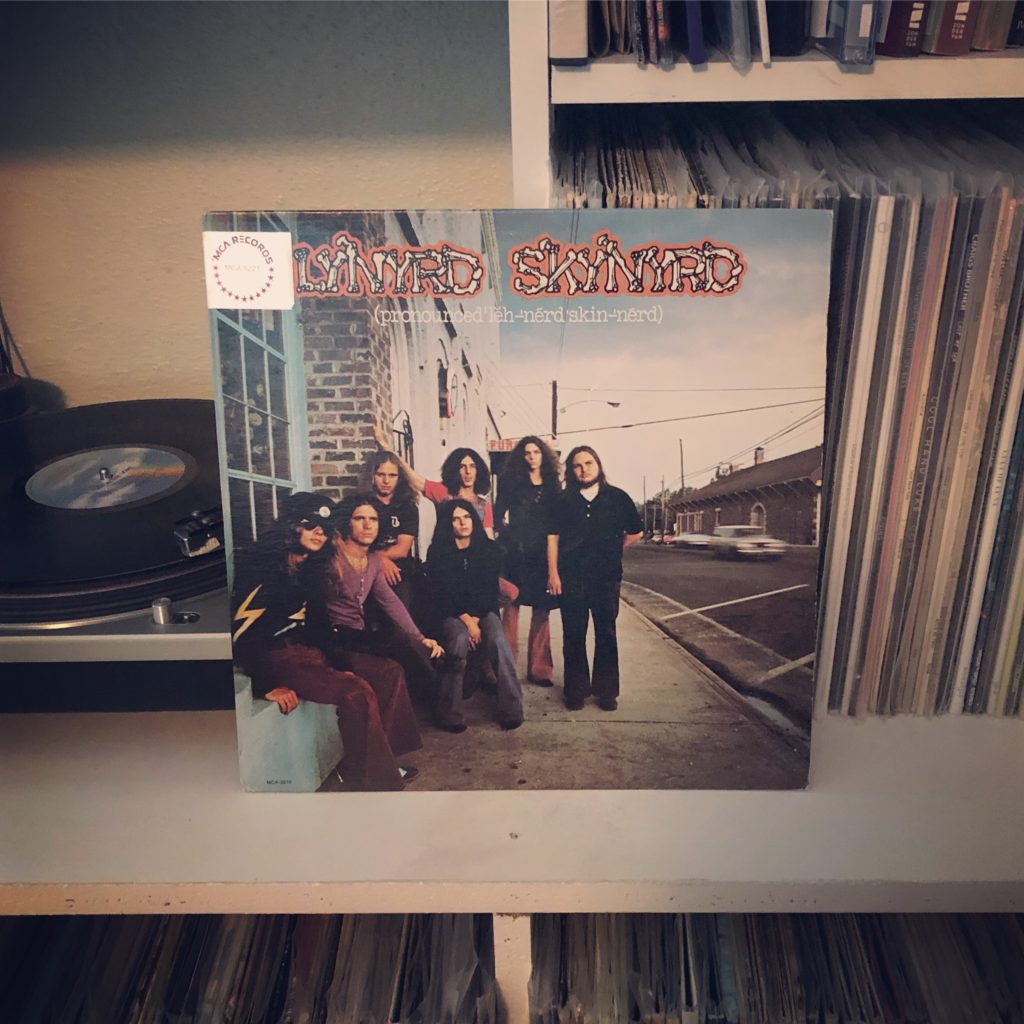 By and large, I don’t really get Lynyrd Skynyrd. What little thought I do spend thinking about them is frantically changing the radio station anytime I hear “Sweet Home Alabama” (I really, really hate that song).
But when I separate the band from their rabid, Rebel-flag-waving fanbase and that one super obnoxious single, I can sorta actually get into it.
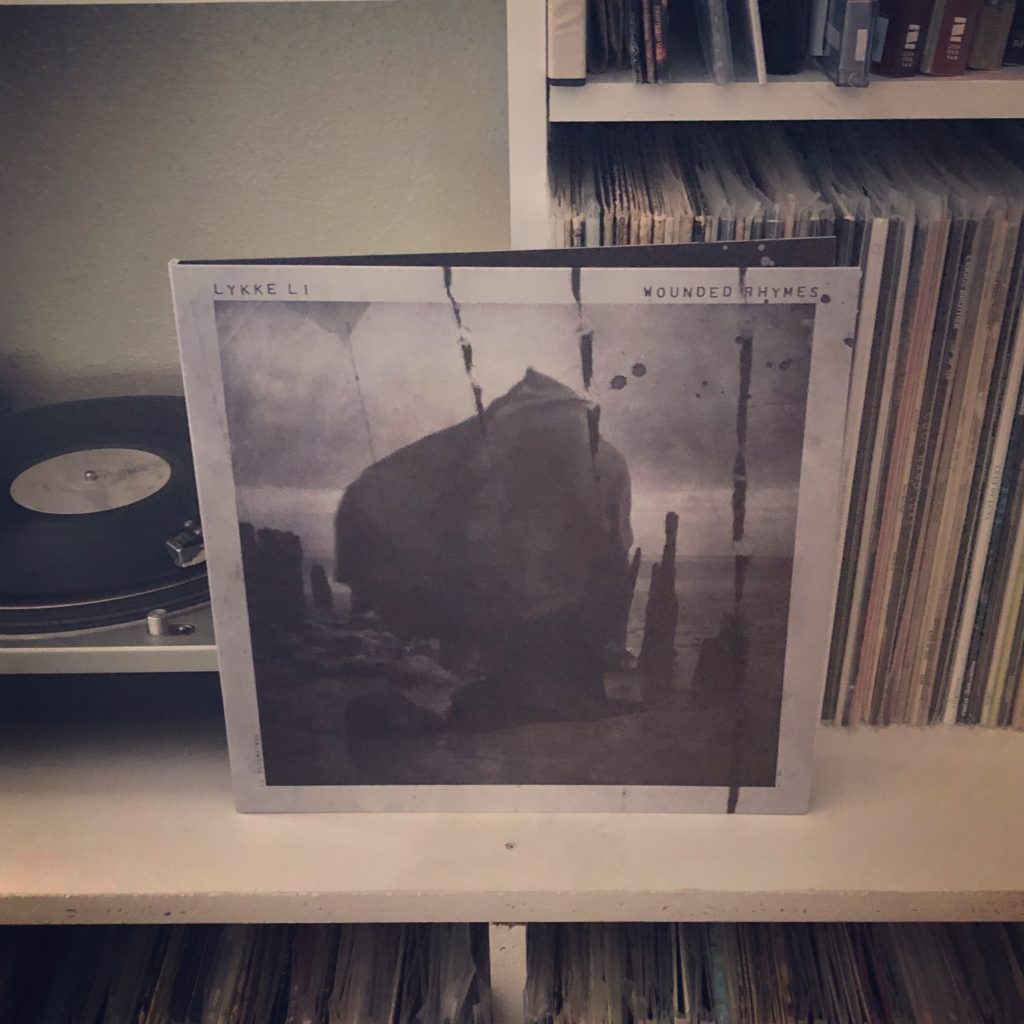 As much as I devoured every video, track, and alternate version of Lykke Li’s early career, I didn’t give her sophomore release much attention until a few months ago. At first listen, Wounded Rhymes felt sleek and generic in comparison to the playful DIY pop of Youth Novels.
But revisiting it, I see just how off my first impression was. Continue reading
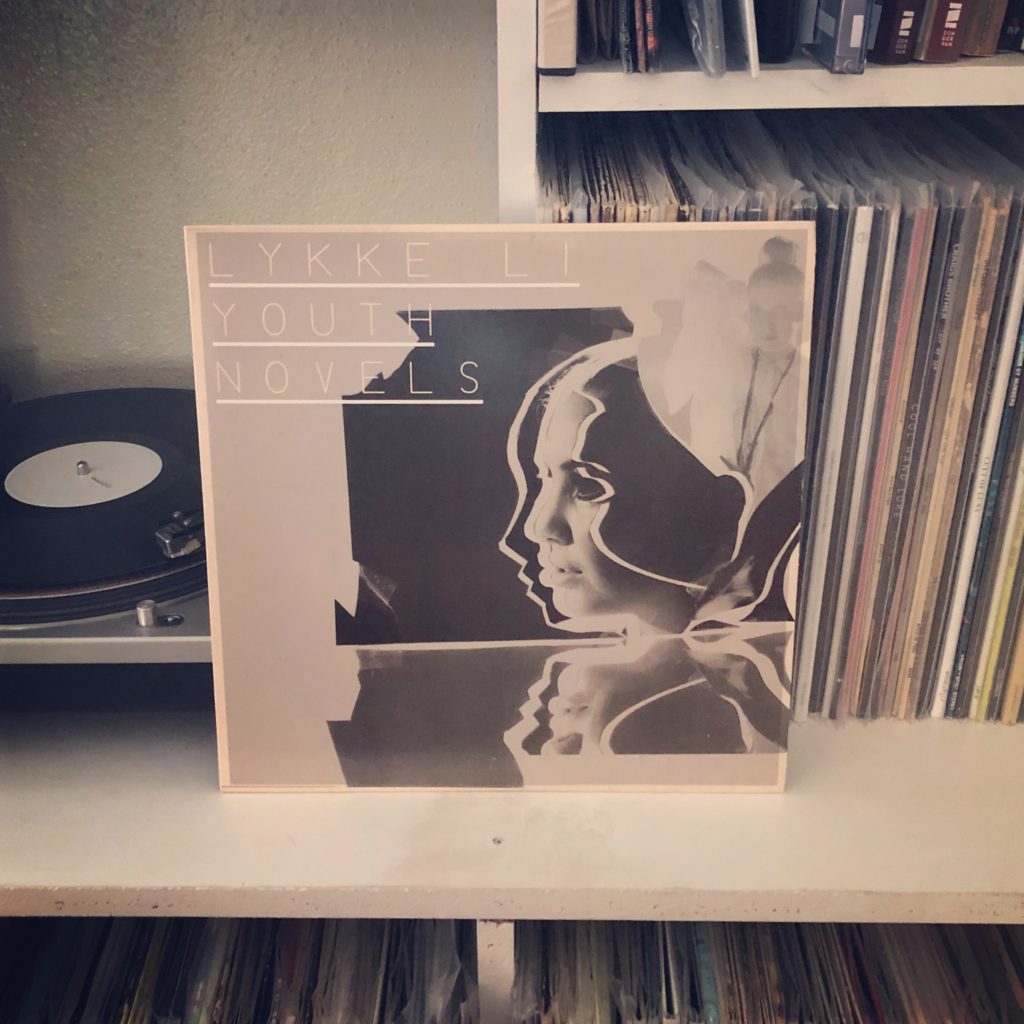 I’ve never been that attracted to conventional pop music. But when I first saw Swedish pop singer Lykke Li, I was instantly entranced.
I stumbled upon a Black Cab Session where she and two bandmates played, “I’m Good I’m Gone,” accompanied by a children’s accordion, hand percussion, and a megaphone.
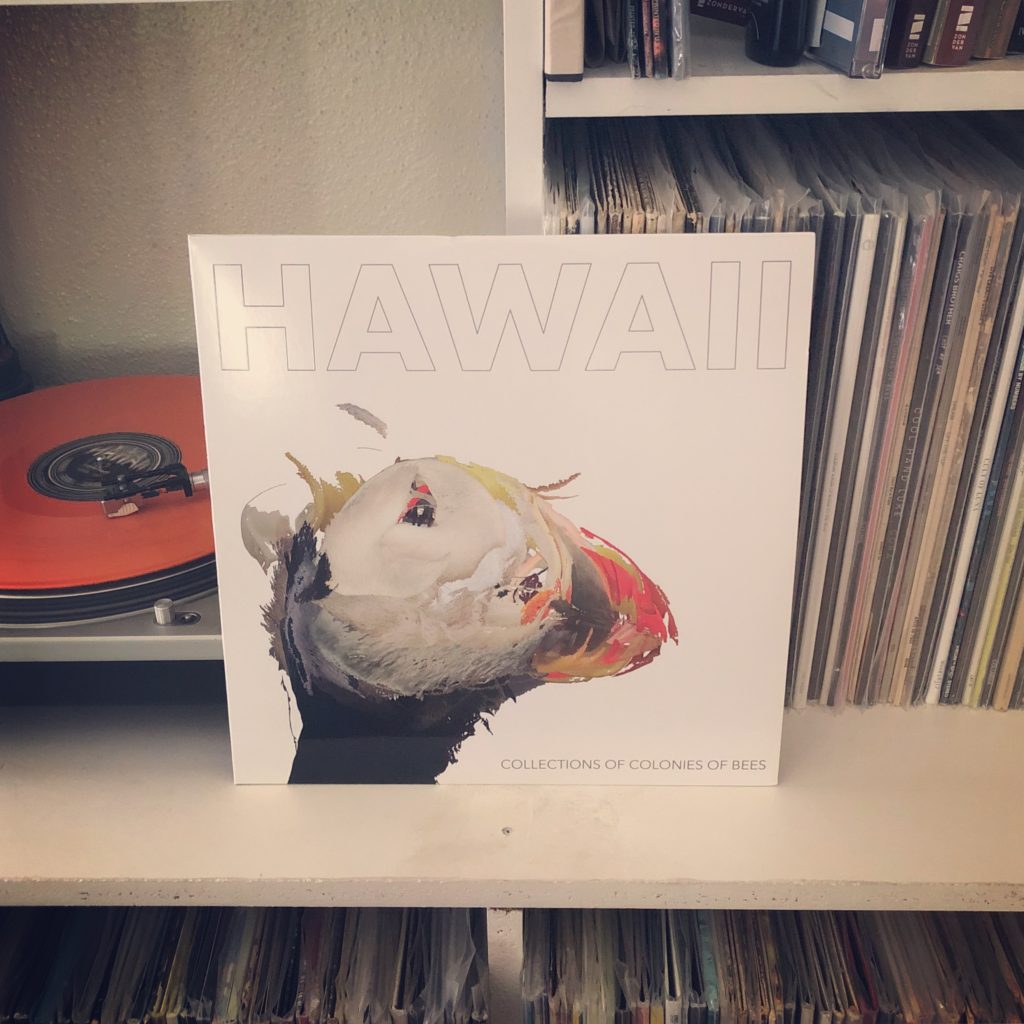 I’m not sure if there are many bands in the indiesphere with a more surprising career trajectory than Milwaukee’s Collections of Colonies of Bees.
Having started out as a bluegrass/electronica side-project (that’s not a typo) of math rock heroes Pele, they became bastions of intricately composed post rock before eventually forming the experimental pop supergroup Volcano Choir with Bon Iver’s Justin Vernon.
 If you’ve been following along for any length of time, you’ve probably picked up on the fact that I’m almost automatically a fan of anything with huge, thick walls of guitar noise.
It doesn’t matter if we’re talking about shoegaze, space rock, post rock, blackgaze, sludge metal, or whatever brand of guitar rock Lantlôs is putting out. If the guitars are loud, fuzzy, and slathered in reverb, I’m here for it.
So naturally, as soon as I heard the new album from Lake Michigan-area outfit Cloakroom, I was here for it.
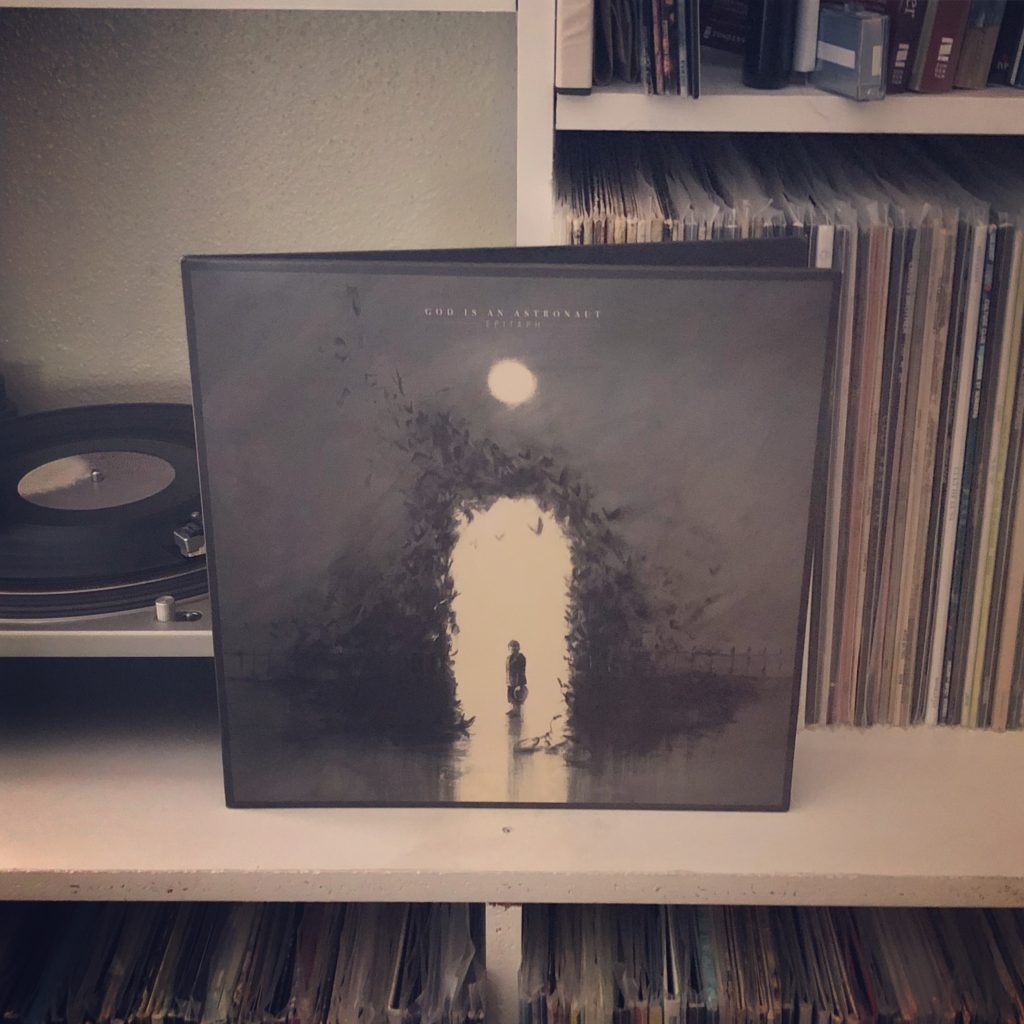 Sucker that I am for post rock, I’ve never given much time to Ireland’s God Is An Astronaut. I’ve heard the name plenty, and I had a couple of their albums on one of my work playlists, but I never paid close attention to it.
But when I saw that they released a new record, I made a note of it. I haven’t noticed many good post rock records this year, and I had a hunger.
And by God (who is an astronaut), this record satisfies that hunger.
 If I were to ask you to imagine a female singer-songwriter, there’s a good chance your mind would go to a subdued, pensive artist, a la Joan Baez or Julien Baker.
But lately, there’s been a crop of women whose particular brand of introspection is better accompanied by rattling, detuned guitars and a pummeling rhythm section than an acoustic guitar. Women like Kristina Esfandiari of King Woman and Chelsea Wolfe.
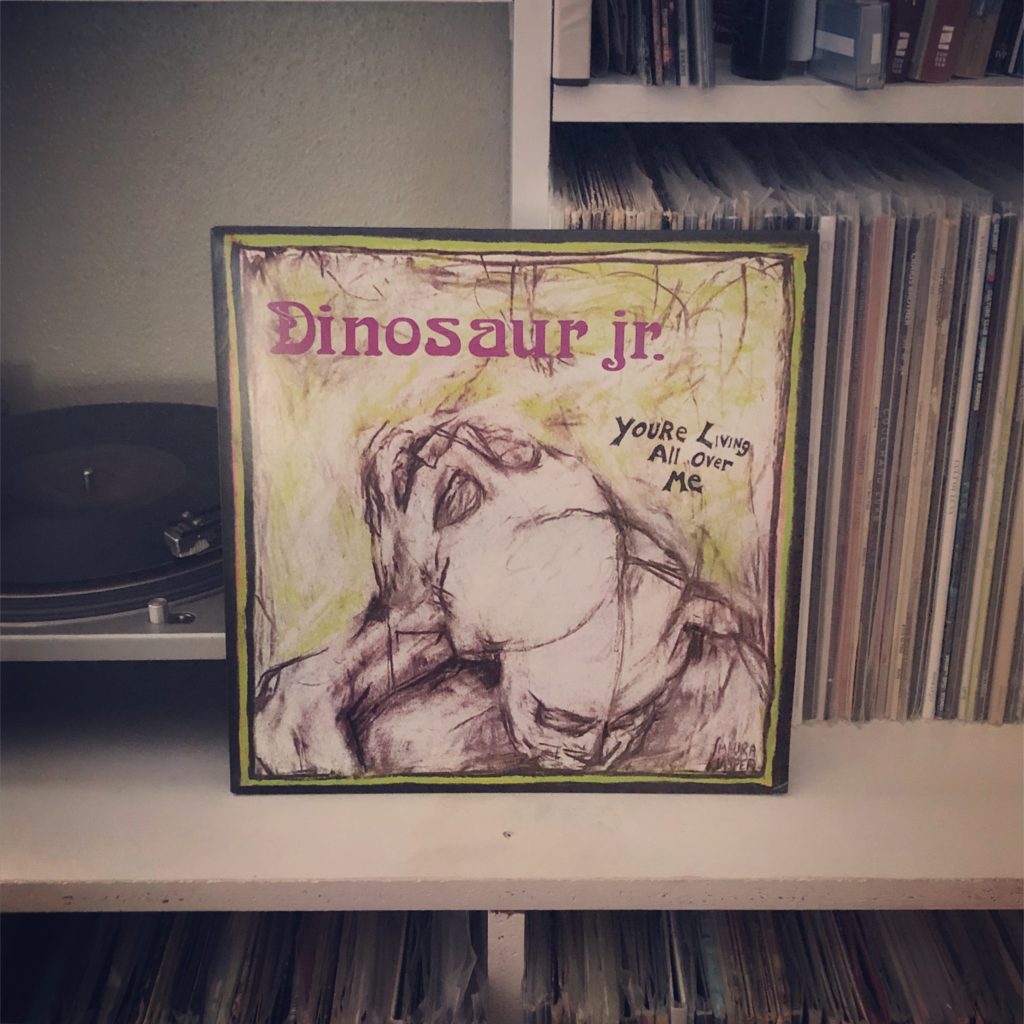 Hipster music snob that I am, the depths of my musical knowledge is riddled with blind spots. For example: until last week, I realized that I had never knowingly listened to Dinosaur Jr. Continue reading