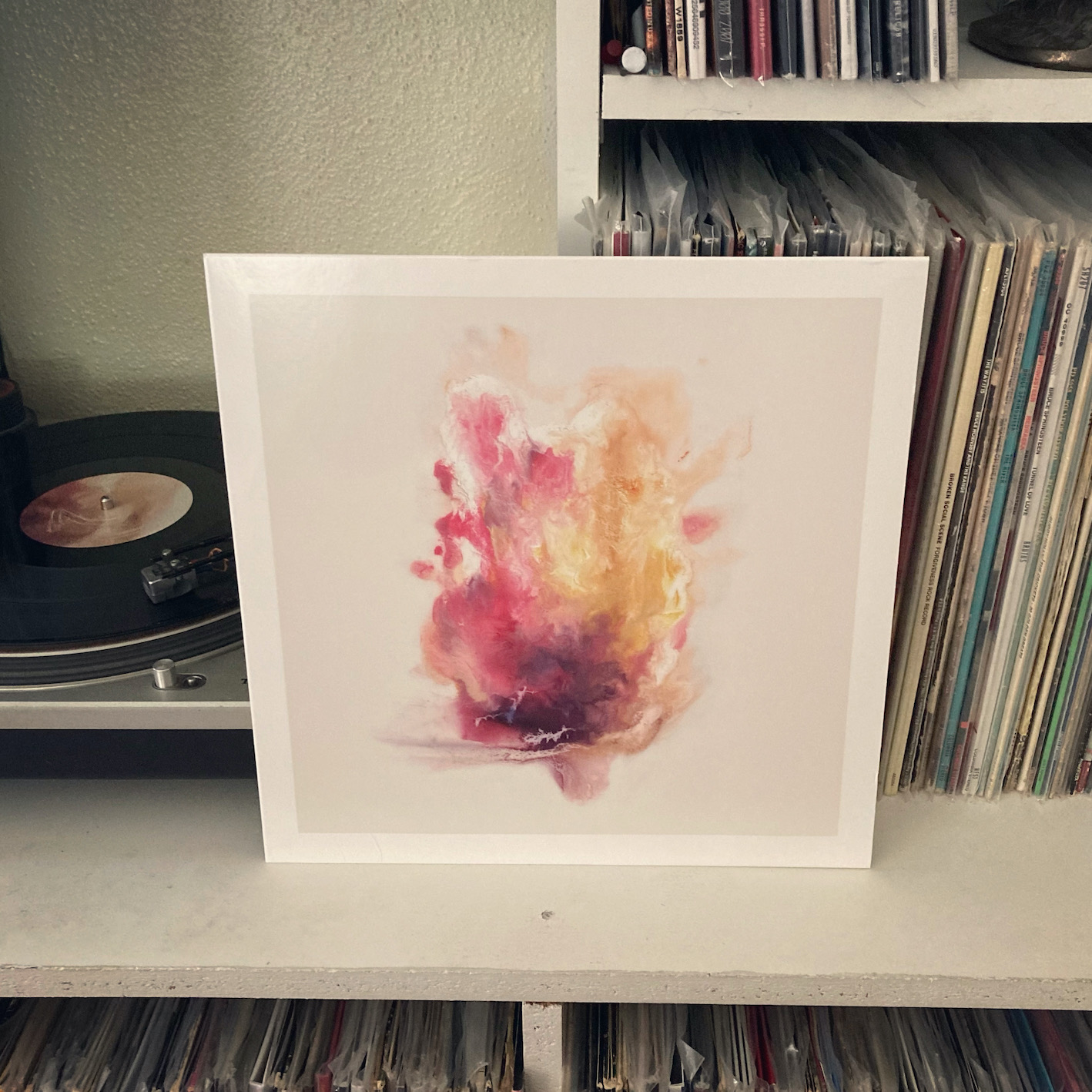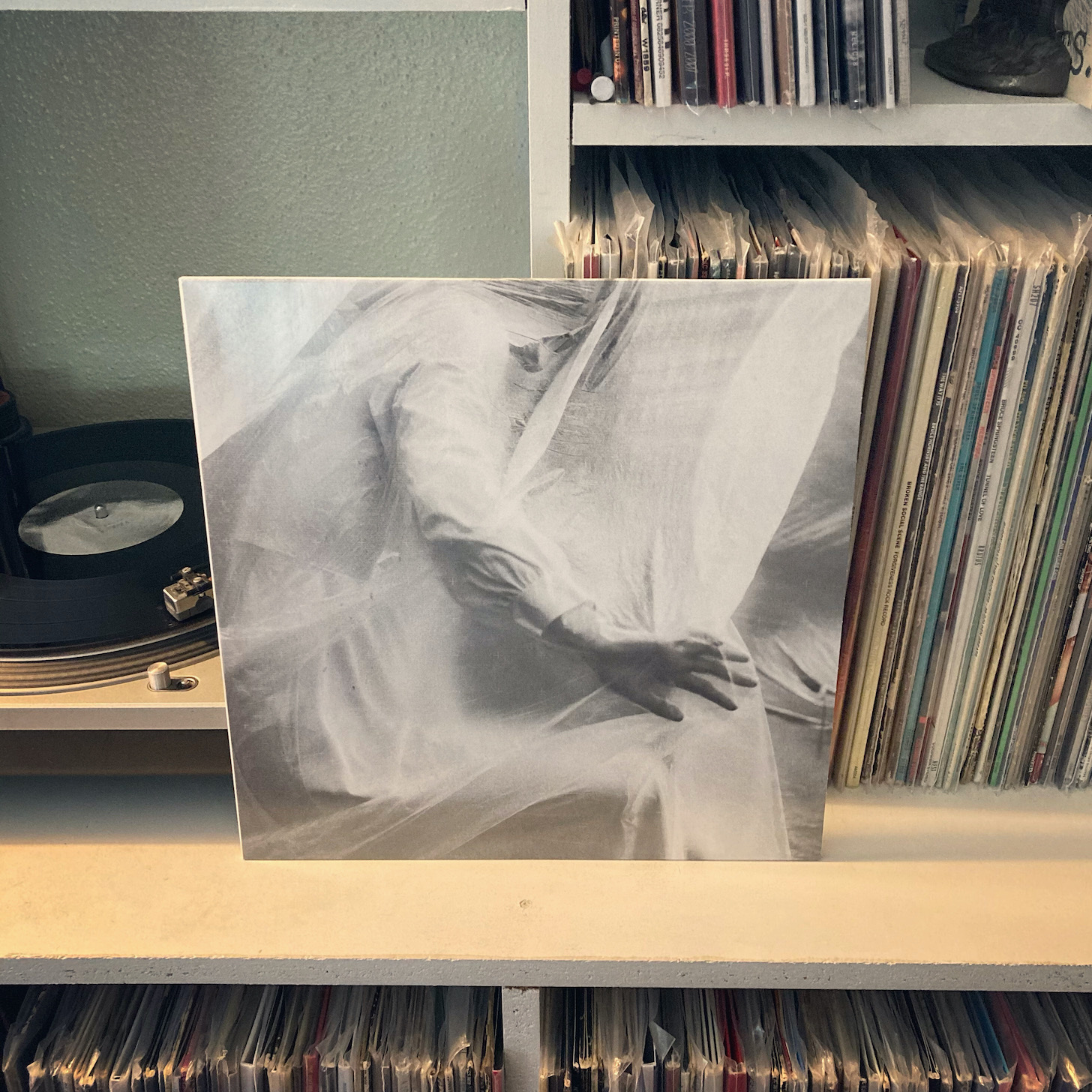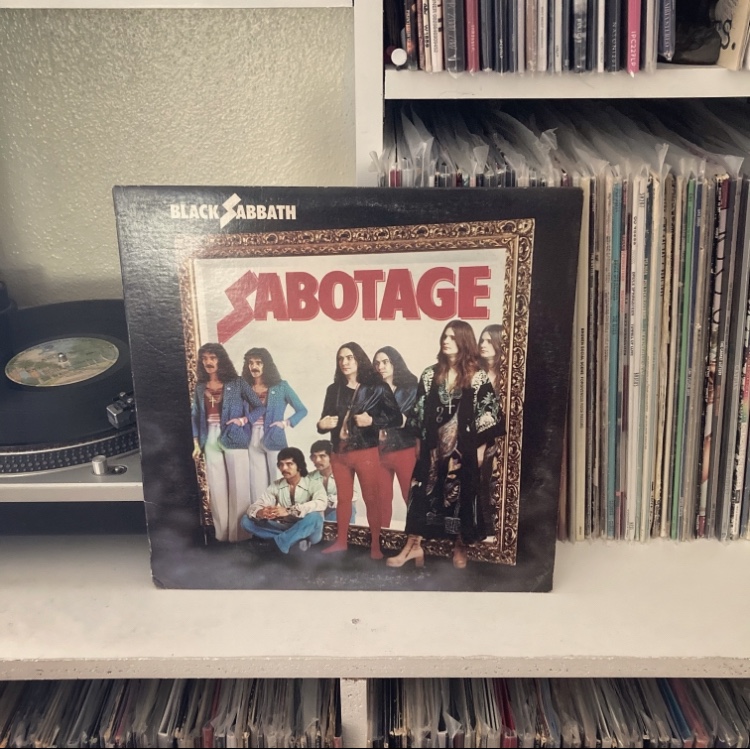
Over the last few years, I’ve been making a concerted effort to give Black Sabbath their due. After all, few other bands have such a dominating influence across an entire class of genre. Hundreds of bands are still trading their souls to make music as heavy as their First Six.
Sabotage is the final of this sextet, and I realize now that I’ve mistakenly believed it to be the first step in a downward trend. And while it may not be as untouchable as Master of Reality or Paranoid, it’s maybe the most adventurous of the First Six—and still just as heavy.
 Among my social circle, I have a famous distaste for bands like Mumford & Sons, Of Monsters & Men, and the rest of their ilk of faux-backwoods, banjo-accompanied strum-and-stomp folk pop.
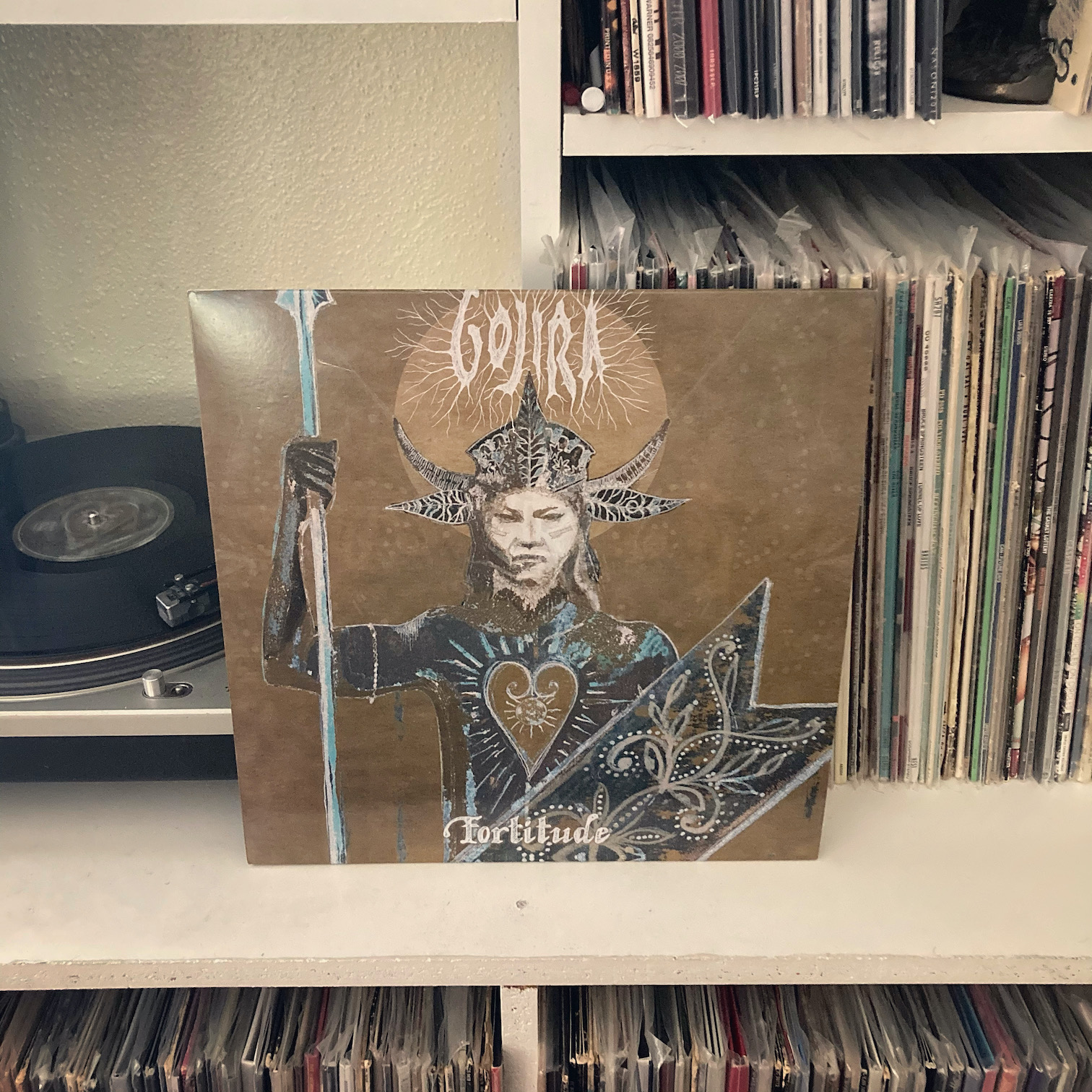 If you’re going to name a band after the greatest monster in cinema mythology, you better deliver. Luckily, long-running French metal outfit Gojira hasn’t built their reputation by not living up to their name. Throughout their twenty-plus-year history, they have delivered punishing groove metal that is both destructive and awe-inspiring.
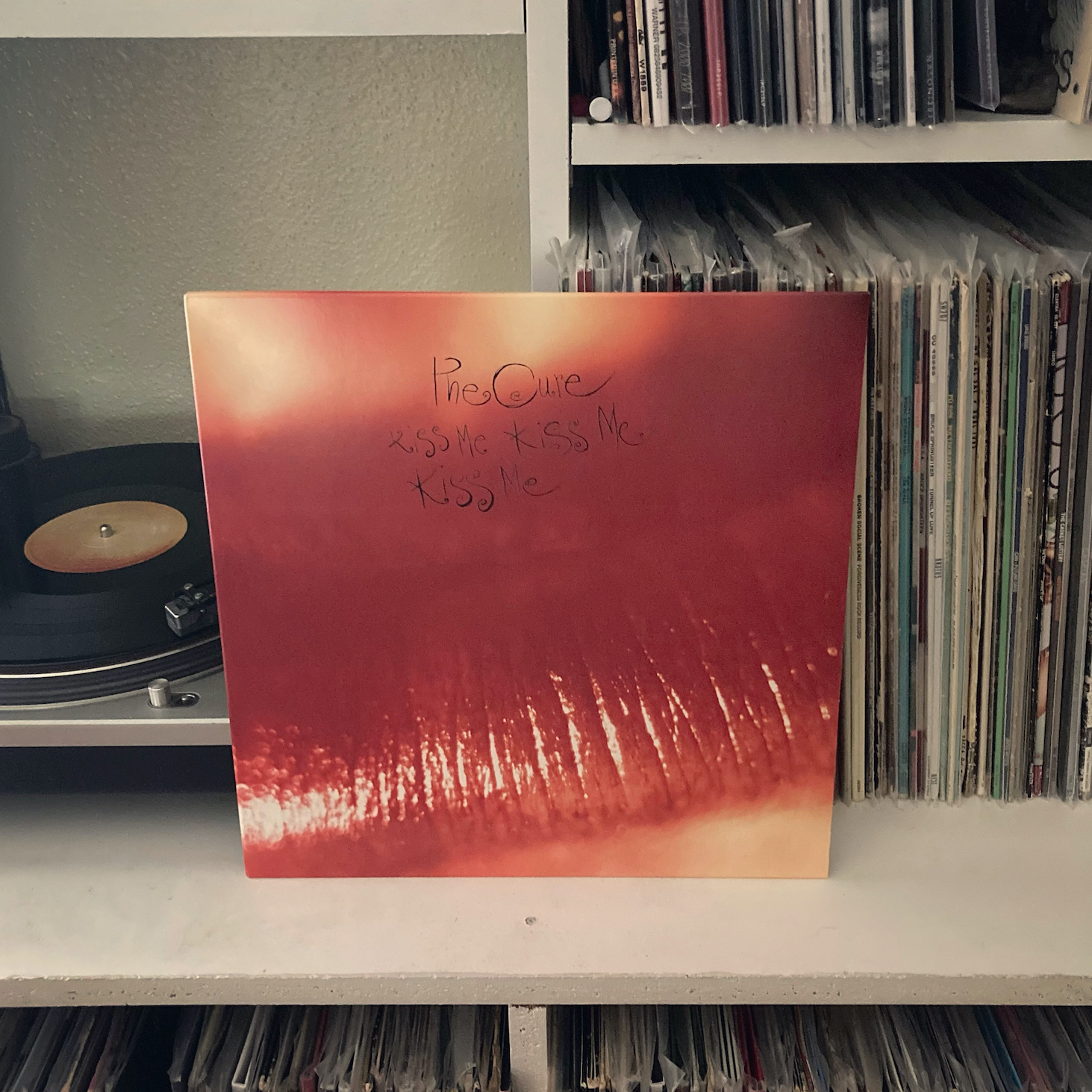 Perhaps there is no candidate for Pop Superstar more unlikely than The Cure’s Robert Smith. With his frizzy moptop, pale complexion, and full face of makeup, Smith was the face of the 1980s goth rock movement and its obsession with darkness—the kind of guy that Satanic Panic folks would point to to prove that society was in the icy grip of the Dark Lord.
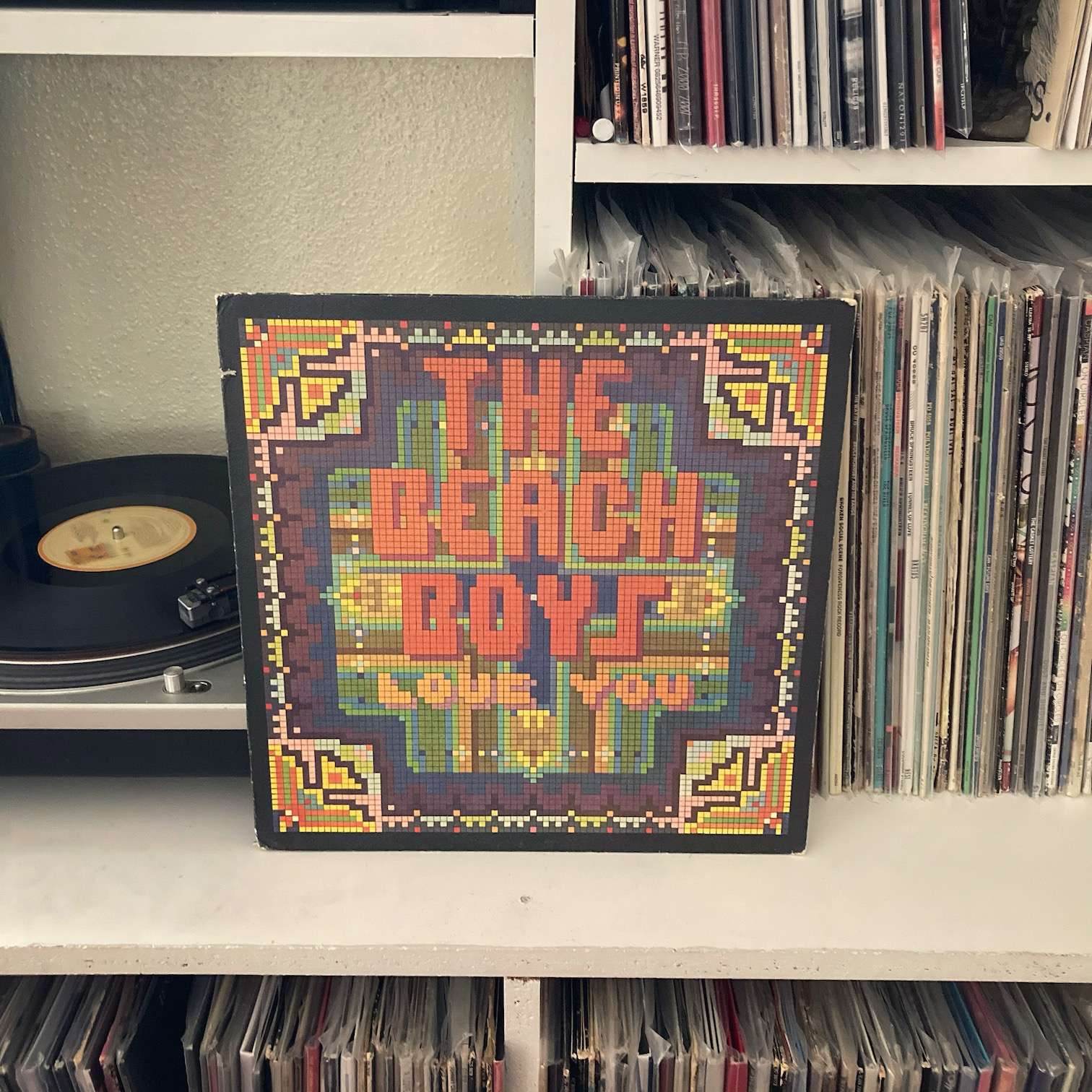 Across the history of popular music, few minds have created music as beautiful, infectious, and moving as that of Brian Wilson. But that mind was also intensely fragile, leading to bouts with mental illness that were so serious he had to withdraw from the creative process, often for years at a time.
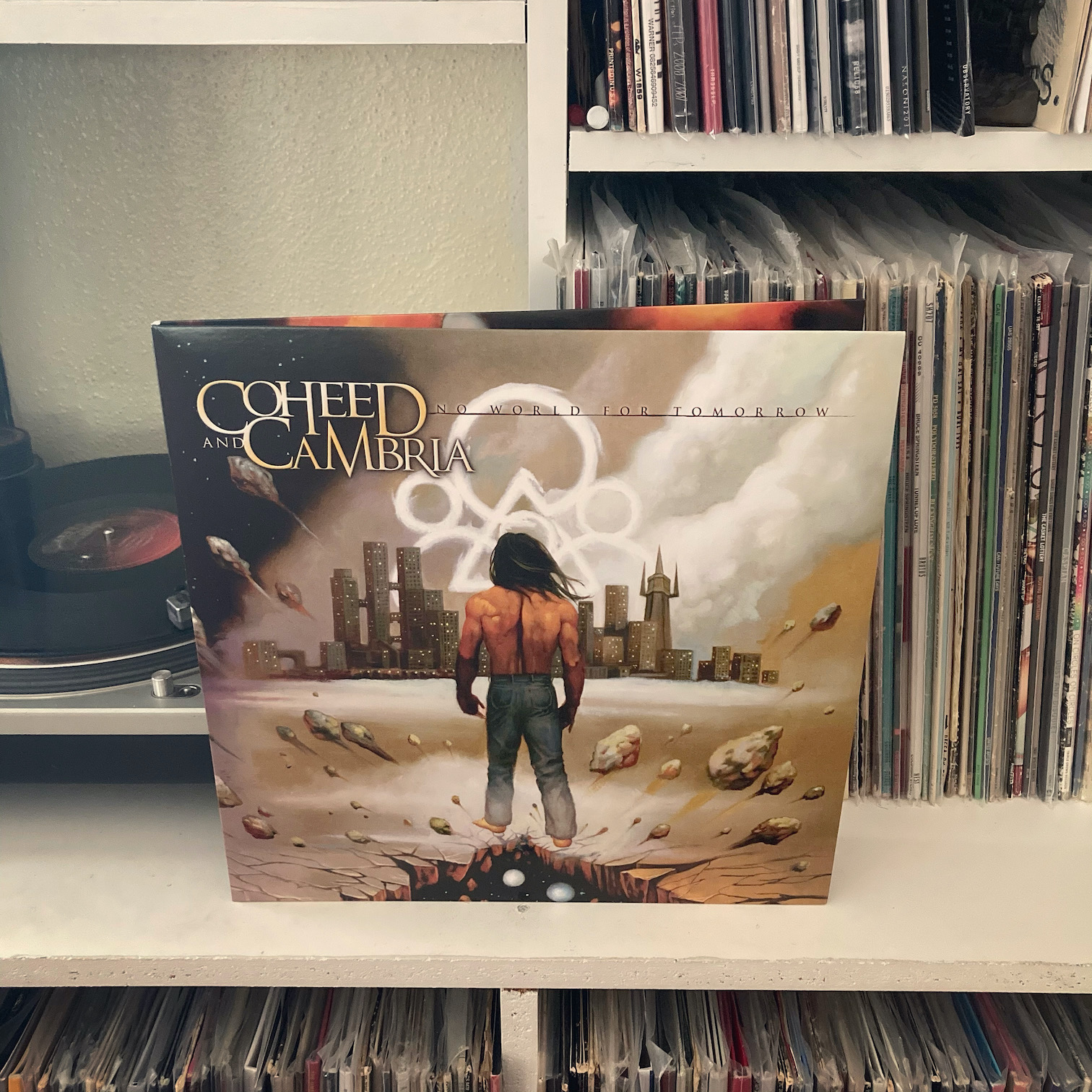 Coheed & Cambria attracts a lot of criticism for their… whole deal. Sci-fi prog rock concept albums based on a comic book written by the lead singer who then sings about genetic wars and space armadas in an androgynous elf voice isn’t exactly a recipe for mainstream success. But at their best, Coheed has a gift for wrapping these weirder elements up in sugary sweet pop hooks and classic rock tropes.
 Looking back, it makes no sense that
  One of the more interesting things about music to me is how we attempt to categorize and classify according to imperfect terminologies—and more specifically, how that terminology changes over time.