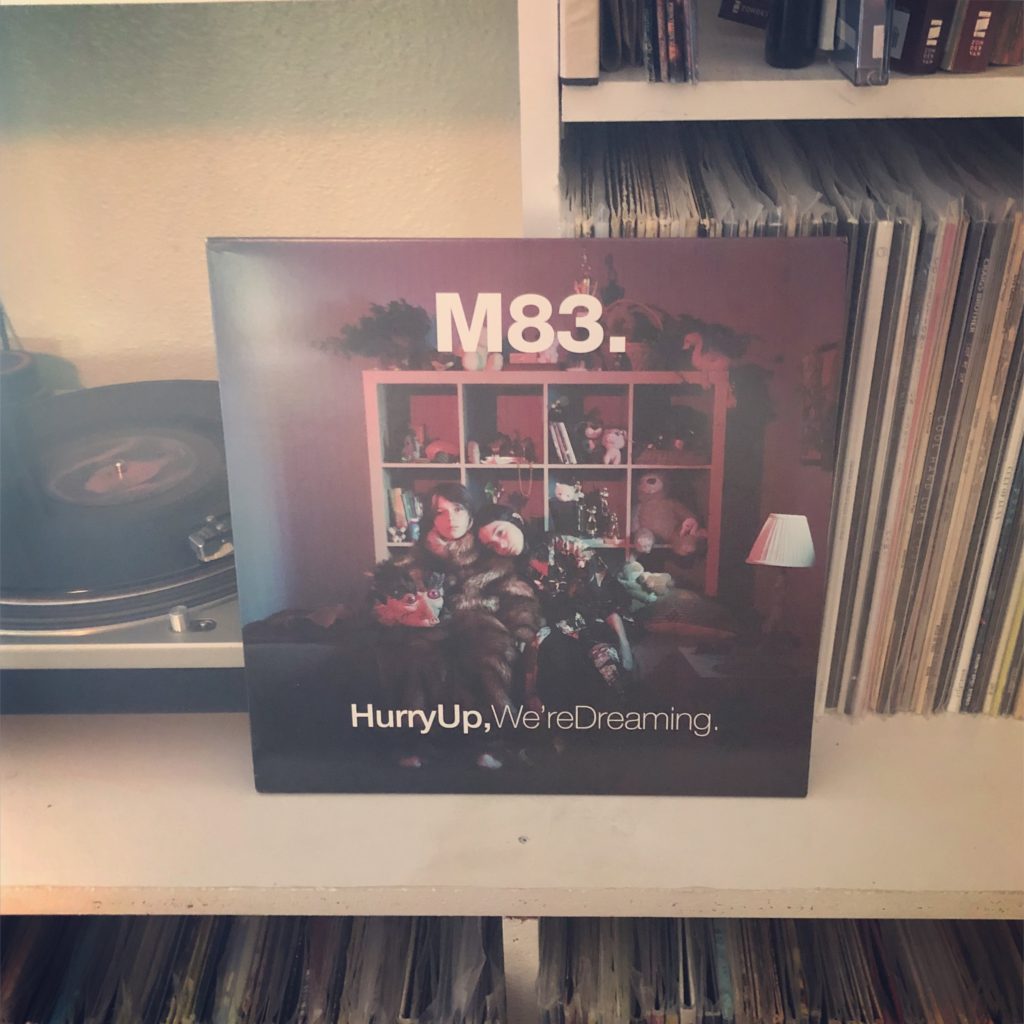
If ever there was a post rock crossover pop hit, it’s M83’s Hurry Up, We’re Dreaming.
This record debuted at number fifteen on the Billboard Top 200. The bouncing single “Midnight City“, complete with a screaming saxophone solo, was ubiquitous. The group appeared on a number of late night talk show performances. Songs were played in commercials and movie trailers.
This is only made more impressive by the fact that it’s a double album by a band that made their name playing synth-driven drone music.
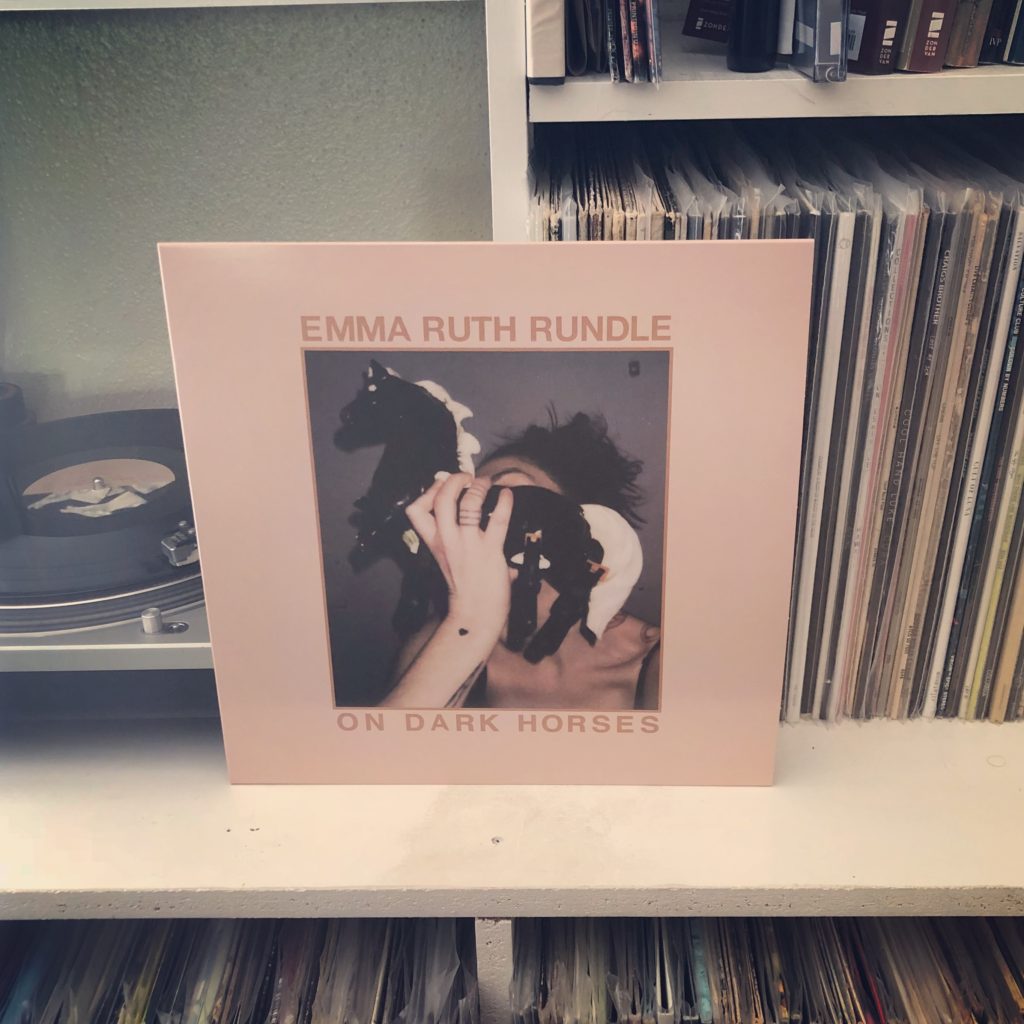 The last couple years, I’ve been noticing a trend of female singer-songwriters picking up electric guitars and coating their otherwise gentle compositions with thick layers of doom metal and shoegaze (see also:
 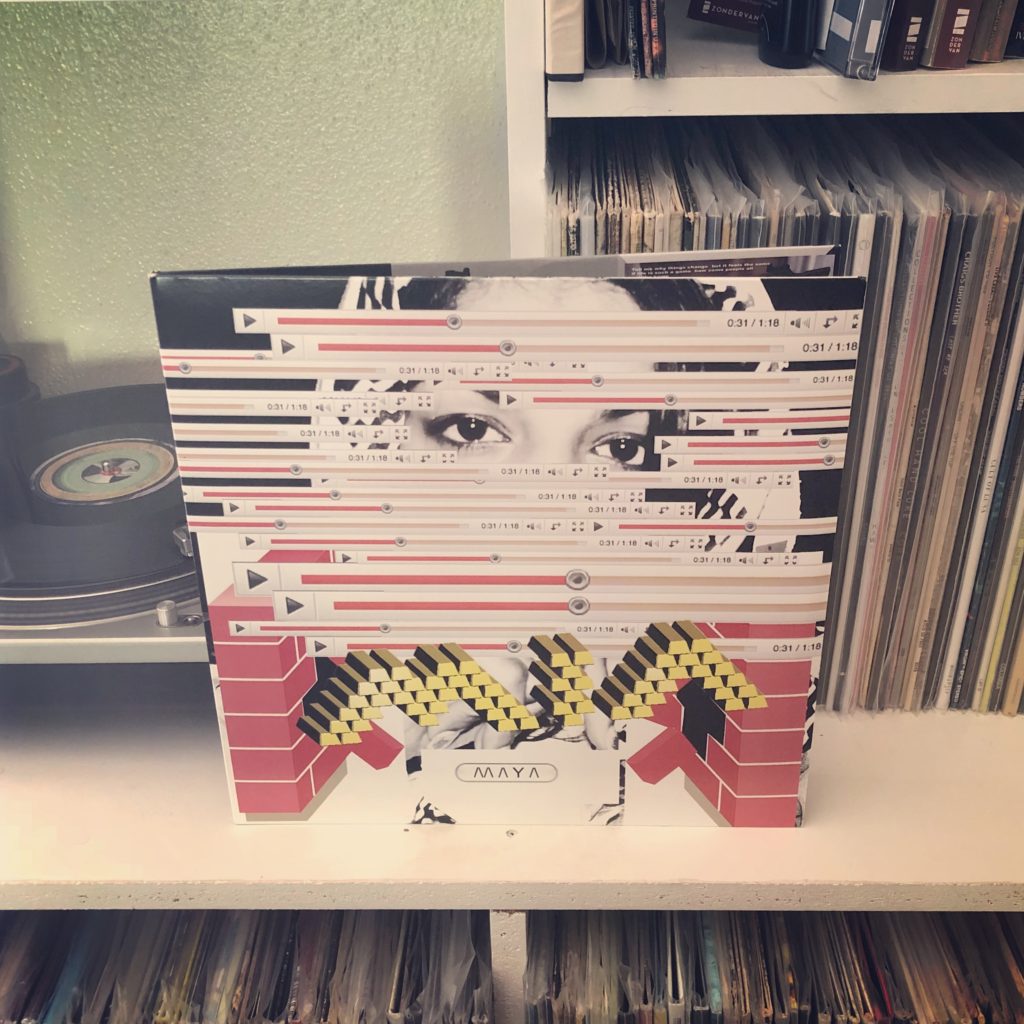 Throughout her career, M.I.A. has always been ahead of the curve—and the curve wasn’t always ready for her.
 How do you follow up a
  As legend has it, in the early 2000s the daughter of a Sri Lankan freedom-fighter slash visual artist named Mathangi “Maya” Arulpragasam (AKA M.I.A.) was introduced to the iconic Roland MC-505 sequencer and drum machine.
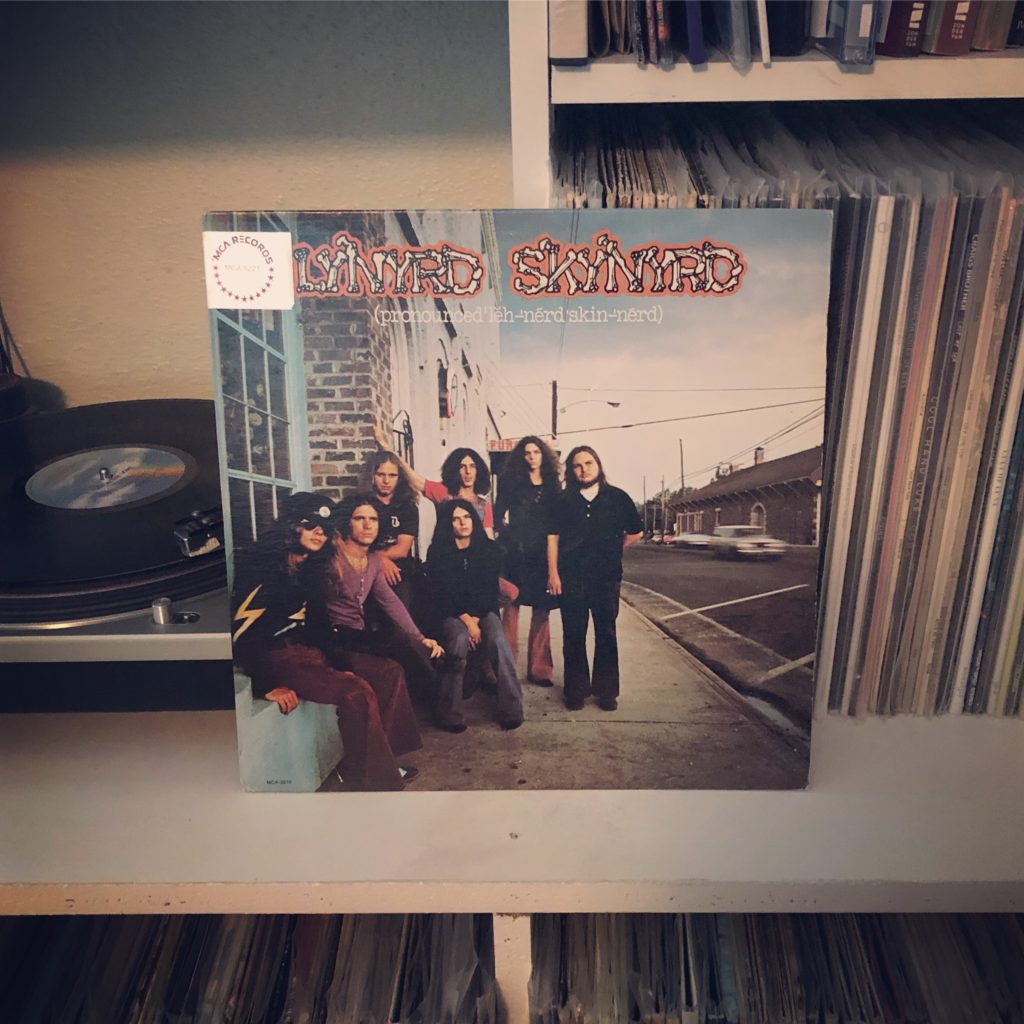 By and large, I don’t really get Lynyrd Skynyrd. What little thought I do spend thinking about them is frantically changing the radio station anytime I hear “Sweet Home Alabama” (I really, really hate that song).
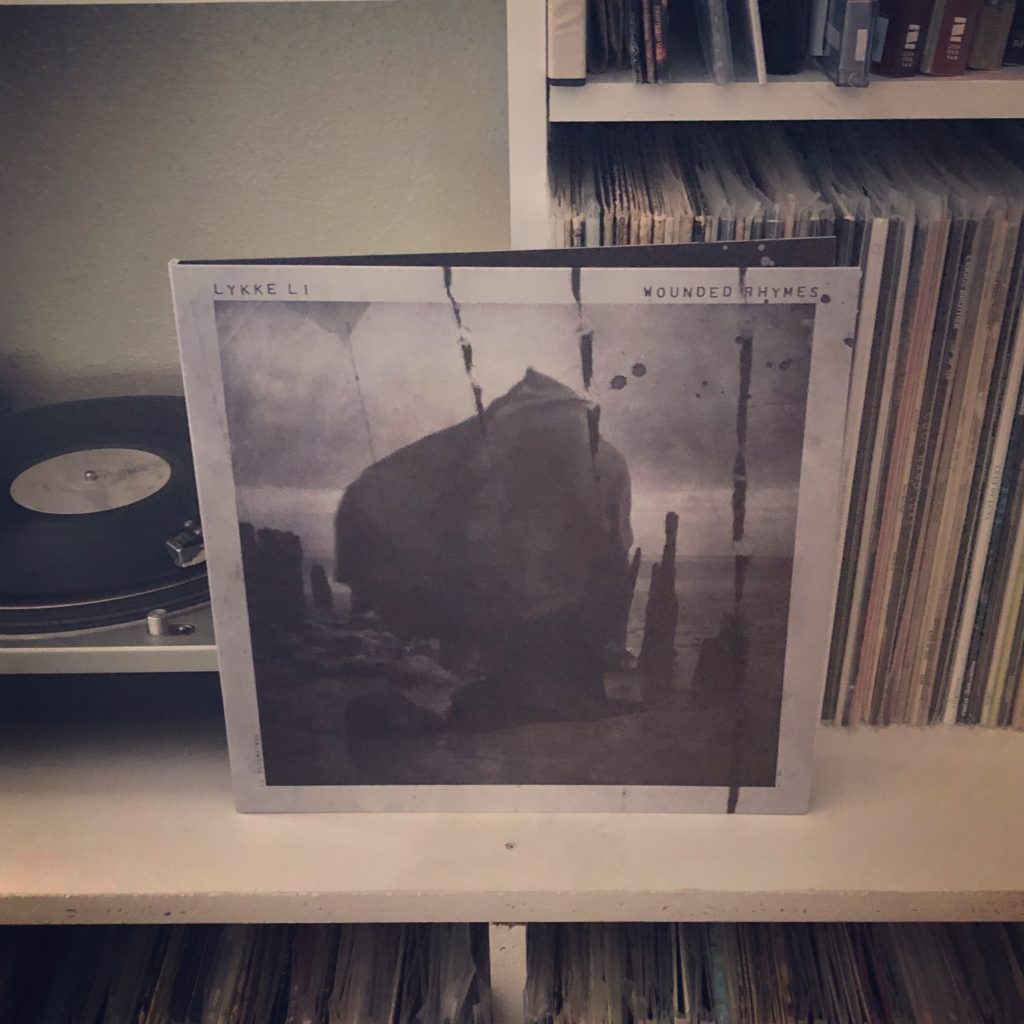 As much as I devoured every video, track, and alternate version of Lykke Li’s early career, I didn’t give her sophomore release much attention until a few months ago. At first listen, Wounded Rhymes felt sleek and generic in comparison to the playful DIY pop of
 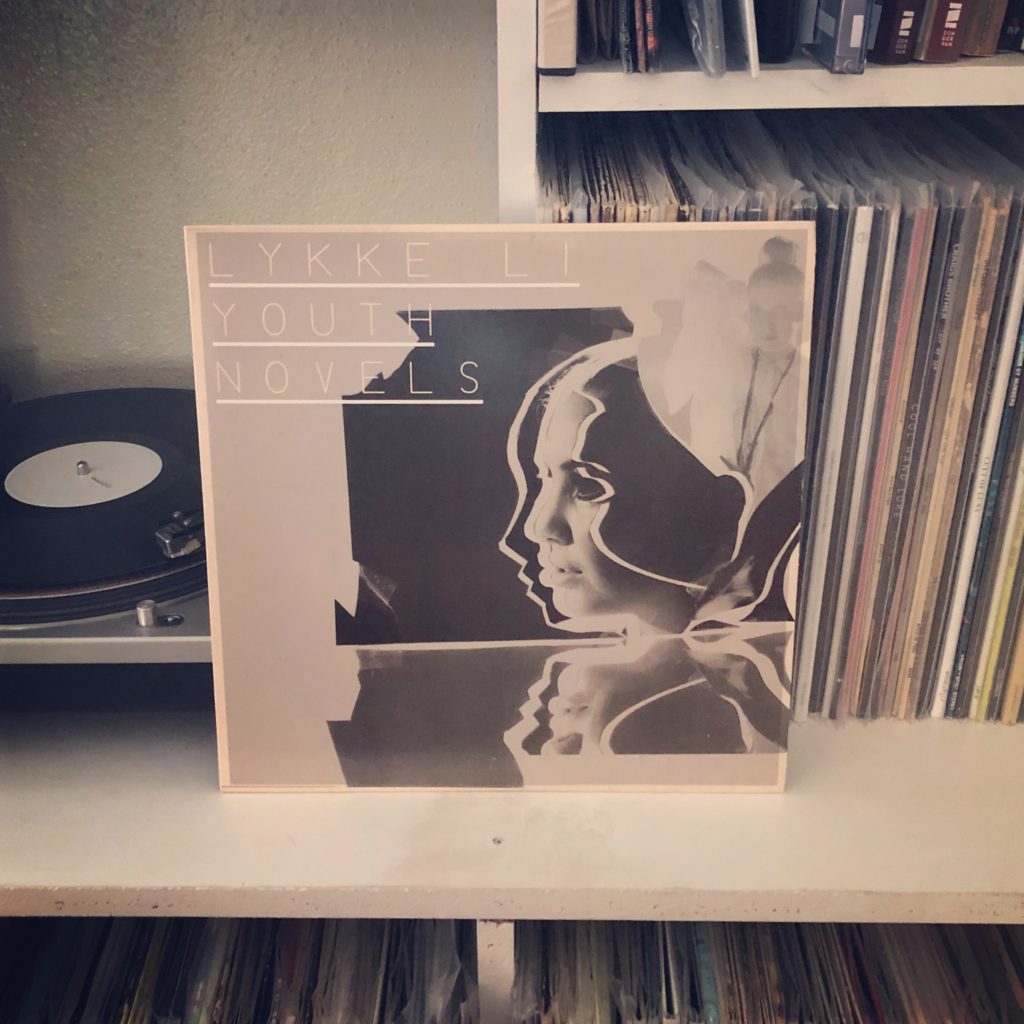 I’ve never been that attracted to conventional pop music. But when I first saw Swedish pop singer Lykke Li, I was instantly entranced.
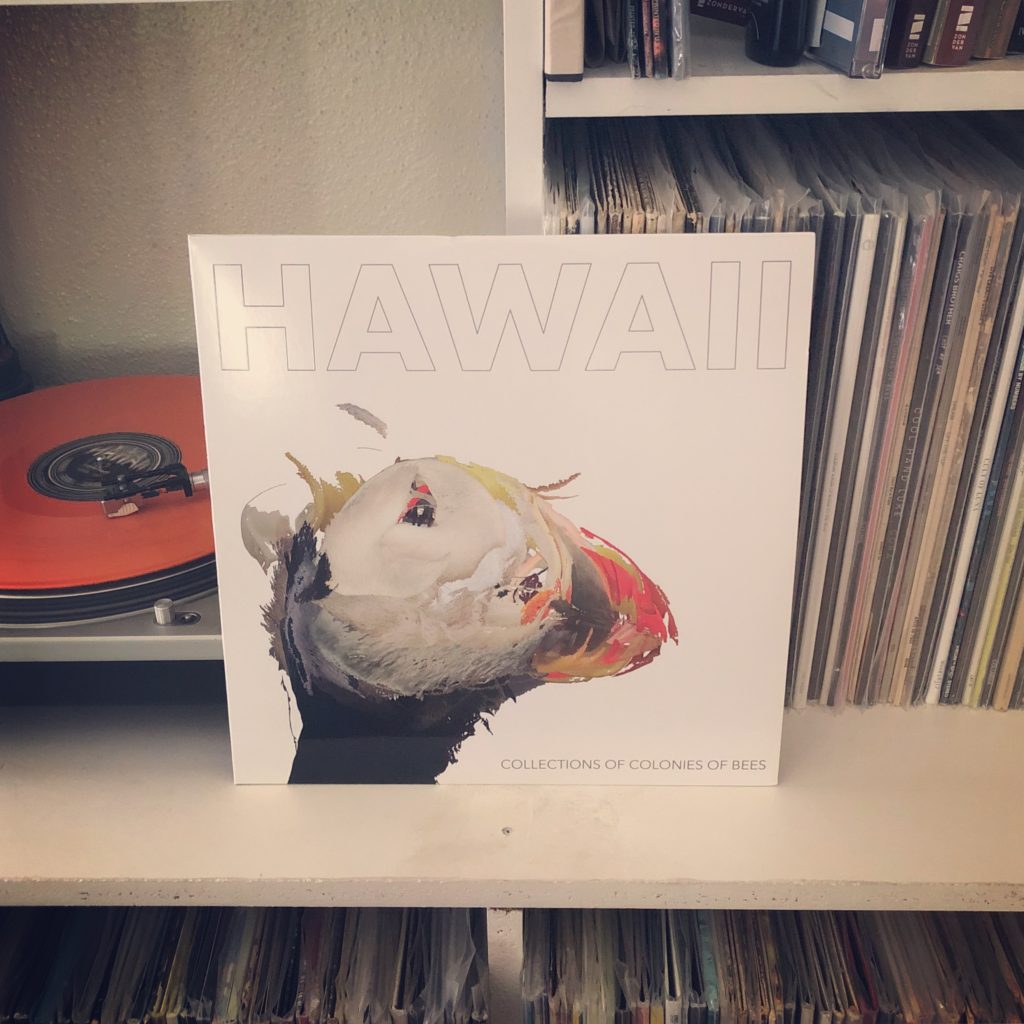 I’m not sure if there are many bands in the indiesphere with a more surprising career trajectory than Milwaukee’s Collections of Colonies of Bees.
 If you’ve been following along for any length of time, you’ve probably picked up on the fact that I’m almost automatically a fan of anything with huge, thick walls of guitar noise.