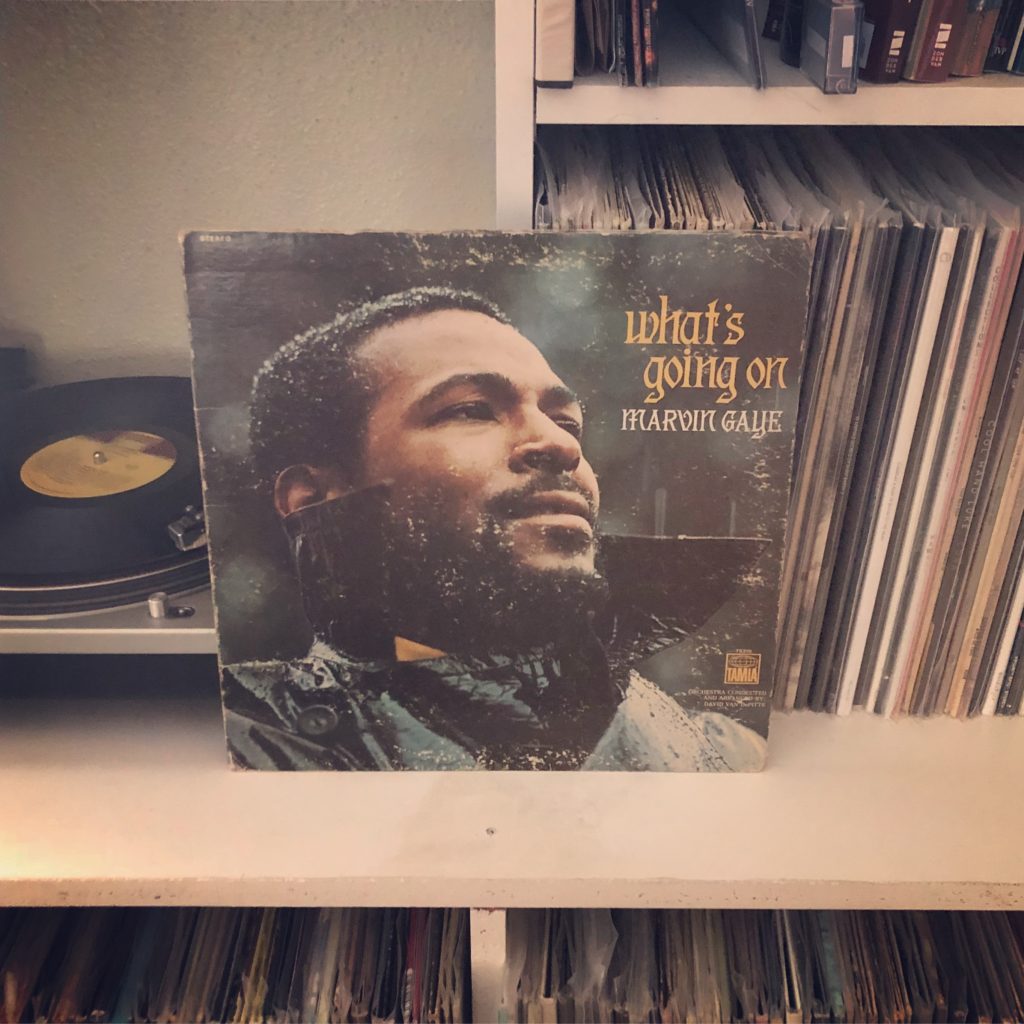
 After ten albums of the sexiest R&B mankind has ever known, Marvin Gaye’s world fell apart.
His longtime writing partner passed away from cancer. His wife left him. He was caught between the IRS on one side and a stifling record deal with Motown Records on the other. He was troubled over his brother fighting in Vietnam, ande was fighting his own losing battle against his cocaine addiction.
He was a rising star internationally, but he felt like a fraud. After a night pondering over a handgun in his hotel room, he decided it was time for a change. He grew a beard, pierced his ear, and found religion.
Then he dropped What’s Going On, a masterful and poignant protest album.
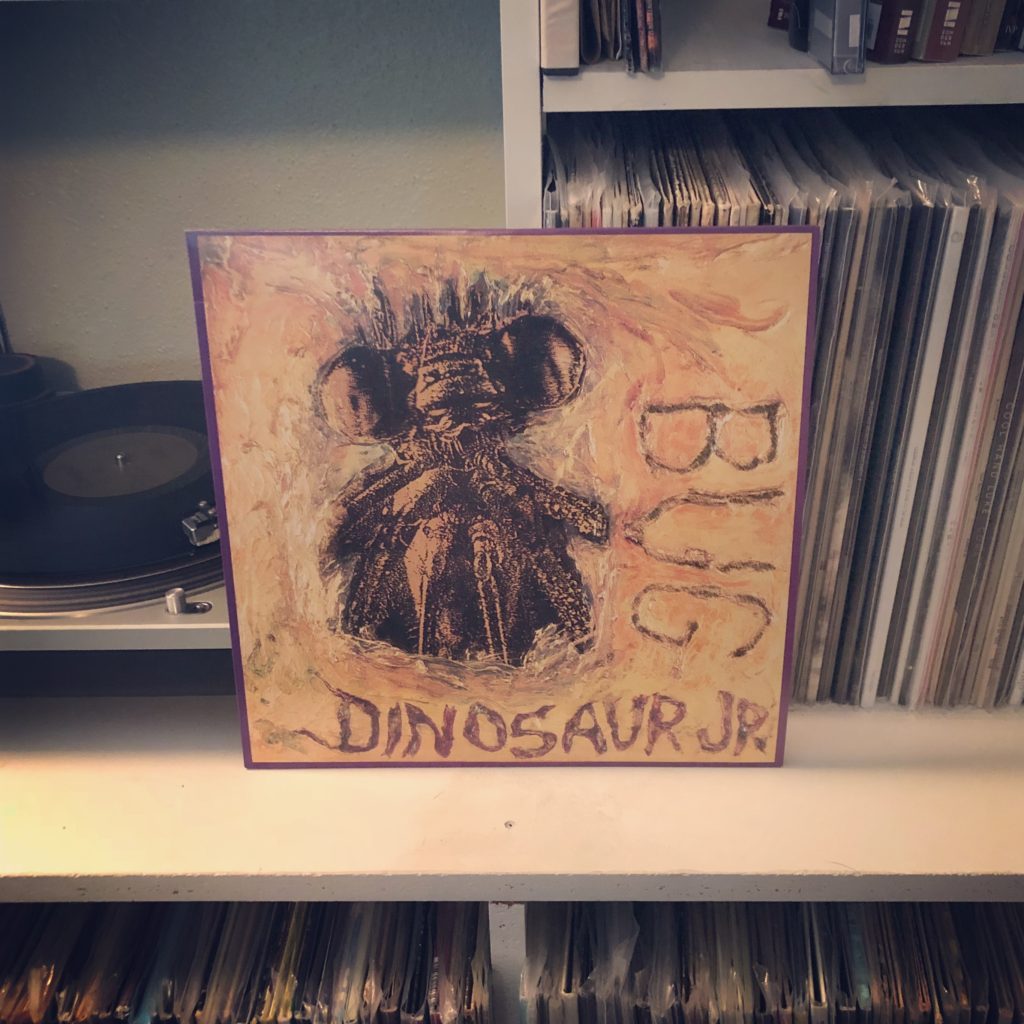
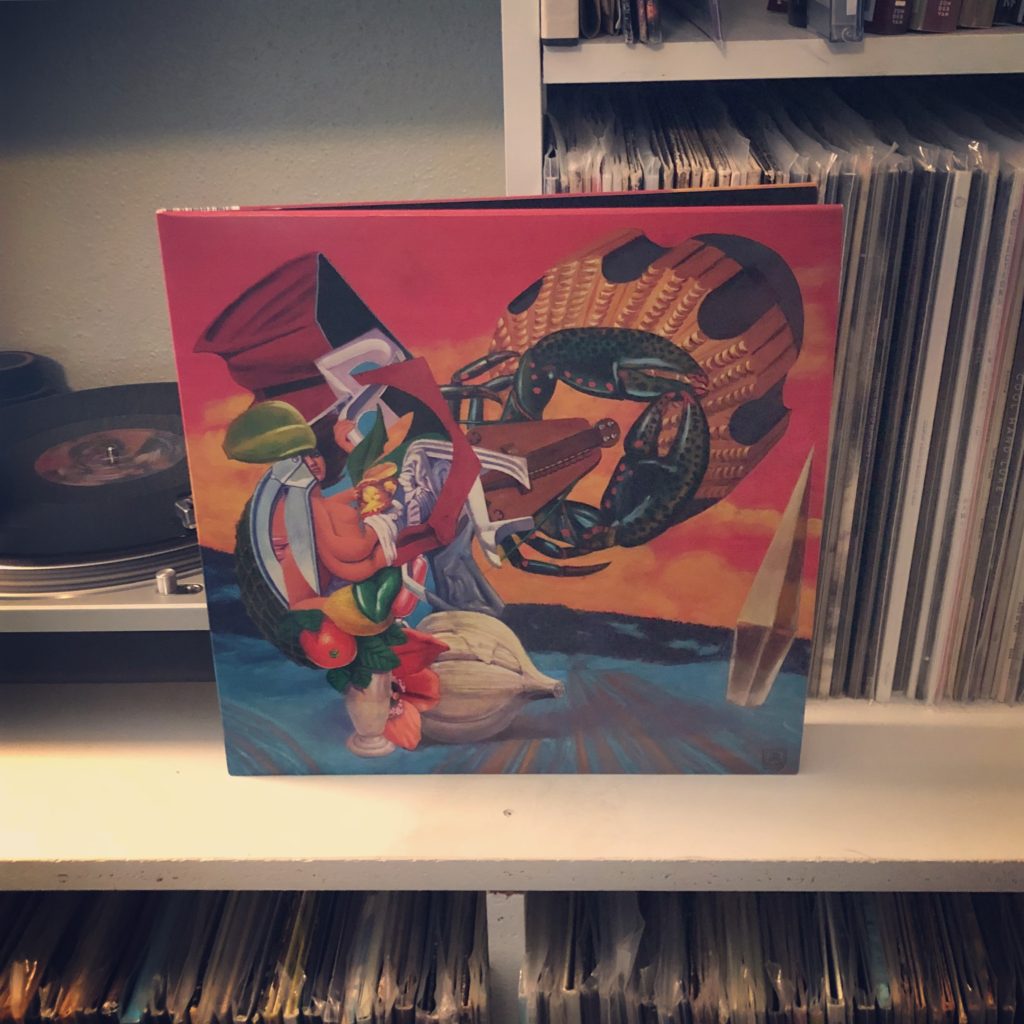 After the perfect one-two punch of
 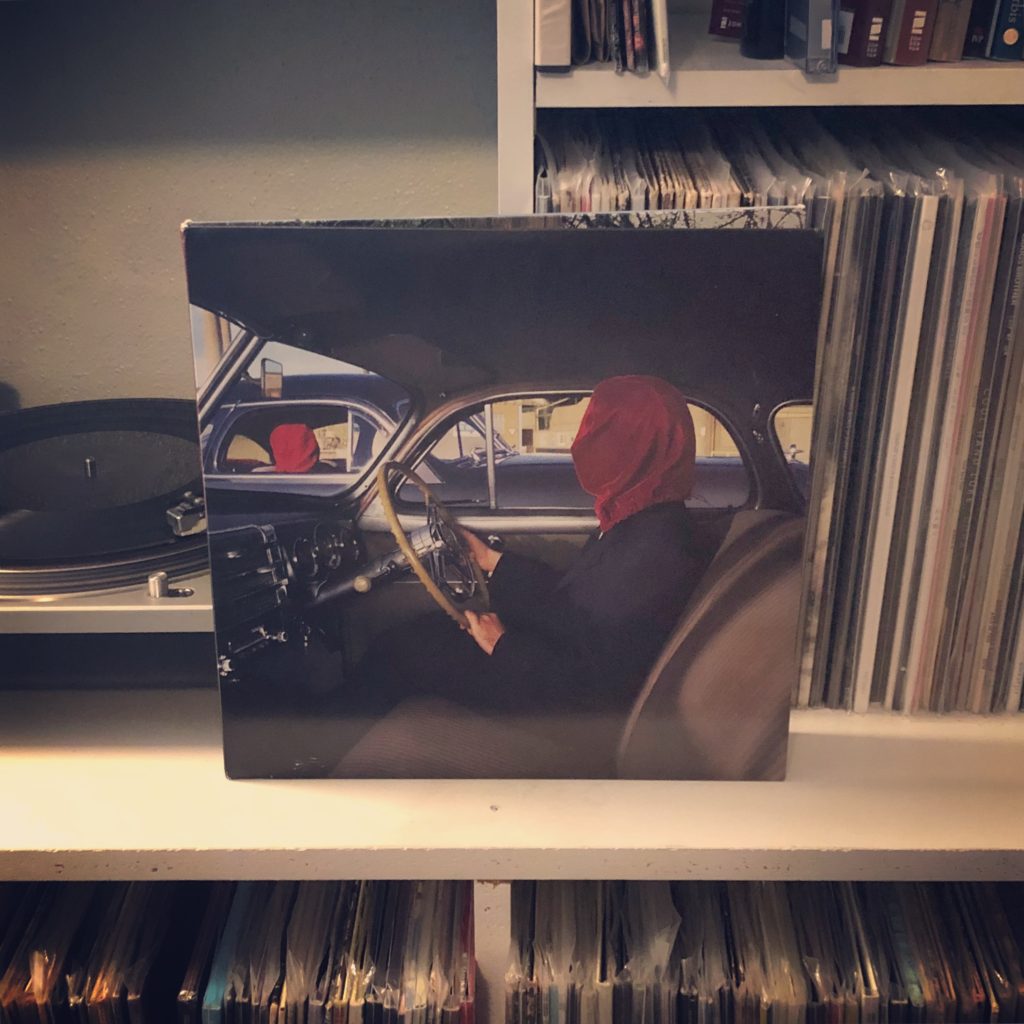 When the Mars Volta rose out of the ashes of At the Drive-In, many fans and critics were disappointed in the noodly, indulgent psych soundscapes of
  Following the dissolution of
 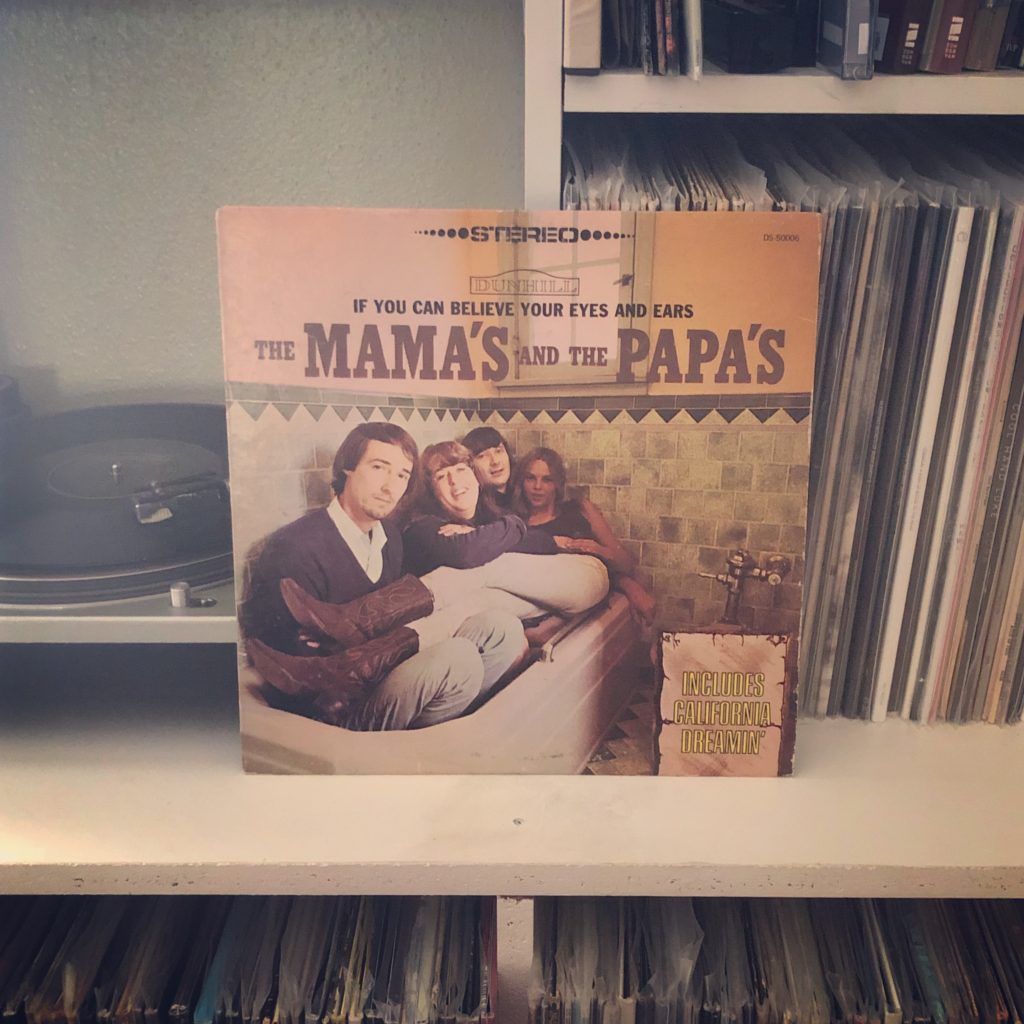 I wasn’t alive in the 1960s, so my understanding of the decade has been distilled through decades of media digest. But this record is about as close to the quintessential ’60s sound that I can imagine.
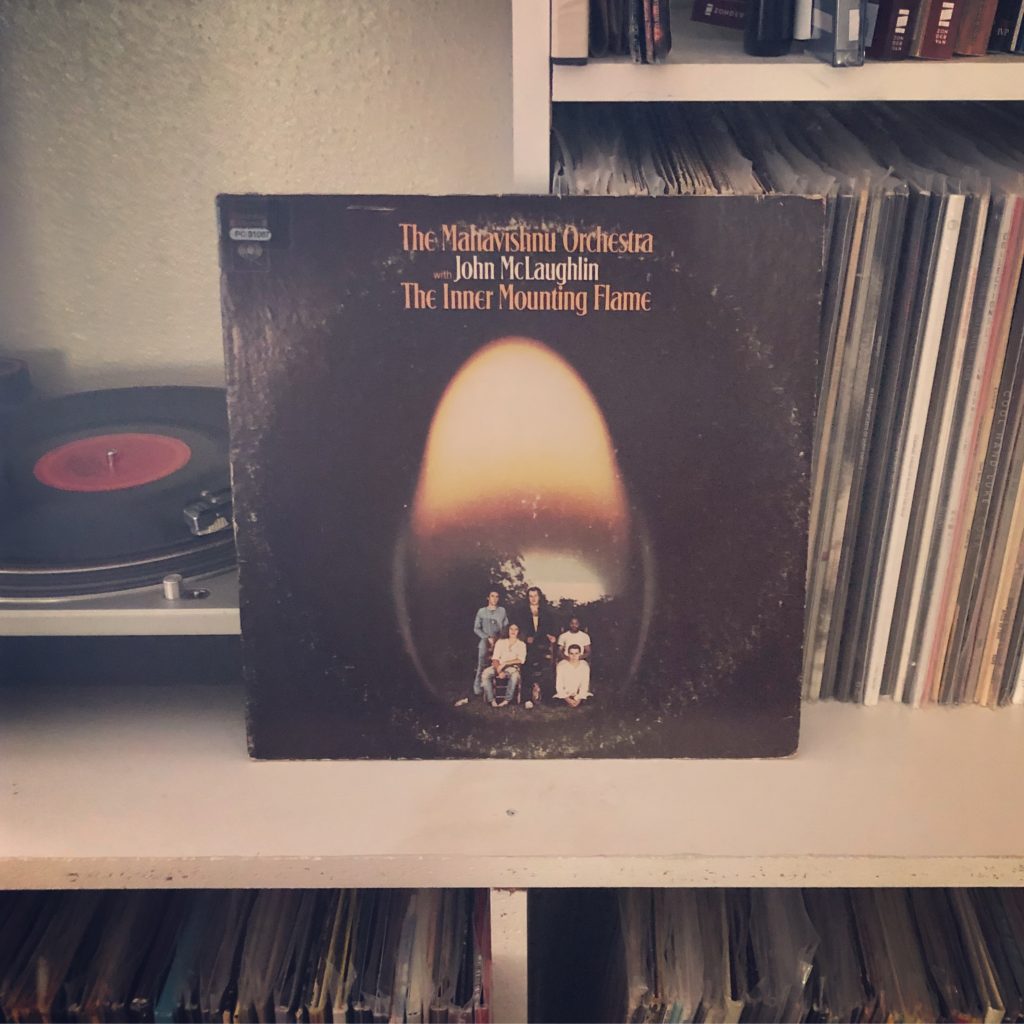 Throughout jazz history, there is perhaps no greater convergence of fiery experimentation and boundless talent than the players that made up Miles Davis’ band during his electric period.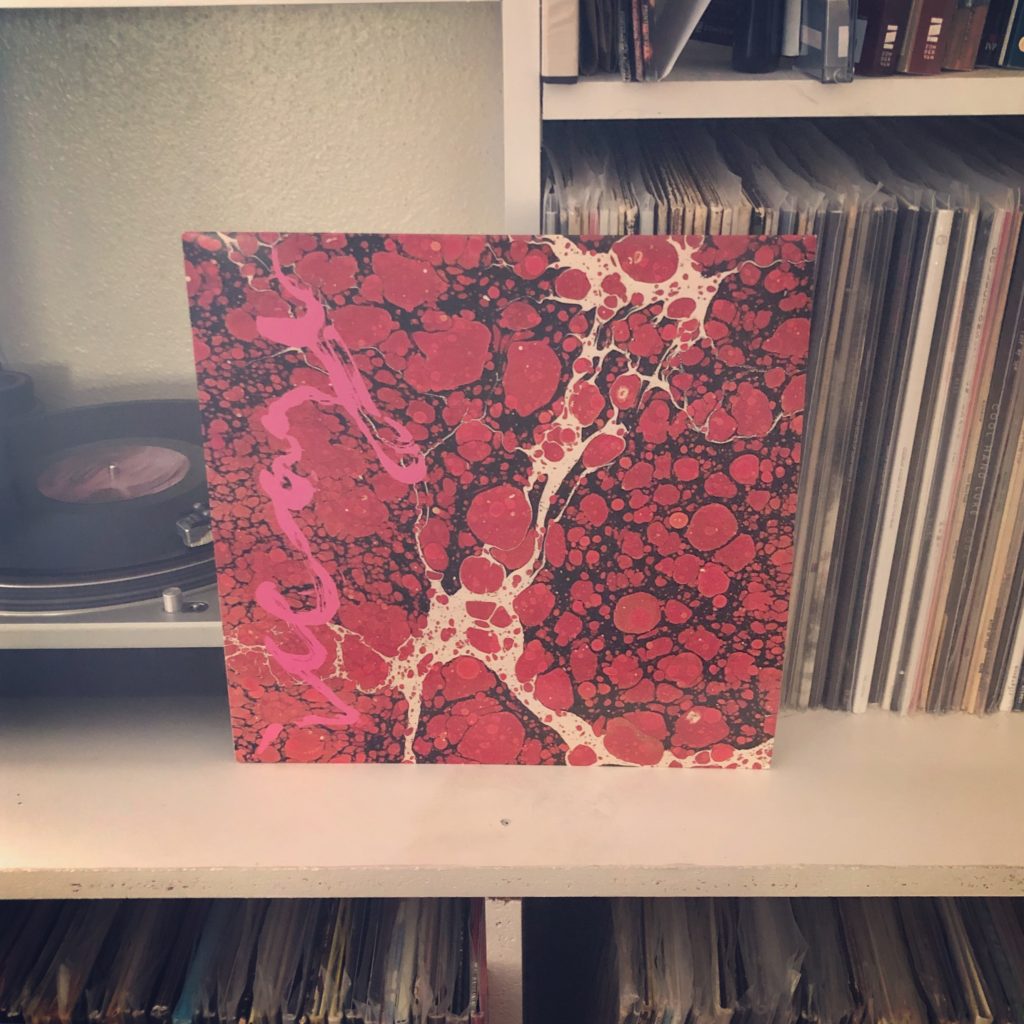
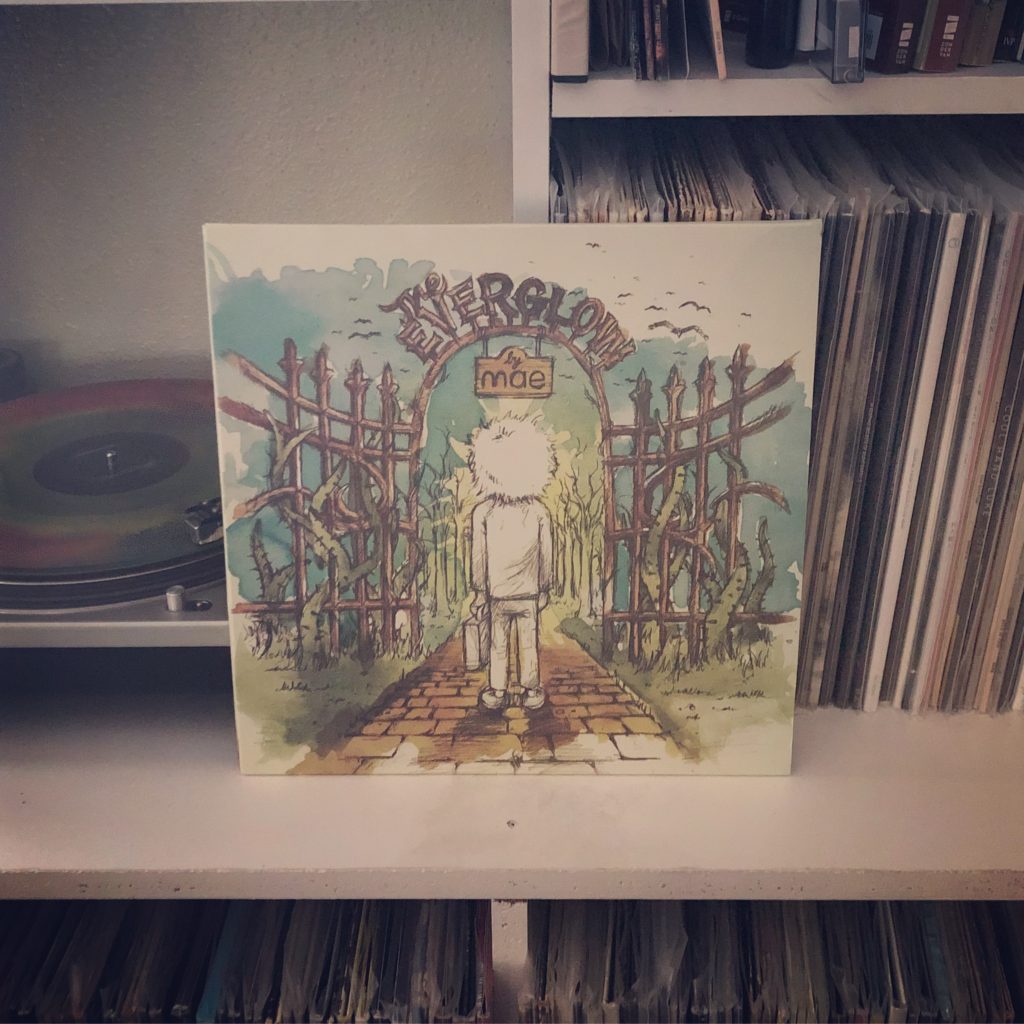
 After spending most of my life vacillating between punk ethos and hipster snobbery, I’ve been trying to be a better poptimist. I’ve been trying to let go of my musical superiority complex and allow myself to enjoy vapid pop music.