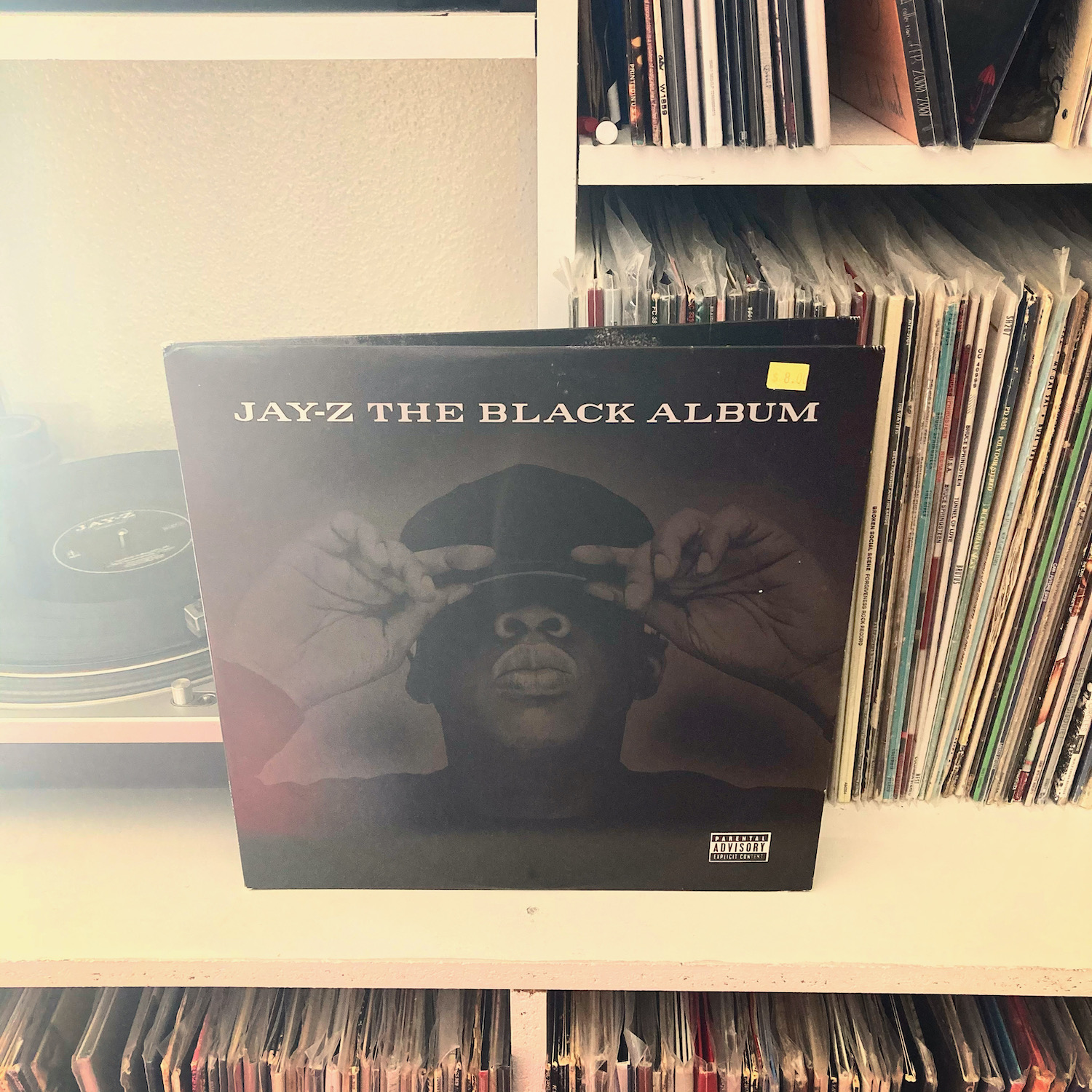
 As a white Christian kid growing up in the suburbs, I was raised without much appreciation for mainstream hip hop. Sure, I would karaoke “Rapper’s Delight” as a joke and would stan some other old-school hip hop, but by and large, any time someone like Jay-Z came on MTV, I would flip the channel, turned off by the prevalence of profanity and barely-dressed backup dancers.
In the years that followed the release of The Black Album, though, it was impossible to avoid the plethora of mashups that flooded the internet. I was drawn in by the novelty of mixing these tracks with The Beatles, Weezer, or Radiohead—I even tried my hand at a Fugazi mashup.
But something happened that I didn’t expect: after putting these mashups on heavy rotation, I actually fell in love with the album in its original form, like some sort of musical Trojan Horse. Even my white-washed, purity culture background couldn’t ignore the fact that this was one of the most important and impressive hip hop albums of all time.
 Country music gets a bad rap. Admittedly, much of the vitriol is deserved, especially in the sanitized, cookie-cutter blandification of the Nashville-churned pop country that has come to dominate the genre.
 Last summer, in the midst of global pandemic, some friends and I started a remote band called
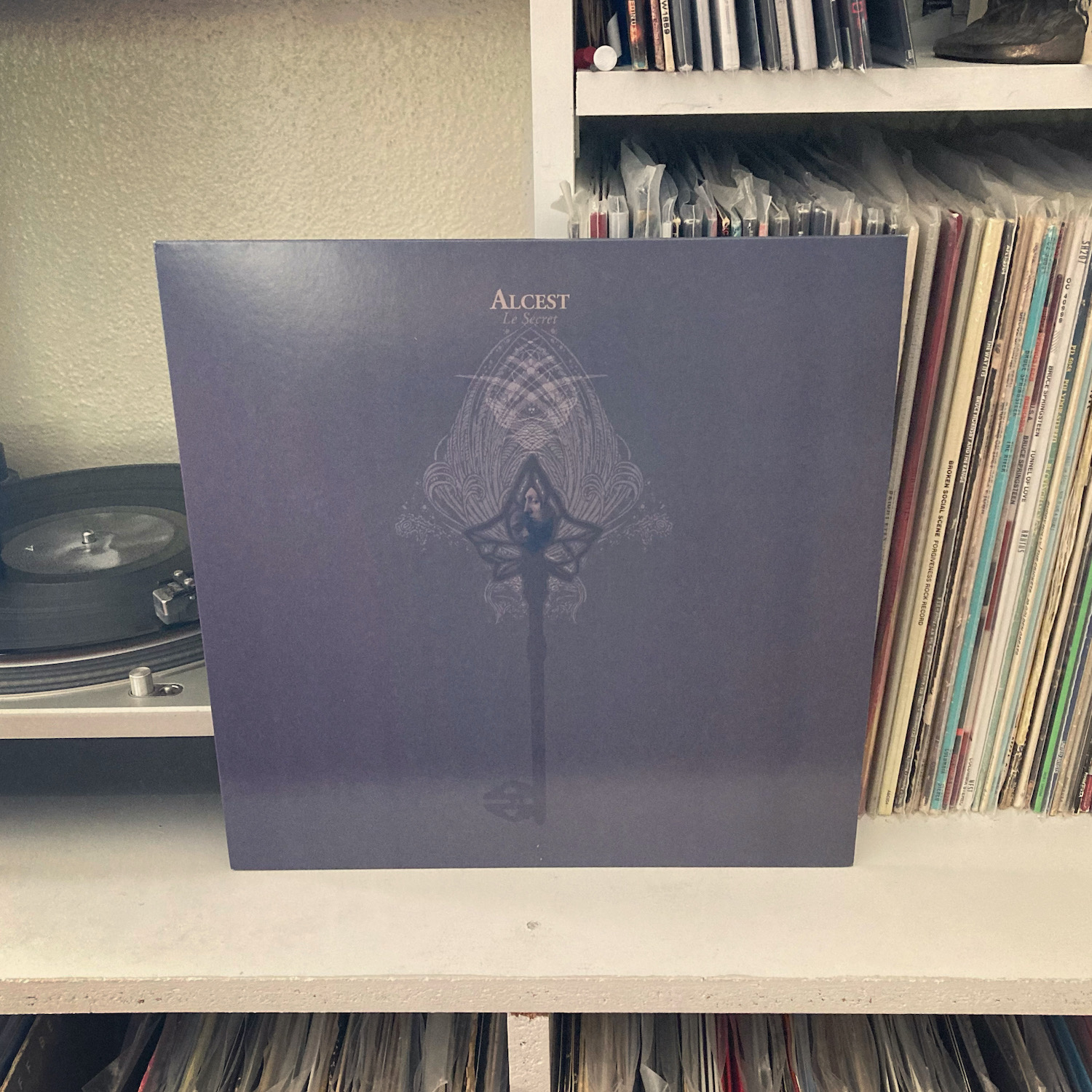 Even legends have to start somewhere. Through years of bouncing around the European black metal scene, Neige was dissatisfied with the ability of the kvlt to properly express what he had to say. Between other projects, he spent his time crafting otherworldly overtures that transcended the narrow confines of traditional black metal. In 2005, he released a